In the world of metal finishing, a flawless surface is the ultimate goal. You’ve likely perfected your chemistry and dialed in your voltage, but your electrocoating line still produces parts with tiny bumps or “seeds.” It’s frustrating. Often, the difference between a premium finish and a high scrap rate isn’t the paint itself—it’s the cleanliness of the bath.
Contaminants are the silent enemies of your production line. Tiny metal shavings, shop dust, and stray oils constantly try to invade your tank. Without a plan, these microscopic intruders turn into visible defects. That is why precision filtration is the “unsung hero” of any successful electrocoating equipment setup.
Why Precision Filtration is Critical for E-coat Quality
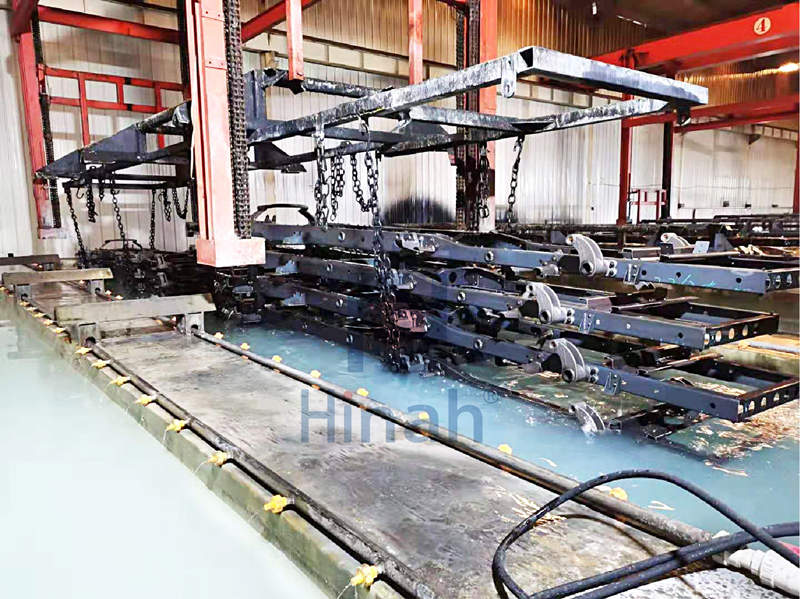
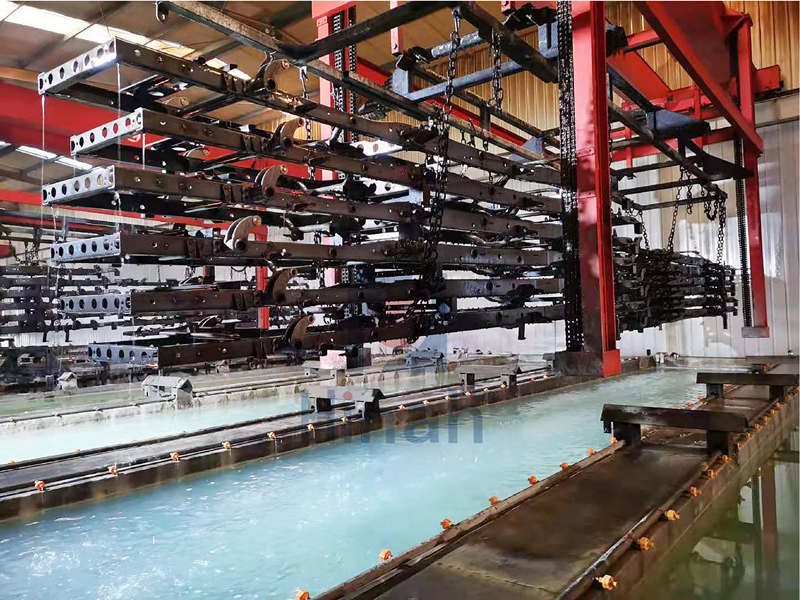
Quality is the heartbeat of your coating line. When you invest in electrocoating, you expect a finish that lasts for years. However, even the most expensive paint fails if the bath stays dirty. Precision filtration acts as your first line of defense, ensuring that only pure paint reaches your product.
Eliminating Surface Defects
Nothing ruins a production run faster than “seeds” or “nibs.” These tiny bumps appear when microscopic particles settle on the part during the electrocoating process. By using high-efficiency filters, you catch these contaminants before they ever touch your metal. This keeps your surfaces smooth and reduces the need for costly manual sanding or rework.
Maintaining Bath Chemistry Balance
An E-coat tank is a delicate chemical ecosystem. Unwanted ions and outside particles can destabilize the paint emulsion over time. Proper filtration removes these intruders, keeping your chemistry stable for much longer. When your bath stays healthy, you avoid the nightmare of “tank dumps” and save thousands in replacement chemicals.
Ensuring Conductivity and Film Uniformity
Consistency is key to a professional finish. A clean bath maintains a steady electrical resistance. This allows the electrocoating equipment to apply a perfectly even layer across every inch of the part. Whether you are coating a simple bracket or a complex automotive frame, precision filtration ensures the paint thickness stays exactly within your specifications.
Key Components of an Effective Electrocoating Filtration System
A high-performance electrocoating line relies on a multi-stage defense. You cannot expect a single filter to do all the work. Instead, you need a system of specialized components that target different types of debris.
Primary Particle Removal: Bag vs. Cartridge Filters
Your primary filters act as the workhorses of the system. Most operators choose bag filters for high-volume production because they handle heavy dirt loads efficiently. They are easy to swap and cost-effective. However, if your finish requires extreme precision, cartridge filters offer a tighter weave. These catch the microscopic particles that standard bags might miss, ensuring a “mirror-like” result on the final part.
Magnetic Separators: Catching Metal Fines
In many shops, metal shavings and “fines” from the welding or stamping stage find their way into the tank. These metallic particles are especially dangerous because they react to the electrical charge. A magnetic separator pulls these ferrous intruders out of the liquid stream before they reach the main electrocoating tank. This simple addition prevents “pitting” and protects your pumps from abrasive wear.
Ultrafiltration (UF) System: The Heart of Recovery
The Ultrafiltration system is perhaps the most critical piece of electrocoating equipment. Think of it as a microscopic sieve. It separates the paint solids from the water and dissolved salts. This process creates “permeate”—clean water you can reuse to rinse your parts. By recycling the paint that drips off the parts back into the main tank, a UF unit pays for itself by slashing your material waste to nearly zero.
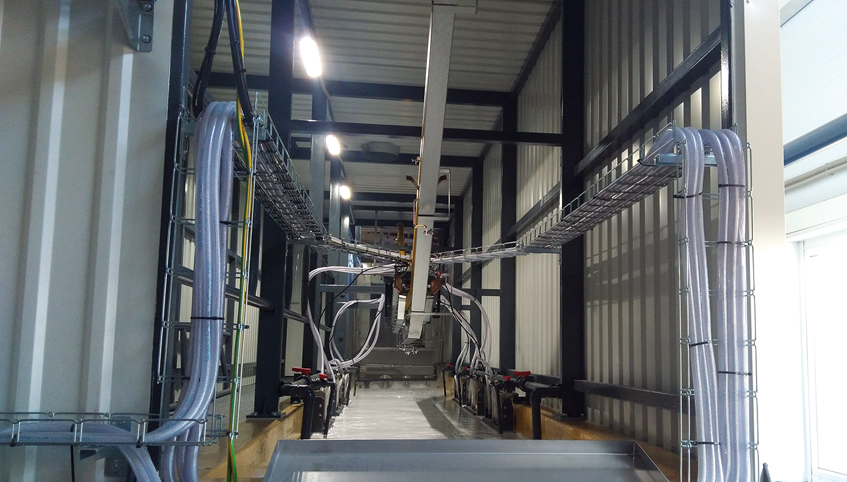
III. Solving the “Pinhole” Problem: Advanced Filtration Techniques
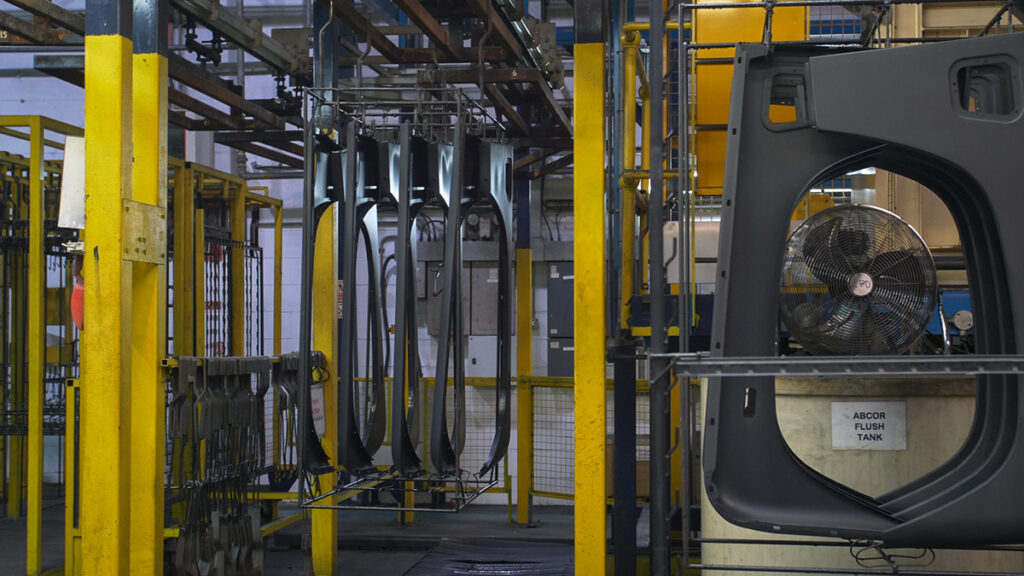
Standard filtration handles the big stuff, but advanced techniques stop the “invisible” defects that cause parts to fail inspection. If you struggle with tiny holes or craters in your finish, the solution usually lies in your filtration strategy.
Sub-micron Filtration for a Mirror Finish
For high-end products like home appliances or automotive bodies, even a speck of dust the size of a bacteria cell is too much. Sub-micron filters go beyond the basics. They capture the finest silt that ordinary bags miss. By integrating these into your electrocoating equipment, you achieve a surface so smooth it looks like glass.
Oil Removal and Coalescence
Oil is the enemy of adhesion. If a single drop of lubricating oil from a conveyor or a previous process enters the tank, it creates “fish-eyes”—unsightly circular craters where the paint won’t stick. We use oil skimmers and coalescing filters to solve this. These tools constantly “prey” on floating oils, pulling them out of the bath before they can contaminate your workpieces and ruin your electrocoating bond.
Anolyte Filtration: The pH Balance Secret
The anolyte system controls the acidity of your paint bath. If the anolyte becomes cloudy or contaminated, your pH levels will swing wildly, leading to “pinholes” or gas bubbles trapped in the paint film. Specialized anolyte filtration keeps this liquid crystal clear. It ensures a stable electrical environment so the paint deposits smoothly without trapping gas, eliminating the pinhole problem at the source.
Conclusion
Precision filtration is more than just a maintenance task; it is an investment in your brand’s reputation. In the world of electrocoating, the cleanliness of your bath dictates the quality of your product. By removing microscopic contaminants and stabilizing your chemistry, a high-performance filtration system turns a good production line into a great one. When you eliminate defects like pinholes and seeds, you do more than just save on paint—you save time, reduce labor, and ensure that every part leaves your facility with a world-class finish. If you want to stay competitive, remember that the best electrocoating equipment is only as effective as the filtration system that supports it.