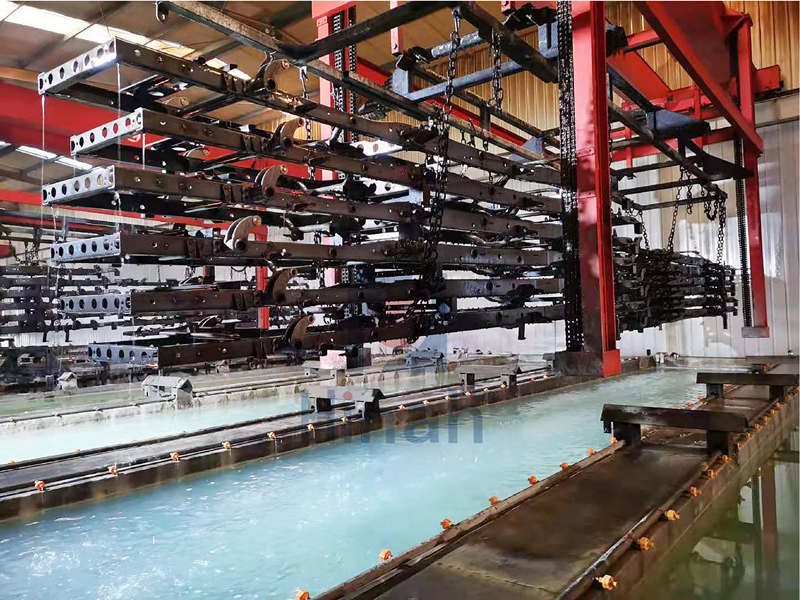
You just finished a production run, but the results are a disaster. The coating is lifting off the metal like old tape, or worse, it’s covered in those tiny, pin-sized bubbles that ruin the entire batch. It’s frustrating because a failing e-coat line doesn’t just waste paint; it eats your profit and kills your schedule.
Most of the time, these flaws aren’t mysteries. They are loud signals that your process has drifted. You might have a dirty rinse tank or a voltage setting that’s way too high. To stop the bleeding, you need to pinpoint exactly where the chemistry or the equipment failed. Let’s get straight to the reasons why your finish is falling apart.
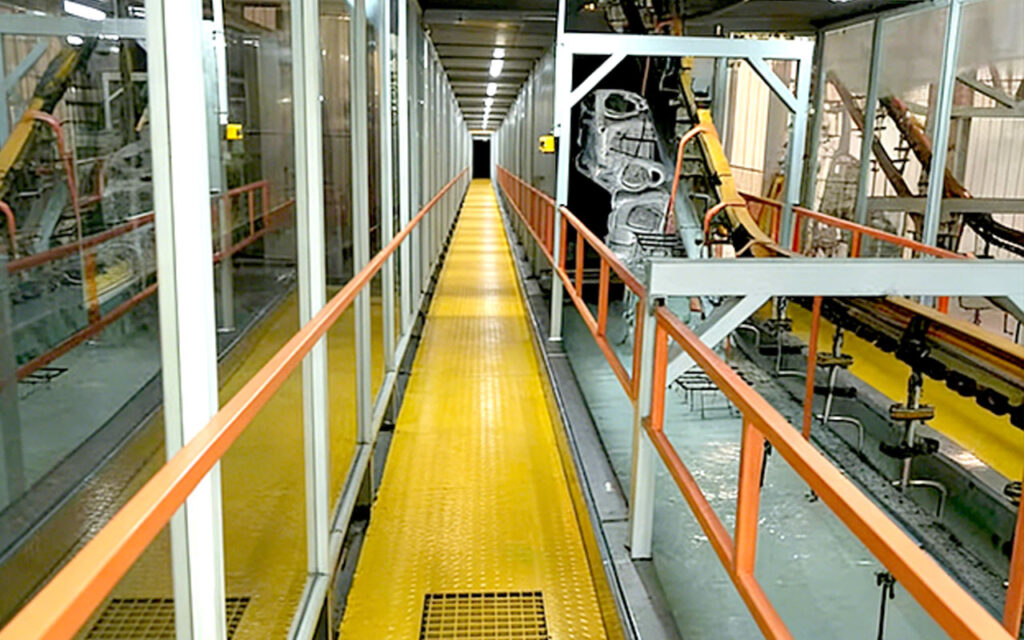
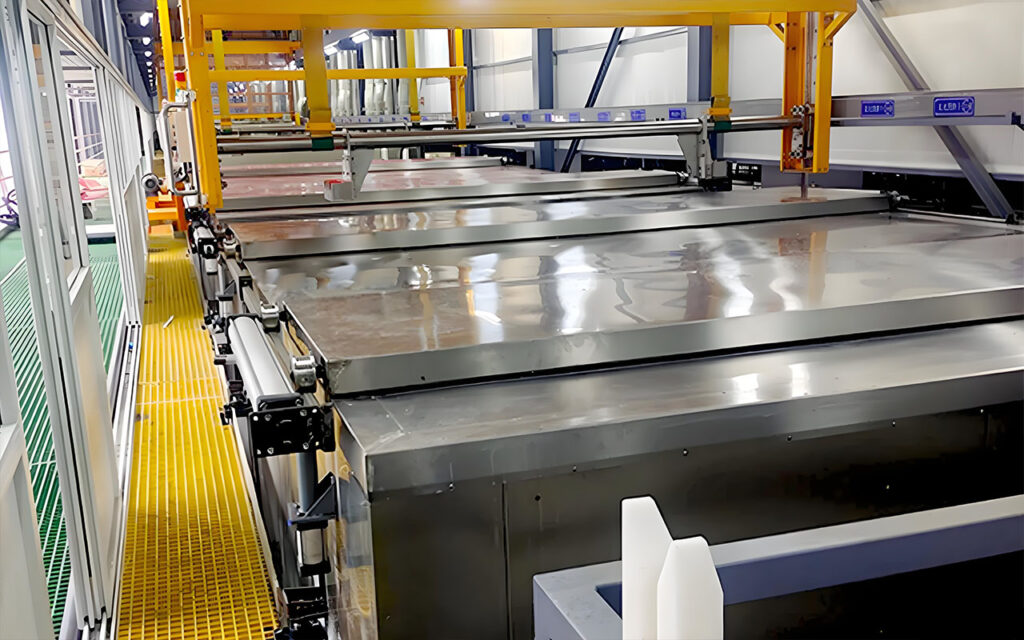
What Cause the Adhesion Loss (Peeling) in E-coat Line?
When the finish on your parts starts peeling, you are looking at a total bond failure. In a healthy e-coat line, the paint and the metal should basically become one. If you can flake the coating off with your fingernail or a piece of tape, the foundation of your process is broken. Most people blame the paint quality first, but the real culprit usually hides in the stages before the parts even hit the tank.
The Invisible Enemy: Poor Pretreatment
Everything starts with how clean the metal is. If your degreasing stage leaves behind even a microscopic film of oil or shop floor grease, the electrocoat simply cannot grab onto the surface. Think of it like trying to paint over a buttered plate; it just won’t stick. Many operators try to speed up the line, but cutting time in the pretreatment zone is a recipe for peeling. You must ensure your alkaline cleaners are at the right concentration and temperature. If the phosphate layer is patchy or too thin, it won’t provide the “teeth” the paint needs for long-term adhesion.
Bath Chemistry and the pH Balance
The chemistry inside your e-coat line tank is a delicate ecosystem. If the pH level drifts too far from the manufacturer’s spec, the paint particles won’t deposit correctly. When the bath becomes too acidic or too basic, the chemical reaction that binds the paint to the metal weakens. We often see this happen when plants neglect their daily bath analysis. If you aren’t tracking your conductivity and pH every single shift, you are essentially flying blind. A sudden spike in conductivity often means your bath is contaminated with ions from previous stages,which disrupts the electrical bond and leads to massive peeling issues later in the oven.
Rinsing Failures and Contamination
Rinsing is often the most underrated part of the process. If your rinse water is dirty, you are just moving trash from one tank to the next. Residual salts or chemicals left on the part act as a barrier. Even worse, if you use hard water instead of high-quality DI water for the final rinse, you leave mineral deposits on the surface. These minerals stay trapped under the paint. Once the part hits the curing oven, these contaminants react and push the paint away from the metal, causing the finish to lift. To keep your e-coat line reliable, you must monitor your rinse water overflow rates and keep your DI water conductivity below 10 or 20 microsiemens.
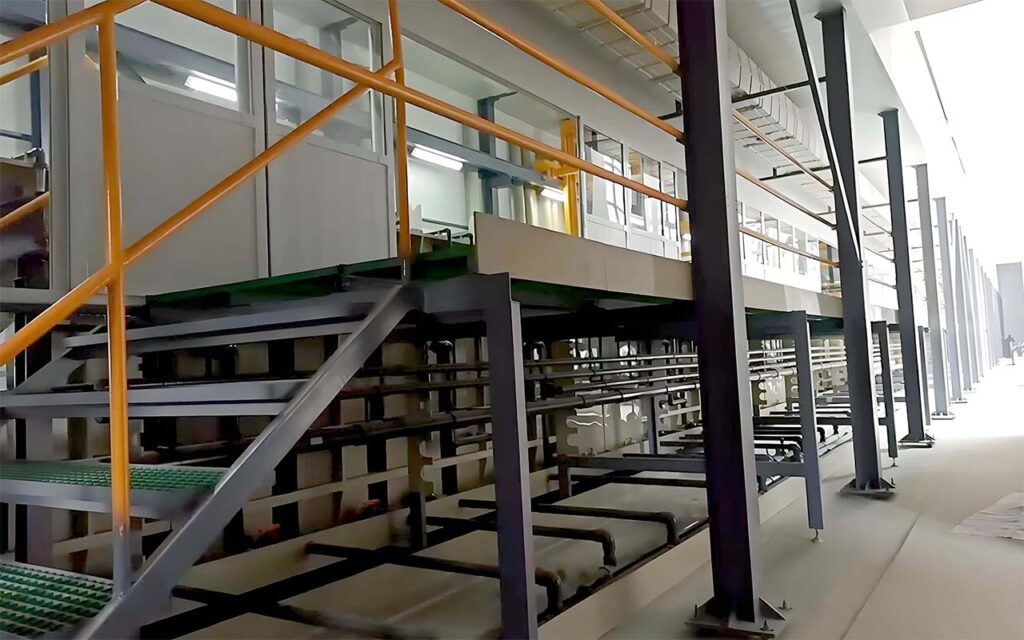
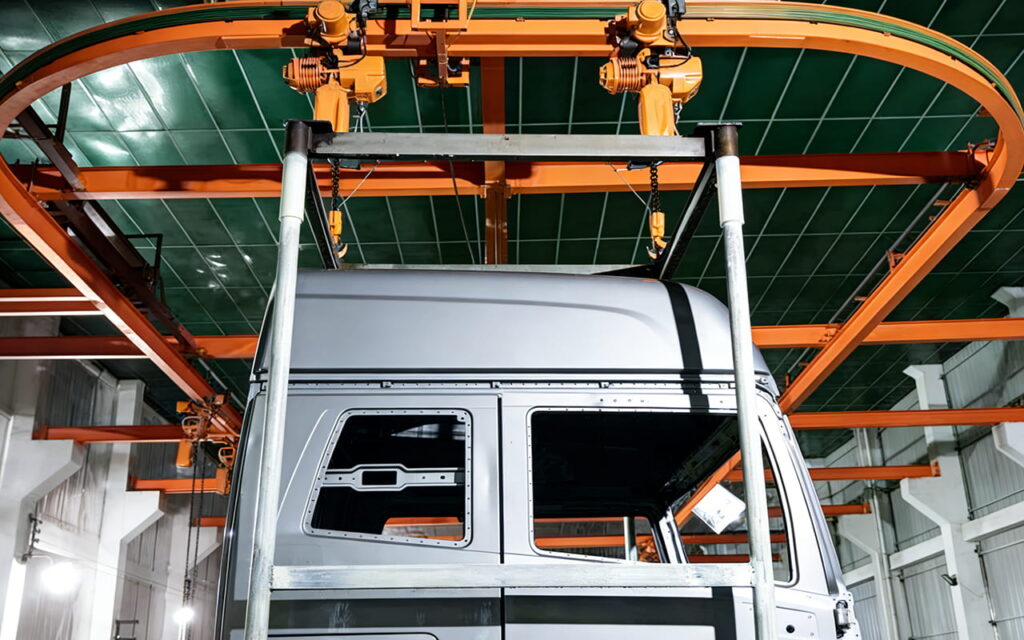
Why Bubbles and Pinholes Appear in Electrocoating Line?
Bubbles and pinholes are different from peeling because they usually point to an issue with how the electricity or the heat is interacting with the paint. While peeling is about “sticking,”bubbling is about “trapped gas.” If your parts look like they have a rash or a rough, sandy texture, you have a gas release problem that you need to kill at the source.
The Danger of Excessive Voltage
Electricity is the engine of your e-coat line, but too much of it will literally boil the paint. Every coating material has a “rupture voltage.” If you push the voltage past this limit to try and get a thicker coating faster, you cause an electrical breakdown. This breakdown creates tiny sparks and gas bubbles at the metal surface. These bubbles get trapped as the paint film hardens,leaving you with a surface full of pinholes. It is tempting to crank up the power to hit production targets, but you must stay within the safe operating window. If you see consistent bubbling,your first move should be to check your rectifier settings and lower the voltage by 10% to 15%to see if the finish clears up.
Bath Temperature and Film Formation
Temperature controls how the paint flows. If the bath in your e-coat line gets too warm, the paint becomes too “active” and deposits too quickly. This rapid buildup often traps air or water underneath the film. On the flip side, if the bath is too cold, the paint won’t flow out smoothly,leading to a textured, orange-peel effect that can look like tiny bubbles. You need a robust cooling system and heat exchanger to keep that bath temperature stable within a narrow range, usually around 28° C to 32° C. Even a 2-degree swing can be the difference between a mirror finish and a rejected batch.
Curing Oven Performance and Curing Crises
The curing oven is where the final transformation happens, but it is also where many bubbling issues become permanent. If the oven is too hot right at the entrance, the “skin” of the paint dries too fast. This traps any remaining water or solvent inside the coating. As the part continues to heat up, those trapped liquids turn into gas and try to escape, blowing bubbles through the dry skin. This is why a proper temperature ramp-up is vital. You also need to check for “hot spots” in your oven. If one burner is firing harder than the others, the parts passing that section will bubble every time. Regular oven data logging is the only way to ensure your e-coat line is curing parts evenly from top to bottom.