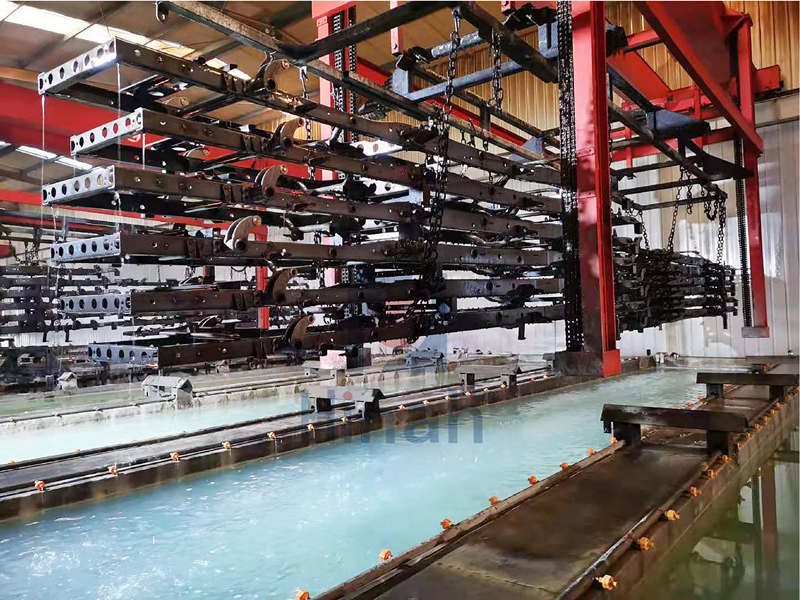
Choosing between electroplating and electrophoretic coating can be a tough call. Both methods use electrical currents to apply a protective layer to metal parts, but they serve very different purposes.
Electroplating relies on moving metal ions like zinc or chrome to create a hard, shiny surface. On the other hand, electrophoretic coating—often called E-coating—uses the same electrical principles to deposit organic resins or paints. While one focuses on a metallic finish, the other excels at providing deep corrosion resistance and uniform coverage.
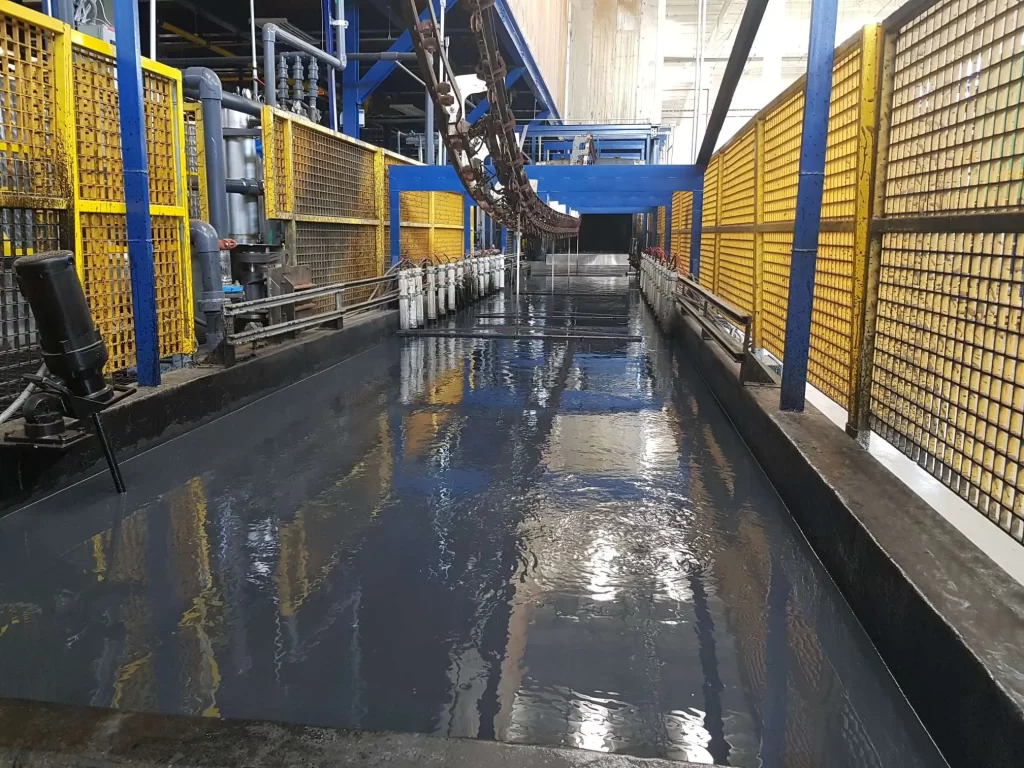
Fundamental Differences: Electroplating vs. E-Coating
At their core, these two processes use electricity in different ways to achieve different results. The biggest shift lies in the material you are putting onto the metal substrate.
In electroplating, you are essentially “plating” one metal onto another. The process moves metal ions—like nickel, chrome, or zinc—through a liquid bath. These ions attach to the part and form a solid, metallic skin. It is the go-to choice if you want a bright, decorative shine or a very hard surface.
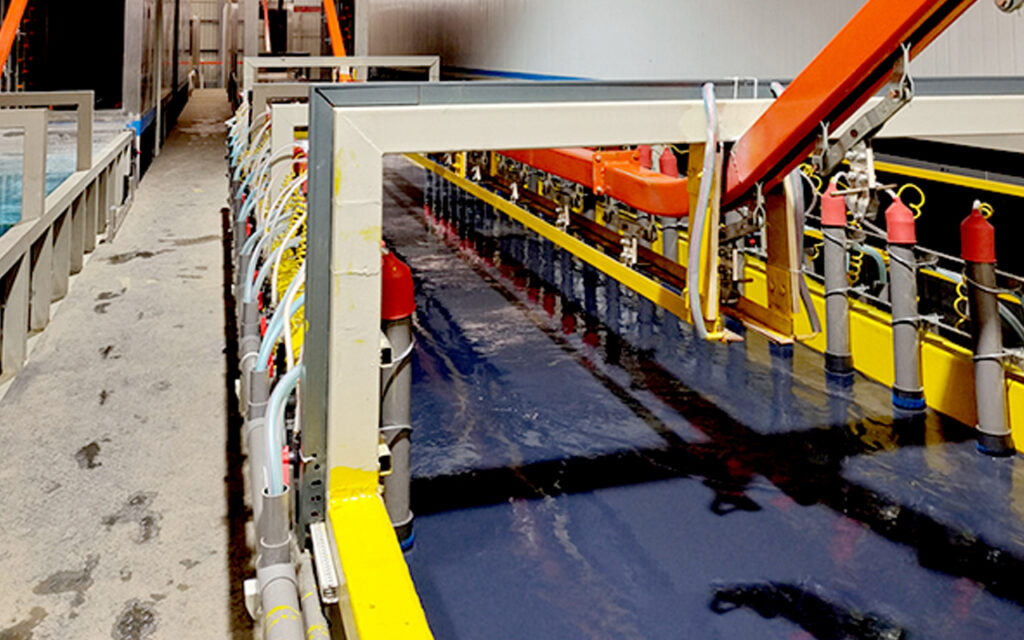
Electrophoretic coating, however, works more like high-tech painting. Instead of metal, the bath contains organic resins and pigments. When you turn on the power, these paint particles migrate to the metal surface. This creates a durable, protective film that seals the entire part.
The table below highlights the quick facts:
| Feature | Electroplating | Electrophoretic Coating |
| Primary Material | Solid Metals (Zinc, Chrome, Gold) | Organic Resins / Water-based Paint |
| Main Purpose | Aesthetics and Surface Hardness | Corrosion Protection and Priming |
| Finish Look | Shiny, Metallic, or Reflective | Matte, Semi-gloss, or Uniform Color |
| Typical Use | Jewelry, Car Trim, Faucets | Car Frames, Appliances, Industrial Parts |
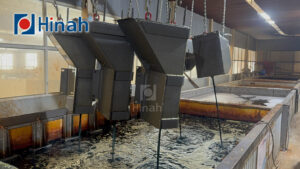
While both methods require a dip tank and a power source, the final product feels very different. Electroplating gives you a cold, metallic touch, while electrophoretic coating provides a smooth, protective “jacket” for the metal.
Mechanism Comparison: Metal Ion Deposition vs. Electrophoretic Coating
To understand how these systems work, you have to look at what happens inside the tank. Even though both use electricity, the “ingredients” they move are completely different.
In the electroplating process, you use a metal anode (like a block of zinc) and a liquid electrolyte. When the power goes on, the metal anode dissolves into tiny ions. These ions swim through the liquid and stick to your metal part. It is a bit like adding a thin, solid layer of new metal to the original piece.
Electrophoretic coating follows a different path. Instead of dissolving metal blocks, you fill the tank with a mix of water and paint resins. When you apply a charge, these paint particles move toward the part and stick to it. This process creates a chemical bond that is very hard to break. Because the paint is water-based, it flows into every corner of the part much easier than heavy metal ions.
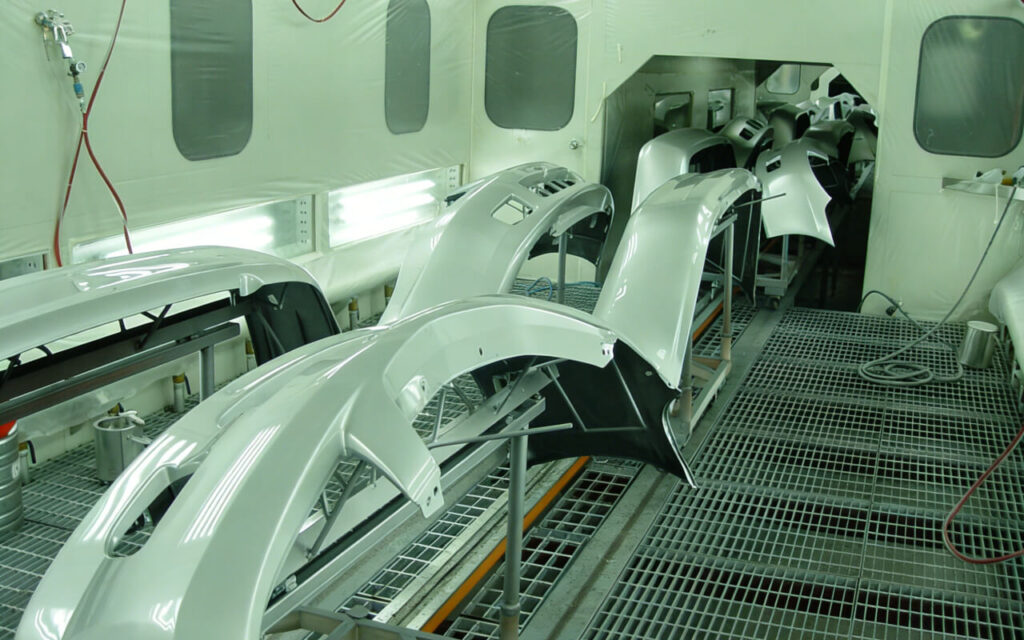
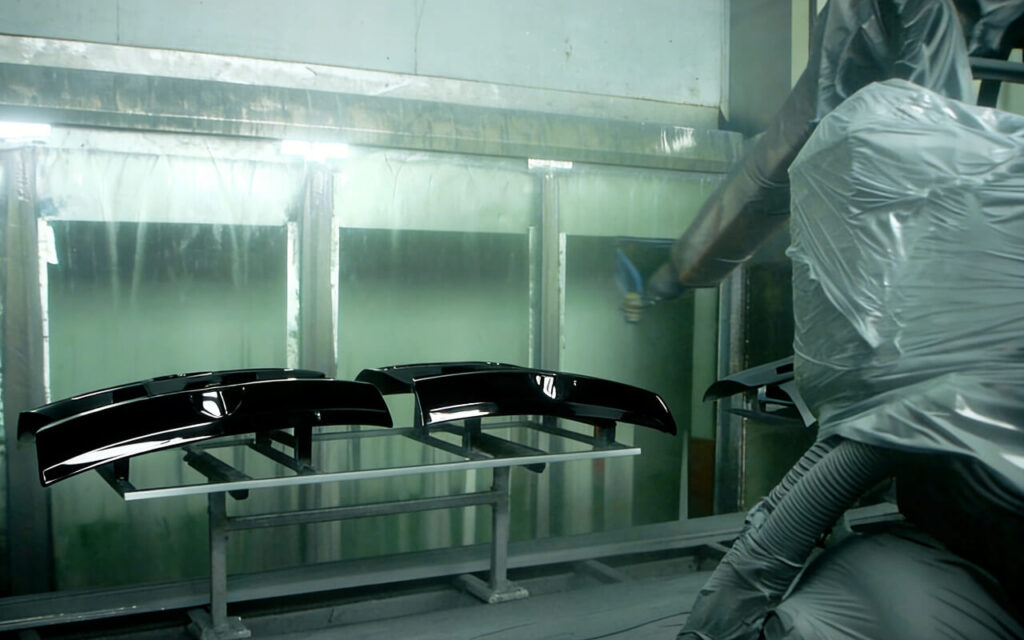
Coverage Analysis: Plating Limits vs. Electrophoretic Coating “Throwing Power”
One of the biggest challenges in surface finishing is reaching every corner of a complex part. This is where the two methods really grow apart.
Electroplating often struggles with “dead zones.” The metal ions follow the path of least resistance. This means they crowd onto the outer edges and points of the part, but they often ignore deep holes, sharp interior corners, or hidden channels. If your part has a complex shape, electroplating might leave some areas bare or very thin.
Electrophoretic coating solves this problem with something called “throwing power.” As the paint particles cover the metal, the coated area becomes an insulator. This forces the remaining paint particles to find the uncoated areas, like deep holes or inside tubes. Eventually, the electrophoretic coating covers the entire part with a perfectly even thickness. No matter how complex the geometry is, the paint finds its way in.
Performance Standards: Metallic Hardness vs. Electrophoretic Coating Corrosion Resistance
The right choice usually depends on how the part will be used and what kind of environment it must face.
Electroplating is the winner for surface hardness and style. If you need a part to look like silver, resist heavy scratching, or conduct electricity, plating is the best bet. It creates a dense, hard surface that can handle mechanical wear very well.
However, if your goal is long-term protection against rust, electrophoretic coating is much stronger. Because it creates a continuous, organic seal, it acts like a shield against moisture and salt. Manufacturers often use electrophoretic coating as a primer for car frames and heavy machinery. Even if the top layer of paint gets scratched, the e-coat underneath keeps the metal from rusting. In salt spray tests, parts with electrophoretic coating usually last much longer than standard zinc plating.