Industrial manufacturing is entering a new era. Today, a successful electrophoretic coating shop must do more than just produce durable products. It must also protect our planet. Every factory manager shares a common goal: we need to lower our carbon footprint and transition to cleaner production.
The curing stage is the most energy-intensive part of the e-coating process. It burns the most fuel and generates the most emissions. Therefore, optimizing this oven is our best opportunity to drive real environmental change. We can create an eco-friendly electrophoretic coating baking process without losing surface quality. Let us look at how modern engineering turns traditional high-emission ovens into green, sustainable systems.
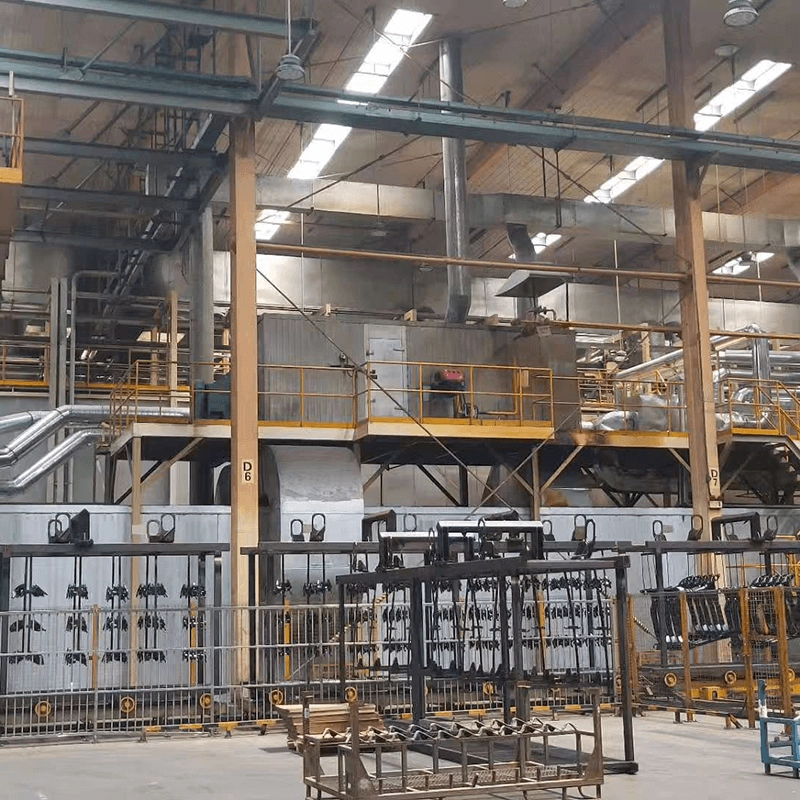
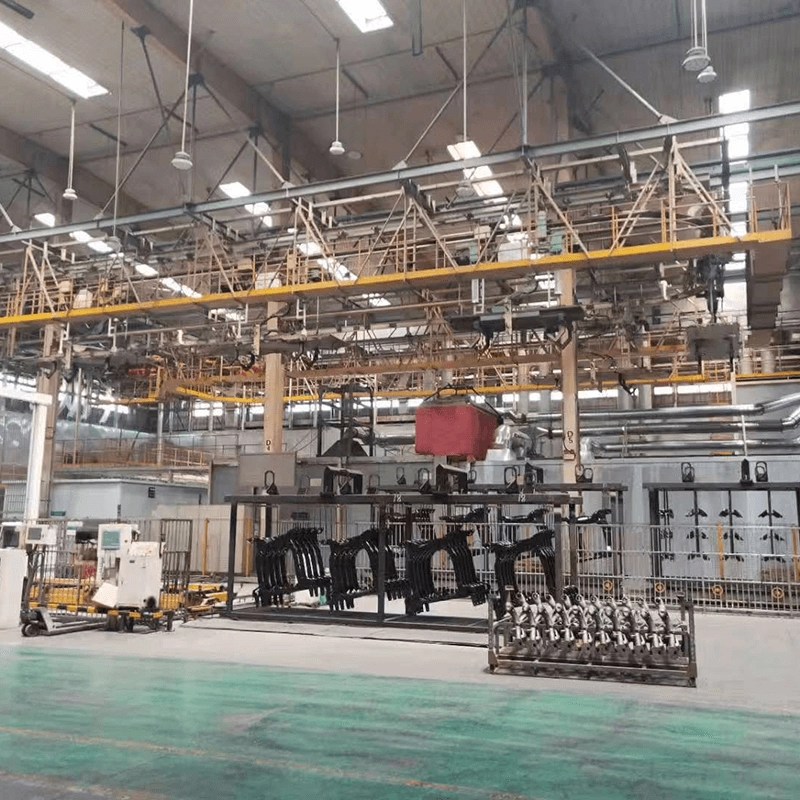
Identifying the Heat Thieves in Traditional Curing Ovens
We cannot build a green factory without finding the waste first. Traditional ovens consume massive amounts of energy, and much of that heat never reaches the products. To design a truly sustainable electrophoretic coating line, we must identify exactly where the energy escapes into the atmosphere.
The biggest heat thief is the exhaust stack. Ovens must vent air continuously to keep the environment safe and clean. However, this exhaust carries away valuable thermal energy. When hot air leaves the building, the burners must work twice as hard to maintain the baking temperature. This constant fuel burning directly increases your plant’s carbon output.
Heavy insulation loss is another major environmental issue. Poorly insulated oven walls allow heat to radiate into the shop floor. This waste forces your factory to use extra air conditioning just to cool the work area. Finally, wide entry and exit openings create a chimney effect. Hot air spills out of the tunnel constantly, while cold shop air rushes inside.
Every drop of wasted heat means more burned gas and more greenhouse gases. By pinpointing these weak spots, we can upgrade the electrophoretic coating oven into a low-emission system.
Upgrading Electrophoretic Coating Ovens with Waste Heat Recovery
Once we find the leaks, we can introduce smart engineering to recycle the heat. Waste heat recovery is the most effective way to lower emissions in an electrophoretic coating line. Instead of throwing energy away, we capture it and feed it back into the production cycle.
First, we integrate a four-element system with a Regenerative Thermal Oxidizer (RTO). The oven must exhaust air to clear out trace organic byproducts during the bake cycle. The RTO takes this exhaust and burns those compounds at very high temperatures. This process destroys pollutants completely. At the same time, the burning process generates massive amounts of clean, usable heat. We direct this free energy straight back into the oven zones, which slashes the need for fresh fuel.
Second, we install air-to-air heat exchangers in the exhaust stacks. High-temperature exhaust passes through a series of metal plates before it leaves the factory. Meanwhile, fresh intake air passes along the opposite side of those plates. The outgoing waste heat warms up the incoming cold air automatically.
Because the fresh air enters the system already hot, the main burners do not need to work as hard. This simple hardware upgrade significantly cuts fuel consumption. By recycling our own energy, we transform the electrophoretic coating oven into a highly efficient, closed-loop thermal system.
Smart Insulation and Air Curtain Engineering
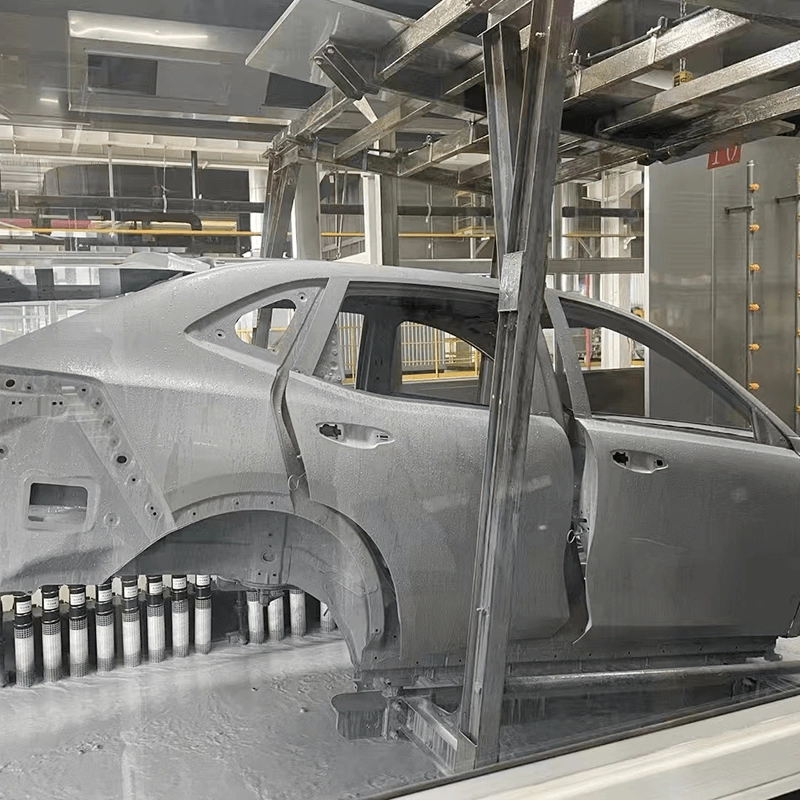
Recycling heat is only half the battle. We must also trap the existing heat inside the system. High-quality insulation and precision air seals are essential tools for a green factory. They ensure that every kilowatt of energy stays inside the electrophoretic coating tunnel to cure the products.
First, we eliminate thermal bridges by using high-density rockwool panels. Traditional oven walls often have internal metal supports that touch both the inside and outside shells. These supports act like highways for heat, allowing energy to escape directly into the factory. Our modern design isolates these joints completely. Thick, high-density insulation wraps the entire structure. This barrier keeps the outer skin cool and reduces continuous burner firing.
Second, we focus on the entrance and exit silhouettes. Open tunnels naturally lose hot air because light, warm air rises and escapes. We solve this environmental issue by installing high-velocity precision air curtains at both ends. These devices blast a controlled sheet of air across the openings.
The air curtain acts like an invisible door. It seals the heat inside and prevents cold shop air from entering the system. This engineering choice maintains a steady internal temperature and prevents energy spikes. By trapping the heat so effectively, we minimize the carbon footprint of the electrophoretic coating process and achieve true clean production.