When a metal product is used near the coast, corrosion often appears much sooner than expected.
A component that performs well inland may start showing signs of rust after prolonged exposure to salt-laden air and high humidity. This is why corrosion protection has become a key consideration in industries such as automotive, construction equipment, electrical enclosures, and agricultural machinery.
In regions like Oman, Saudi Arabia, and the UAE, coastal conditions place even greater demands on coating performance. As a result, more project owners and engineering teams are evaluating whether an electrophoretic coating line can provide a longer-lasting solution.
So, can electrophoretic coating technology really help reduce corrosion issues in coastal environments?
Why Coastal Areas Accelerate Corrosion?
Corrosion develops when metal reacts with oxygen and moisture. In coastal areas, salt particles make this process much faster.
Sea salt settles on exposed surfaces and attracts moisture from the air. Even when there is no visible water, a thin layer of moisture can remain on the metal surface. This creates an environment where corrosion can start and spread more easily.
High temperatures can make the situation even worse. In many Gulf countries, equipment and components face constant exposure to heat, humidity, and salt. Over time, these conditions can weaken conventional paint systems and lead to premature coating failure.
This is why products intended for coastal use often require a higher level of surface protection from the very beginning.
How an Electrophoretic Coating Line Works?
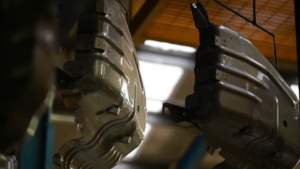
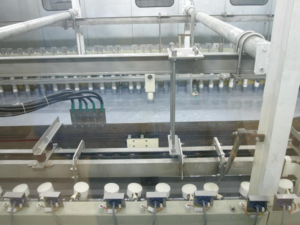
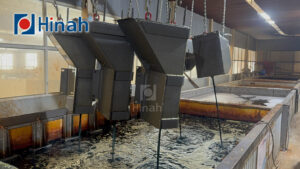
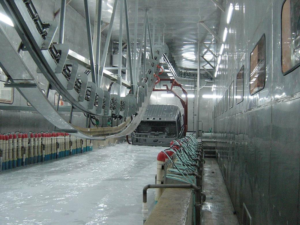
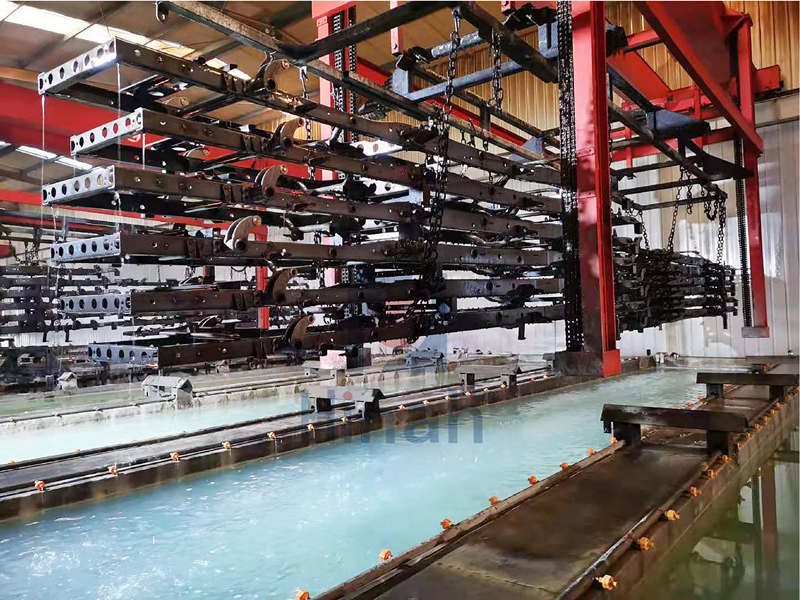
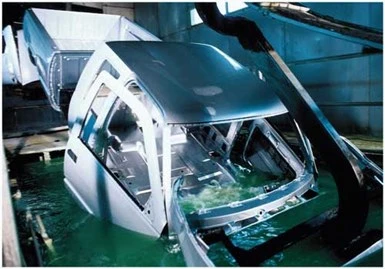
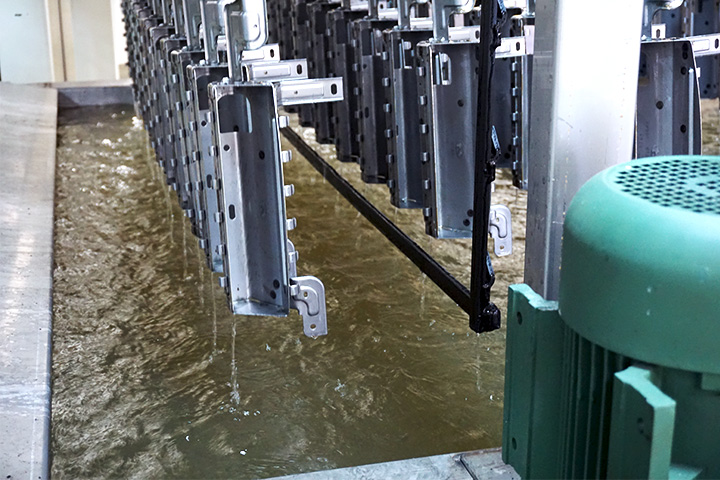
An electrophoretic coating line applies paint through an electrochemical process. Metal parts are immersed in a coating bath, and an electric current causes paint particles to deposit evenly across the entire surface.
Unlike conventional spraying methods, electrophoretic coating does not depend on direct spray access. The coating can reach recessed areas, internal cavities, edges, and complex geometries that are often difficult to protect with traditional techniques.
After deposition, the coated parts pass through a curing oven where the coating forms a durable and tightly bonded film.
The result is a smooth, uniform coating layer that provides excellent coverage and long-term protection.
Why Electrophoretic Coating Performs Better in Coastal Environments?
One of the main reasons corrosion begins is uneven coating coverage. Small gaps, thin areas, or coating defects can become entry points for moisture and salt.
An electrophoretic coating line helps reduce these risks in several ways:
- Uniform coating thickness across the entire part
- Excellent coverage of hard-to-reach areas
- Strong adhesion between coating and substrate
- Reduced risk of pinholes and surface defects
- Consistent coating quality from batch to batch
Because the protective film is more uniform, corrosive elements have fewer opportunities to reach the metal surface.
For components that operate near the sea, this added protection can make a significant difference over their service life.
The Importance of Pretreatment Before Electrophoretic Coating
Even the best coating system cannot perform well on a poorly prepared surface.
Before entering the coating bath, parts typically go through a pretreatment process that removes oil, dust, and oxidation. Depending on the application, phosphate or zirconium conversion coatings may also be applied.
Pretreatment improves coating adhesion and creates an additional protective layer between the metal and the environment.
In many salt spray tests, pretreatment quality has a direct impact on corrosion resistance results. For this reason, pretreatment should be considered an essential part of any electrophoretic coating line rather than a separate process.

Applications That Benefit Most from an Electrophoretic Coating Line
Electrophoretic coating has become a standard finishing process in industries where corrosion protection is critical.
Common applications include:
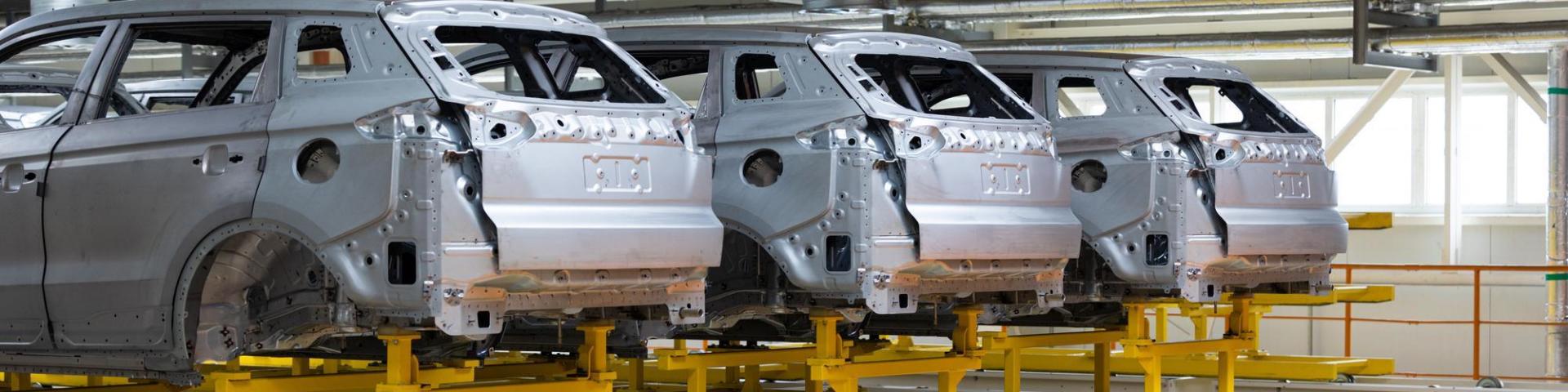
- Automotive bodies and chassis components
- Truck and commercial vehicle parts
- Agricultural machinery
- Construction equipment
- Electrical cabinets and enclosures
- Metal furniture and storage systems
- Industrial equipment and fabricated steel components
Many of these products operate outdoors or in demanding environments where coating durability directly affects maintenance costs and product reliability.
Is an Electrophoretic Coating Line a Good Choice for Gulf Region Projects?
For projects located in Oman, Saudi Arabia, the UAE, and other Gulf countries, corrosion resistance is often one of the most important performance requirements.
Coastal humidity, airborne salt, and extreme temperatures create conditions that challenge many conventional coating methods. As a result, project specifications increasingly require higher corrosion resistance standards and longer service life expectations.
An electrophoretic coating line can help meet these requirements while maintaining stable production quality. When combined with proper pretreatment, process control, and curing conditions, it offers a reliable solution for products that must withstand aggressive coastal environments.
This is one reason why electrophoretic coating technology continues to be widely adopted across automotive and industrial projects throughout the region.
Conclusion
Coastal environments place constant pressure on metal products. Salt, moisture, and heat work together to accelerate corrosion and shorten service life.
An electrophoretic coating line addresses these challenges by creating a uniform, highly adherent protective layer that covers even complex surfaces. Compared with many traditional coating methods, it provides more consistent coverage and stronger long-term corrosion protection.
For products intended for use near the coast, investing in a high-quality coating process is often more effective than dealing with corrosion problems after they occur. In this regard, electrophoretic coating remains one of the most proven and reliable solutions available today.