Rust problems after e-coat line can be confusing. The metal parts have already gone through cleaning, coating, and curing, but corrosion still appears during testing or after the products are used in the field.
So why does this happen?
In most cases, rust after e-coating does not come from the coating process alone. It is usually related to several factors, including pretreatment quality, coating coverage, curing conditions, and process control. Finding the exact cause requires checking the entire coating process instead of focusing on only one stage.
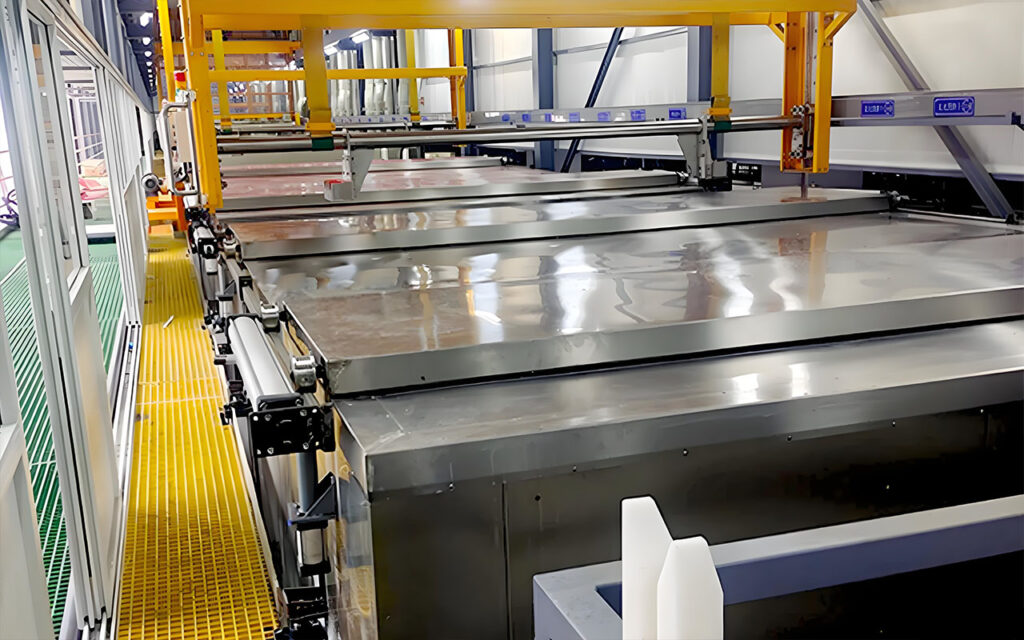
E-Coat Line Pretreatment Quality Directly Affects Corrosion Protection
The pretreatment process is the first step that determines whether the coating can protect the metal surface effectively.
Before parts enter an e-coat line, the surface must be free from oil, dust, rust, and other contaminants. If these residues remain on the metal surface, the coating may not bond properly.
This problem is common around areas such as:
- Weld seams
- Sharp corners
- Deep holes
- Narrow gaps
These areas are more difficult for cleaning chemicals to reach. As a result, weak points may appear after coating, allowing moisture to contact the metal surface.
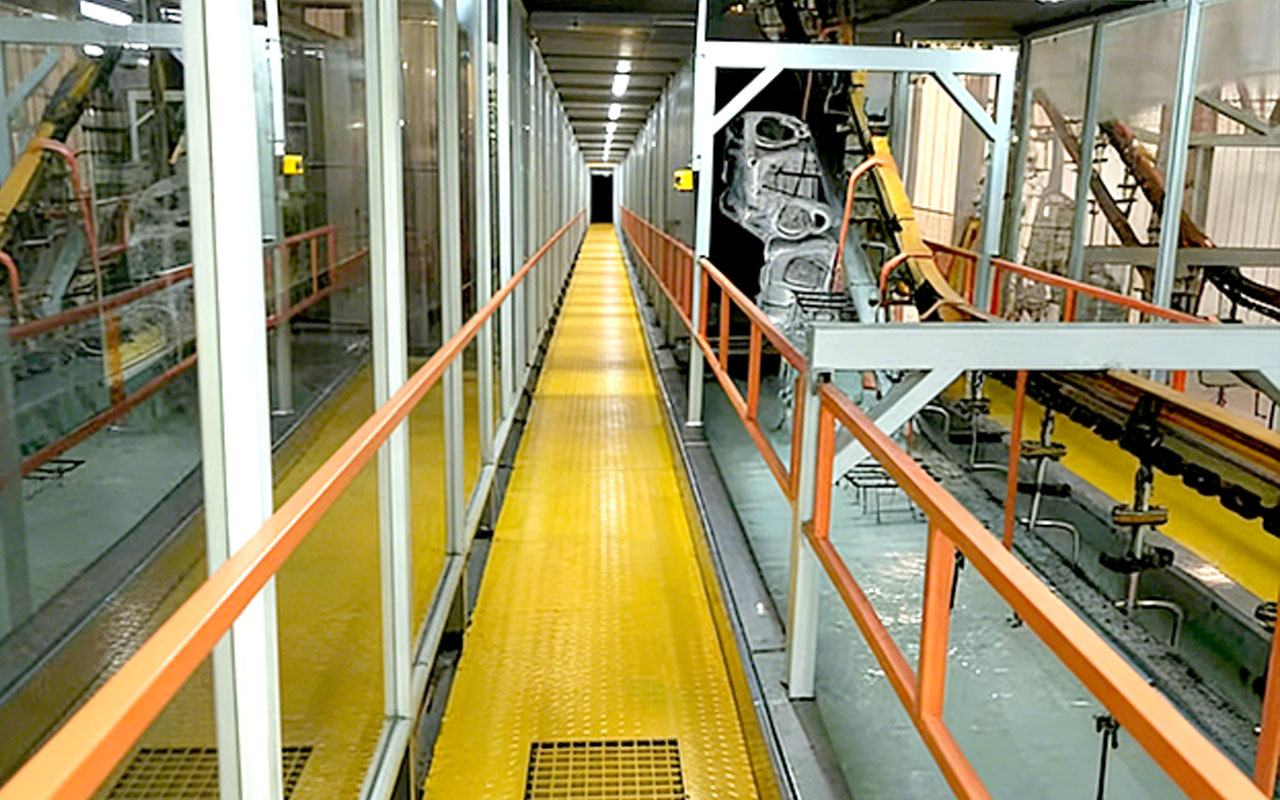
A complete pretreatment process usually includes cleaning, rinsing, surface conditioning, and conversion coating. Each stage needs stable control because even a small problem in the early steps can affect the final corrosion resistance.
Why Does My E-Coat Line Have Uneven Coating Coverage?
Uniform coating coverage is one of the key factors for preventing rust. However, some parts may still have areas with insufficient coating thickness.
Several conditions can cause uneven coating coverage:
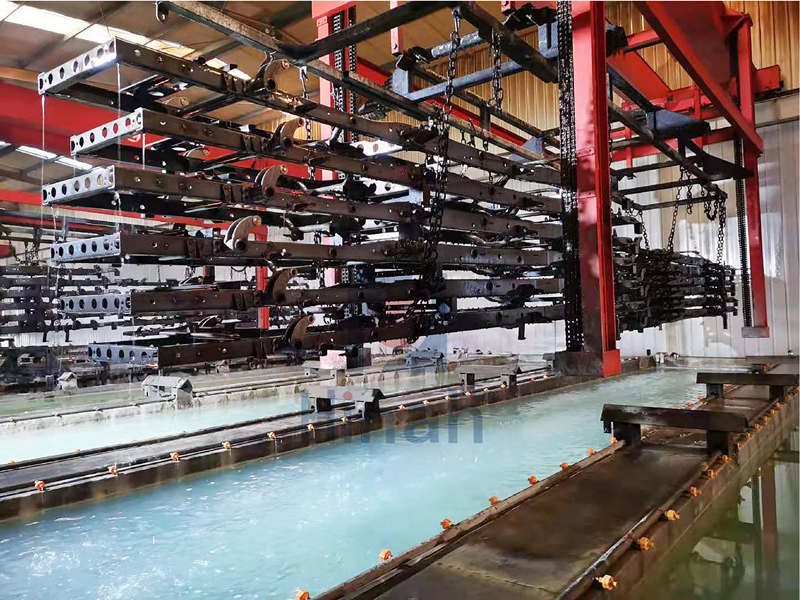
- Incorrect electrical contact between parts and the conveyor
- Improper voltage settings
- Unstable bath conditions
- Complex part shapes that create shadow areas
- Incorrect immersion time
During the e-coating process, the electric field guides paint particles toward the metal surface. However, areas with poor electrical connection or difficult geometry may receive less coating.
For example, deep cavities or enclosed structures may not achieve the same coating thickness as flat surfaces. These weak areas can become the first locations where corrosion begins.
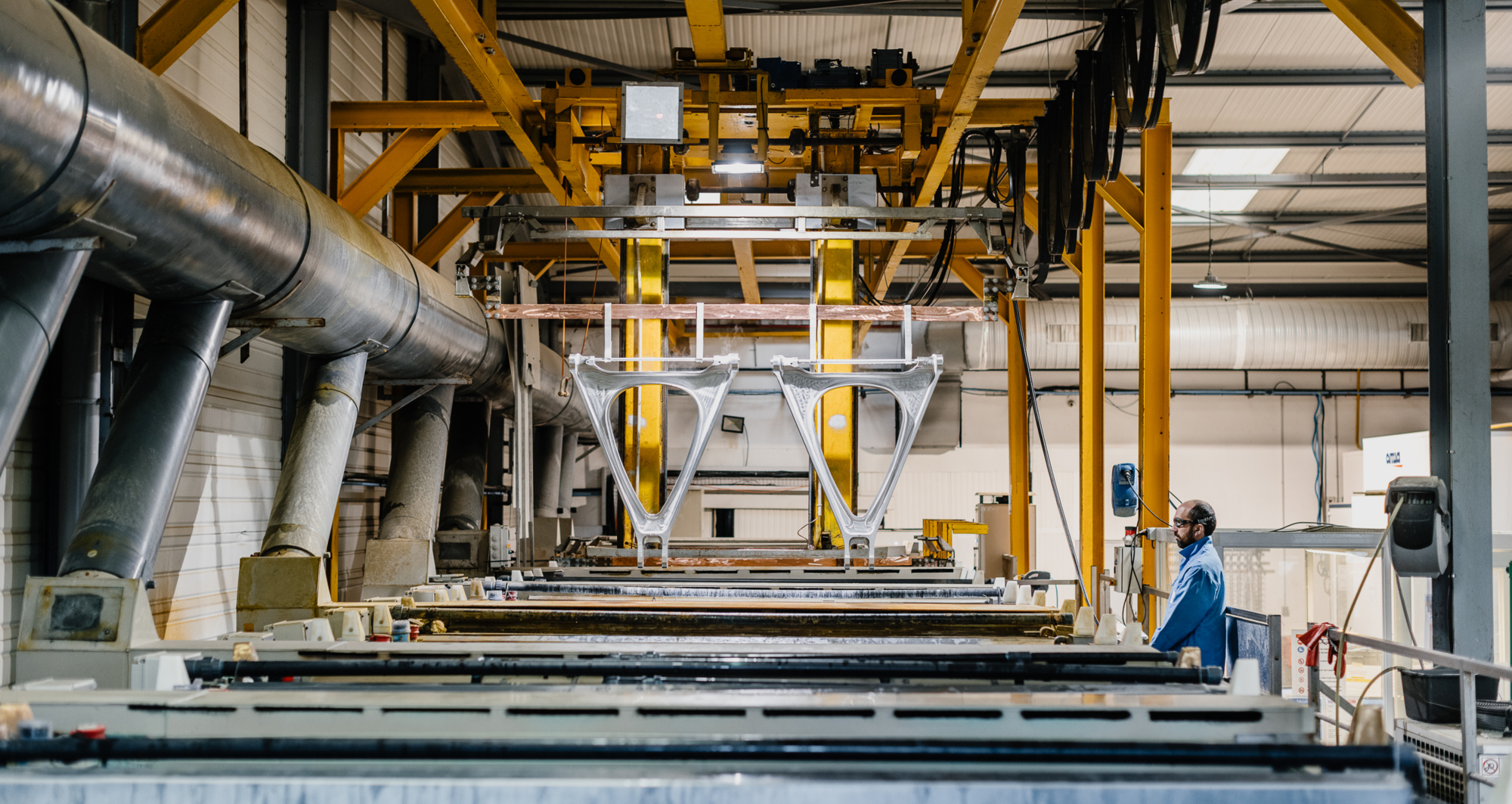
Can Curing Problems Cause Rust After Electrocoating?
Yes. The curing process is another important factor that affects coating performance.
After leaving the coating tank, parts enter the oven to develop the final coating properties. If the curing temperature or time is not correct, the coating film may not reach the required hardness and chemical resistance.
A common mistake is checking only the oven setting instead of the actual part temperature.
During troubleshooting, it is important to check:
- Actual metal temperature during curing
- Heating uniformity inside the oven
- Conveyor speed
- Curing time
If some areas of the oven heat differently, certain parts may not receive enough curing even though the control system shows normal operation.
How Does E-Coat Bath Control Influence Rust Problems?
The coating tank requires stable chemical conditions to maintain consistent results.
Changes in bath parameters can affect coating formation and corrosion resistance. Important factors include:
- pH value
- Conductivity
- Solids content
- Paint contamination
- Filtration condition
For example, excessive contamination in the tank may affect coating appearance and adhesion. Poor filtration may also allow unwanted particles to remain in the coating process.
Regular monitoring helps keep the coating process stable and makes it easier to identify problems before they affect product quality.
Can Product Design Lead to Rust After Using an E-Coat Line?
Product design can have a significant impact on coating results.
Some structures naturally create challenges during cleaning, coating, and drainage. If liquid remains trapped inside a part after pretreatment or coating, corrosion may occur later.
Common problem areas include:
- Overlapping metal sections
- Closed tubes
- Deep cavities
- Areas with poor drainage
Before production, it is helpful to review whether the part design allows chemicals and coating materials to reach all required surfaces.
A good part design works together with the e-coat line to achieve better coating coverage and corrosion resistance.
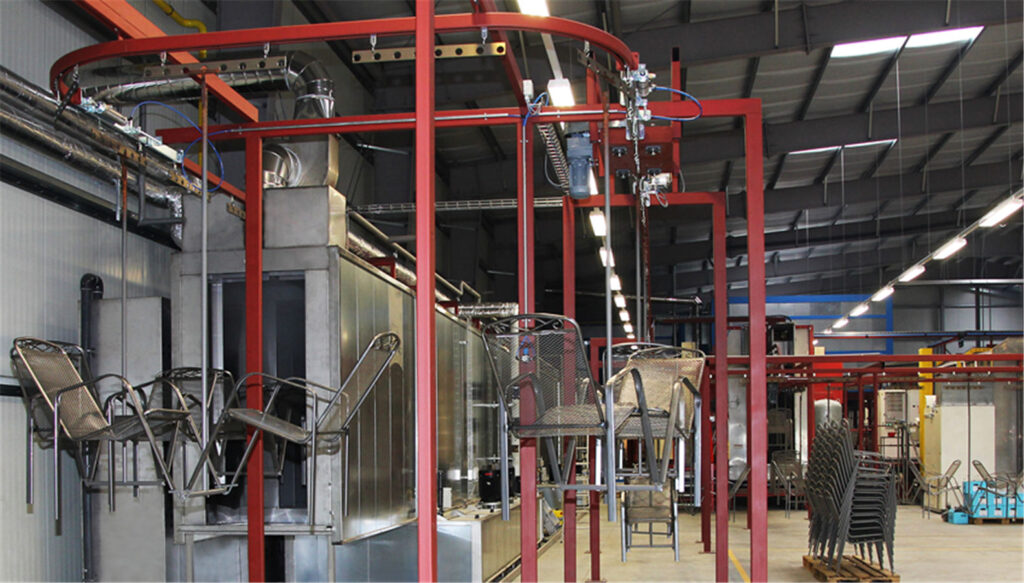
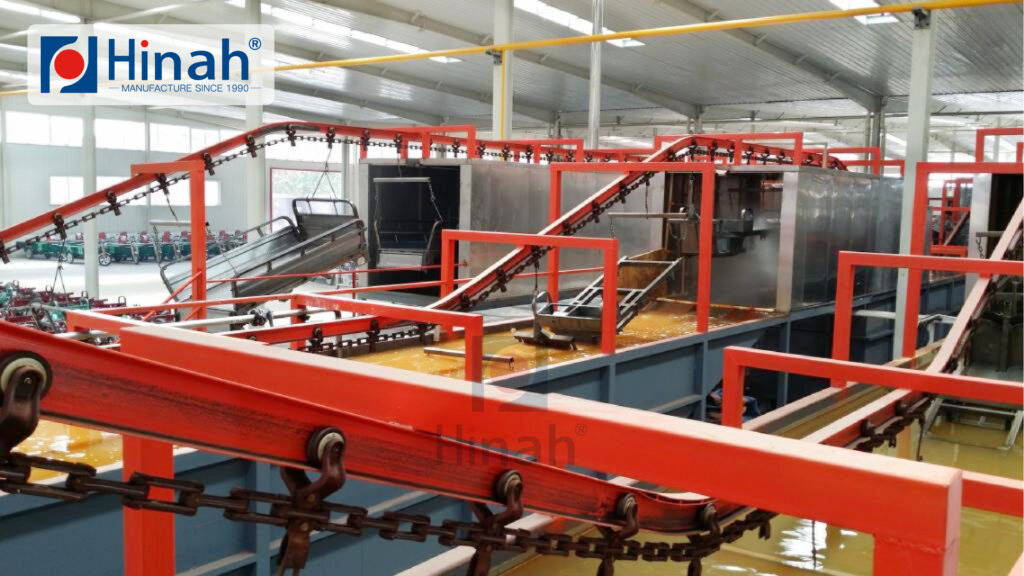
What Should I Check When Rust Appears After Electrocoating?
When rust occurs, it is better to check the whole process step by step instead of changing one parameter randomly.
A practical troubleshooting process includes:
- Inspect pretreatment cleaning results.
- Measure coating thickness in different areas.
- Check electrical contact conditions.
- Review bath parameters.
- Confirm curing temperature and time.
- Examine difficult areas in the product structure.
This method helps identify whether the problem comes from surface preparation, coating application, curing, or product design.
How Can I Prevent Rust Problems With an E-Coat Line?
Preventing rust requires stable control throughout the entire coating process.
A reliable e-coat line should work together with proper pretreatment, accurate process monitoring, and regular equipment inspection. When each stage performs correctly, the coating can provide strong protection even in demanding environments.
Rust after e-coating is usually a sign that one part of the process needs attention. By checking each step carefully, you can find the real cause and improve coating results over time.