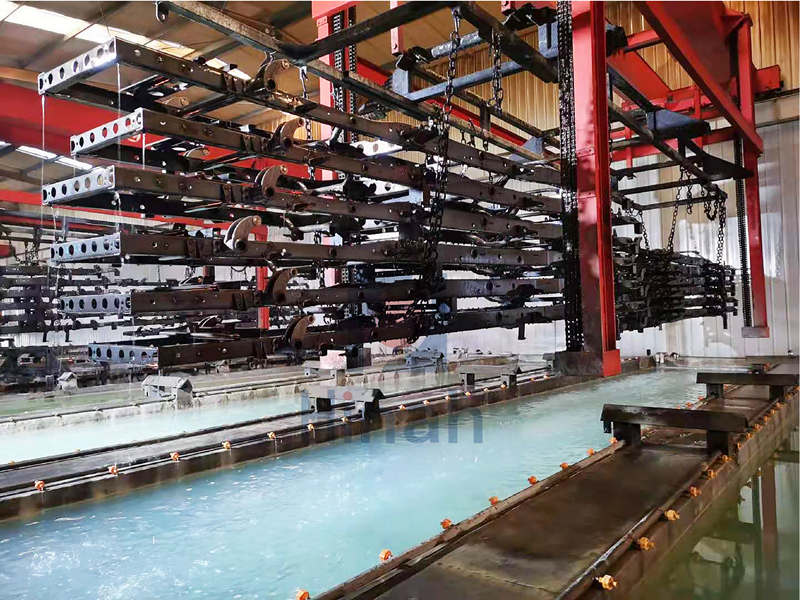
A UF loop gives its first warning as a number nobody writes down. Permeate flow on the rinse header slips a few percent a week. No defect shows up on the parts, and then one Monday the rinse pressure will not hold. The question that follows is always the same: was the date missed, or was the interval wrong from the start? Putting uf membrane cleaning on a real schedule means answering that with data from your own loop.
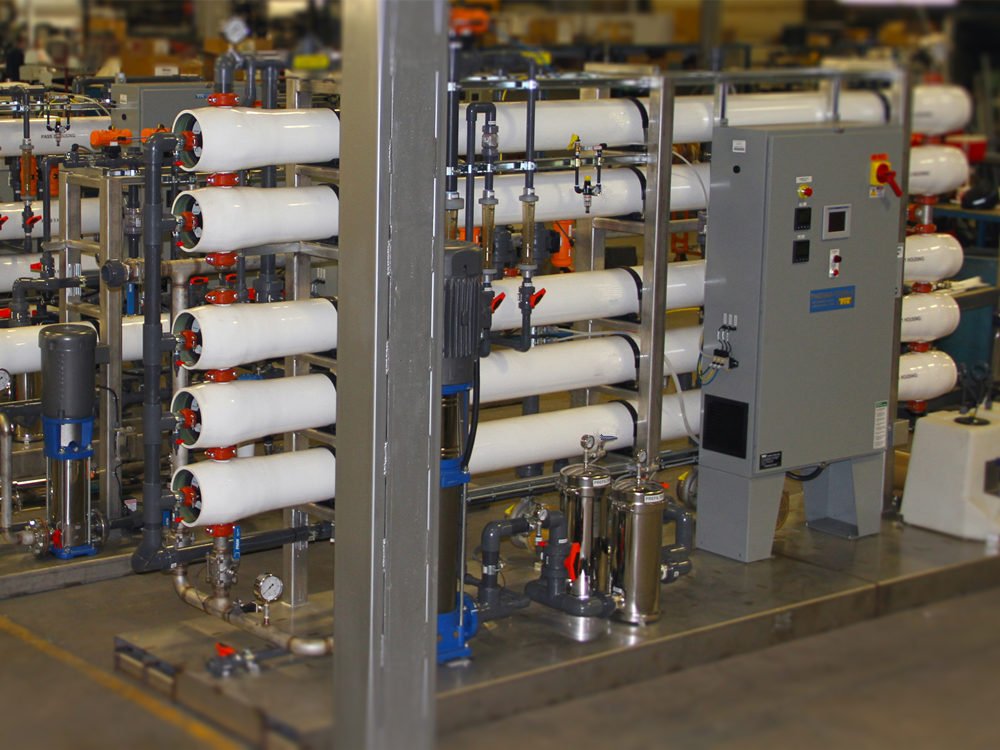
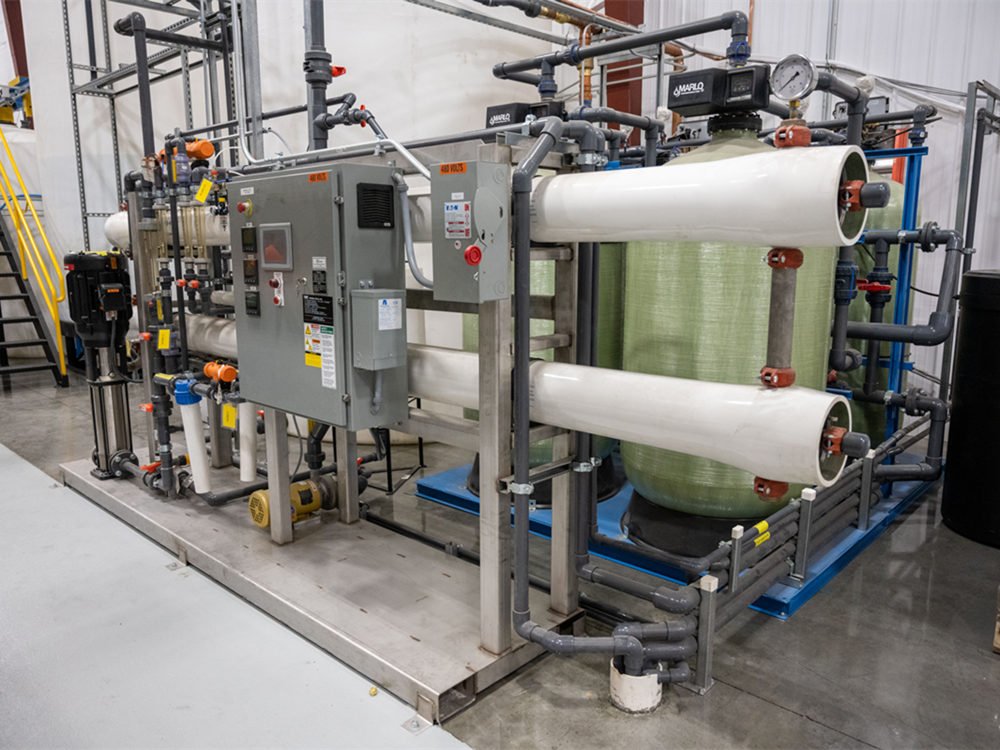
Why a Fixed Cleaning Date Fails on Real Lines
Most lines fix their cleaning interval once, at commissioning.
The element data sheet gives a range, the paint supplier gives a bulletin, and someone averages the two into “every four weeks”. That number then sits on the maintenance sheet for years while the line around it changes. Output rises, parts arrive with heavier drawing oil, pretreatment drag-in grows, and bath solids creep up. The fouling rate moves. The interval does not.
The second failure is deferral. Every uf membrane cleaning stops the rinse loop, so it slides to a quiet Friday, then to the next one. Two skipped cycles turn a soft gel layer into something a normal soak will not lift.
What a UF Membrane Cleaning Has to Remove
Four foulant families reach the membrane, and each answers to different chemistry.
| Foulant | Where it comes from | What lifts it |
|---|---|---|
| Paint resin and pigment solids | Post-rinse drag-in to the UF feed, building a gel layer on the concentrate side | Alkaline step with surfactant |
| Oil and grease | Pretreatment drag-in, forming a hydrophobic film that plugs pore mouths | Alkaline step with surfactant |
| Mineral scale | Hard make-up water or a tired DI stage | Acid step |
| Biofilm | Low-flow branches and dead legs | Biocide, plus a design change |
US EPA training material for electrocoating traces most bath contamination back to drag-in from pretreatment and rinse stages. The load on the membrane therefore follows the quality of the stages ahead of it. The Electrocoat Association treats ultrafiltration as part of bath control, not paint recovery alone, so cleaning belongs in the bath log.


Reading the Signals Before You Book the Date
Three readings show whether the loop is drifting.
Take all three at a fixed reference point.
– Permeate flow at a set transmembrane pressure
– Transmembrane pressure at a set flow
– Permeate conductivity and clarity
Temperature confuses all three. Warm permeate is thinner and flows faster, so a swing of ten degrees can hide a fouling trend or invent one. Log temperature with every reading, or normalise flow to a reference before comparing weeks.
Timing a UF Membrane Cleaning From Your Own Data
A working field rule is to clean when normalised flux falls 10 to 15 percent below the clean baseline.
The same applies when pressure at fixed flow climbs by that share. Under the band, hold and keep logging. Past roughly 20 percent you are no longer maintaining a healthy membrane, you are recovering a fouled one, and recovery is often incomplete.
Treat those figures as a starting band, not a specification. Element pH, temperature and flow limits govern the chemistry. The coating system data sheet governs what the membrane sees.
Chemistry Sequence and What It Costs You
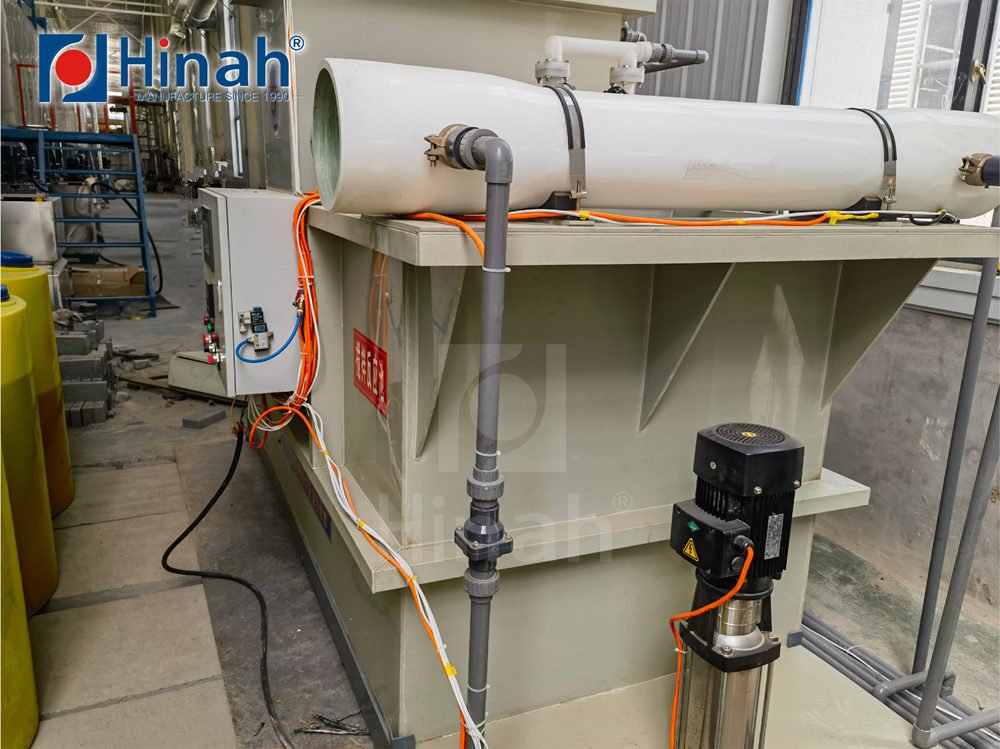
Alkaline first, acid second, is the usual order.
A caustic step with surfactant lifts paint solids and oil, and an acid step dissolves scale. Reverse the emphasis when hardness is high and scale dominates. Cleaning temperature and crossflow velocity do as much work as the chemical, because both raise shear at the membrane surface.
Every uf membrane cleaning cycle costs more than a drum of chemical. It costs rinse time, wastewater load and some element life. That price is why “clean it more often” is not a safe default.
What “Clean” Should Look Like Afterward
Judge a uf membrane cleaning by recovery, not by appearance.
Flux should return to within a few percent of the previous baseline at the same temperature, and pressure should settle back to its old value. Write the number down. If recovery drops with each cycle, the interval is too long or the chemistry is wrong.
Designing the Loop So Cleaning Stays Short
Part of the uf membrane cleaning burden is settled at the design stage.
Feed tank turnover matters, and so does an oil skimmer ahead of the membrane. Controlled permeate temperature, low-point drains and a spare ultrafiltration skid also help, because you can then clean while rinsing continues. A sample point on each loop is worth more than it costs, since a trend line beats a memory.
None of this removes the need to clean. It only decides whether a cycle takes an afternoon or a weekend.
Frequency is a decision your own data should make. Set a flux baseline while the membrane is new, respect the element limits, and let uf membrane cleaning fall due when the normalised numbers say so. A loop cleaned on evidence lasts longer than one cleaned on a calendar.