How Long Does an Electrophoretic Coating Process Take?
The complete electrophoretic coating process usually takes 30 to 90 minutes, depending on part size, coating requirements, pretreatment quality, and curing conditions. In most industrial
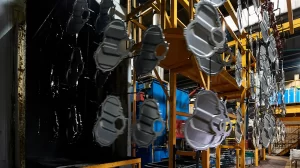
What Types of Metals are Best Suited for Cathodic Electrocoating?
Can you use cathodic electrocoating on any metal? The short answer is yes—as long as the metal conducts electricity. When you submerge a part into
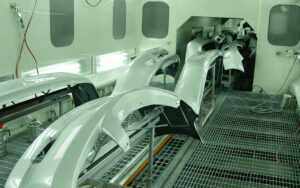
How Much Carbon Can Your Electrophoretic Coating Oven Save?
Industrial manufacturing is entering a new era. Today, a successful electrophoretic coating shop must do more than just produce durable products. It must also protect
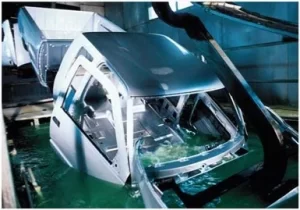
How Much Water Does Your E-Coat Line Waste?
Metal finishing shops use a massive amount of water. In an e-coat line shop, the pre-treatment and electrocoating stages consume more water than any other
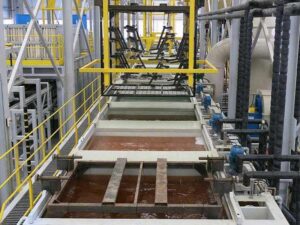
Why Does Your E-Coat Line Have Cratering?
Cratering is one of the most frustrating defects in electrodeposition. You run your parts, and instead of a smooth, uniform finish, you get small, bowl-shaped
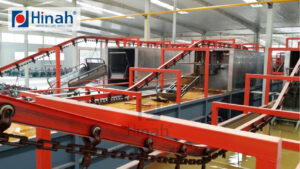
Automotive E-Coating Line: Is Your Infrastructure Ready?
Building a professional automotive e-coating line requires more than just a paint tank. It demands a robust foundation of power, water, and thermal engineering to
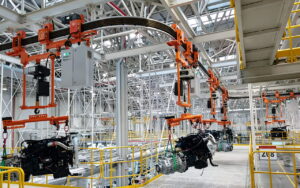
How to Eliminate the “Faraday Cage Effect” in Electrophoretic Coating?
Why do some metal parts come out of the tank looking perfect on the outside but stay completely bare in the corners? This is the
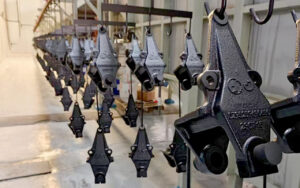
Why Is Your E-Coat Line Finish Peeling or Bubbling?
You just finished a production run, but the results are a disaster. The coating is lifting off the metal like old tape, or worse, it’s
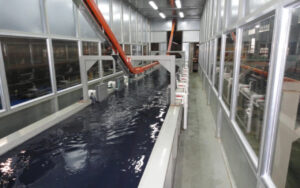
Why Is Your Conveyor Speed Out of Sync with the E-coat Tank Dwell Time?
The balance between your conveyor speed and coating chemistry is the heartbeat of a successful finishing operation. In a perfect setup, the mechanical movement of
How Long Does an Electrophoretic Coating Process Take?
The complete electrophoretic coating process usually takes 30 to 90 minutes, depending on part size, coating requirements, pretreatment quality, and curing conditions. In most industrial
What Types of Metals are Best Suited for Cathodic Electrocoating?
Can you use cathodic electrocoating on any metal? The short answer is yes—as long as the metal conducts electricity. When you submerge a part into
How Much Carbon Can Your Electrophoretic Coating Oven Save?
Industrial manufacturing is entering a new era. Today, a successful electrophoretic coating shop must do more than just produce durable products. It must also protect
How Much Water Does Your E-Coat Line Waste?
Metal finishing shops use a massive amount of water. In an e-coat line shop, the pre-treatment and electrocoating stages consume more water than any other
Why Does Your E-Coat Line Have Cratering?
Cratering is one of the most frustrating defects in electrodeposition. You run your parts, and instead of a smooth, uniform finish, you get small, bowl-shaped
Automotive E-Coating Line: Is Your Infrastructure Ready?
Building a professional automotive e-coating line requires more than just a paint tank. It demands a robust foundation of power, water, and thermal engineering to
How to Eliminate the “Faraday Cage Effect” in Electrophoretic Coating?
Why do some metal parts come out of the tank looking perfect on the outside but stay completely bare in the corners? This is the
Why Is Your E-Coat Line Finish Peeling or Bubbling?
You just finished a production run, but the results are a disaster. The coating is lifting off the metal like old tape, or worse, it’s
Why Is Your Conveyor Speed Out of Sync with the E-coat Tank Dwell Time?
The balance between your conveyor speed and coating chemistry is the heartbeat of a successful finishing operation. In a perfect setup, the mechanical movement of