When people talk about aluminium coating, they usually focus on colour, appearance, or surface protection. However, the final coating quality depends on many hidden factors inside the production process.
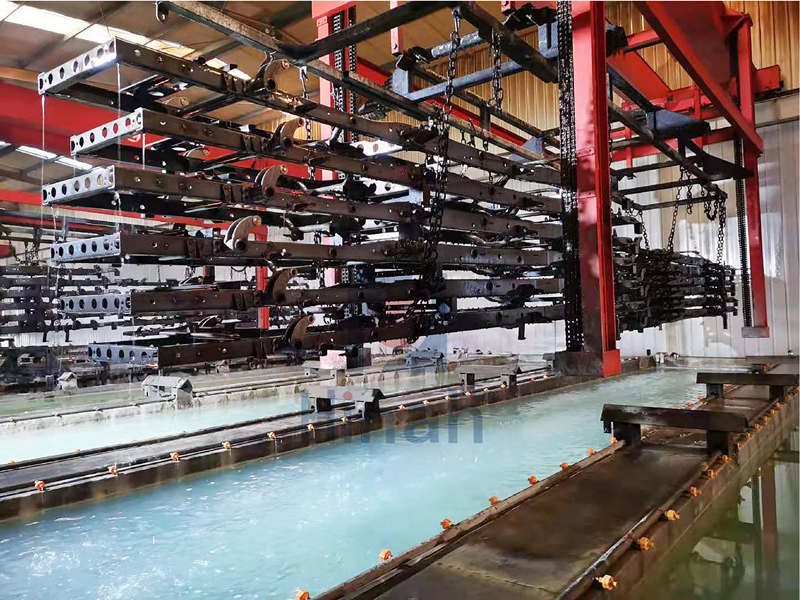
An electrophoretic painting plant for aluminium is more than a series of tanks and ovens. Every stage, from surface preparation to curing control, affects the performance of the finished aluminium profile.
Many coating problems do not come from the paint itself. They often come from small process details that are easy to overlook. Here are seven important facts that can help you better understand aluminium electrophoretic painting.
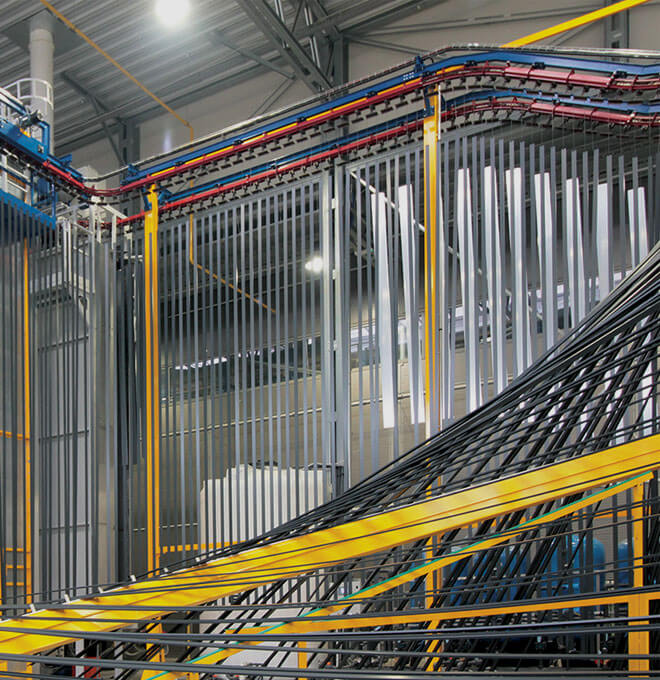
Electrophoretic Painting Plant for Aluminium Is Not Only About Coating Thickness
A common misunderstanding is that a thicker coating always means better protection. In reality, coating thickness is only one part of the quality control process.
For aluminium profiles, a uniform coating layer is more important than simply increasing thickness. Uneven coating can create weak areas, especially on corners, edges, and complex profiles.
During the electrophoretic process, several factors influence coating performance:
- Bath temperature
- Voltage control
- Paint concentration
- Electrical conductivity
- Immersion time
A stable process helps the coating form evenly on the entire aluminium surface. This is why process control plays a key role in an electrophoretic painting plant for aluminium.
The Pretreatment Process Has More Impact Than You Think
Many people pay attention to the electrophoresis stage but ignore pretreatment. However, pretreatment is the foundation of coating adhesion.
Before entering the electrophoresis tank, aluminium profiles usually go through multiple cleaning and conversion steps. These processes remove oil, dust, and surface impurities. They also create a suitable surface condition for coating adhesion.
If pretreatment is not controlled properly, problems may appear later, such as:
- Poor coating adhesion
- Surface defects
- Uneven appearance
- Reduced corrosion resistance
A high-quality coating always starts with a clean and well-prepared aluminium surface.
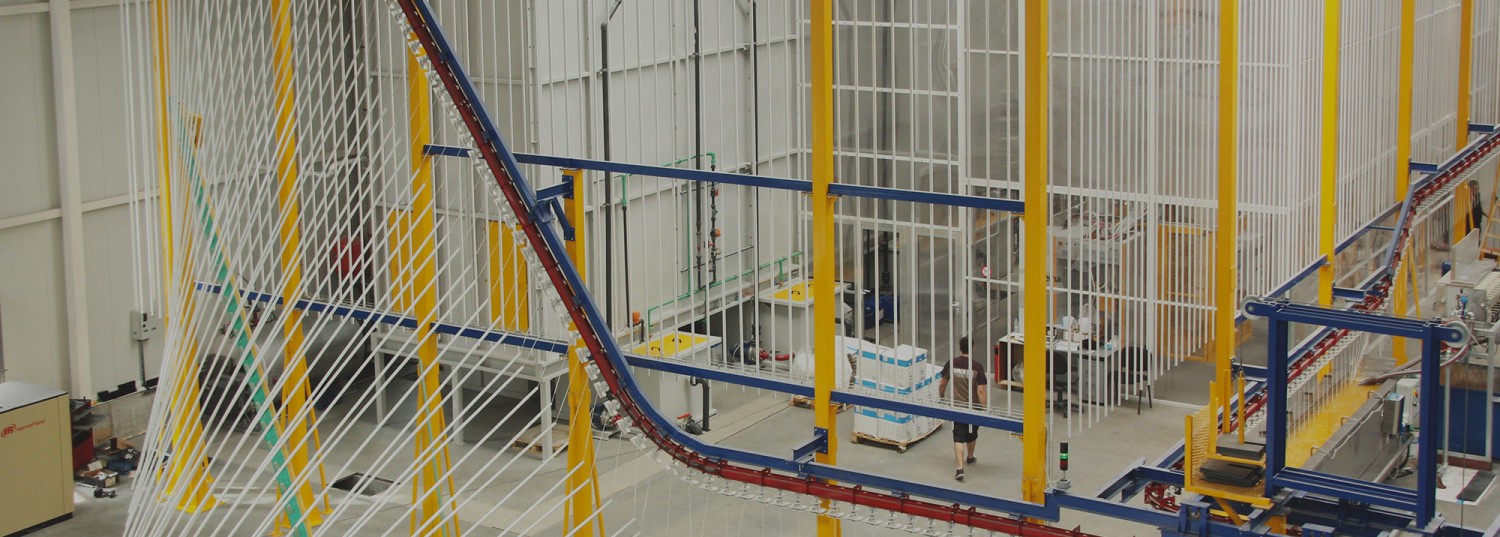
Aluminium Requires Different Coating Control From Steel Parts
Although electrophoretic coating can be used on different metals, aluminium has its own characteristics.
Aluminium naturally forms an oxide layer on its surface. This layer affects electrical conductivity and surface reactions during the coating process. Therefore, aluminium profiles require specific process adjustments.
For example, parameters such as voltage, pretreatment method, and bath conditions need careful control. Using the same settings for steel and aluminium may lead to unstable coating results.
This is one reason why an electrophoretic painting plant for aluminium needs process knowledge that matches aluminium applications.
Bigger Equipment Does Not Always Mean Better Coating Results
A larger production system does not automatically create better coating quality.
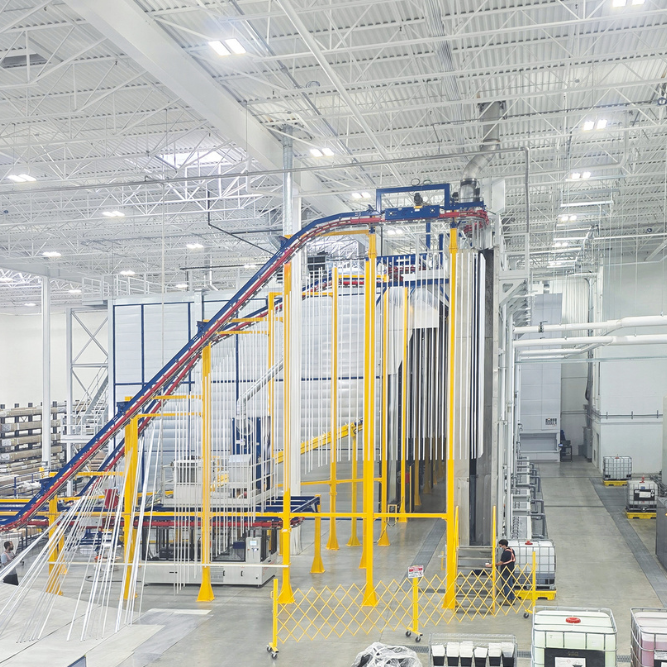
The performance of an electrophoretic painting plant for aluminium depends on how each section works together. The circulation system, filtration system, temperature control, and conveyor movement all influence the final result.
For example, poor paint circulation may cause uneven coating distribution. An unstable curing process may affect hardness and surface appearance.
A well-designed process focuses on stability rather than simply increasing equipment size.
Colour Differences Are Often Related to Process Control
When aluminium profiles show colour differences, many people first think about paint quality. However, the reason can often be found in process conditions.
Small changes in the production process may affect colour consistency, including:
- Different surface conditions of aluminium profiles
- Changes in bath parameters
- Uneven curing temperature
- Insufficient process monitoring
Maintaining stable conditions throughout the coating process is important for achieving consistent appearance, especially for projects that require multiple batches of aluminium profiles.
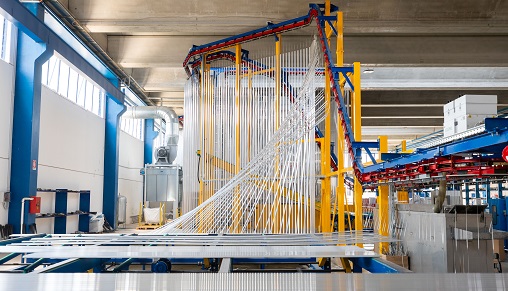
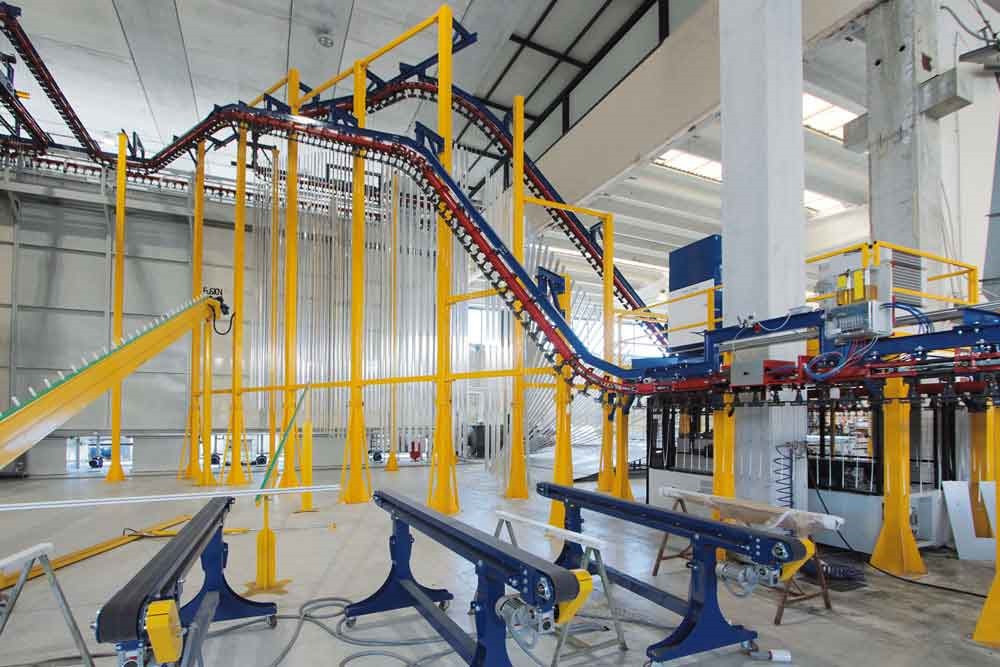
Energy Efficiency Depends on the Whole Process
The curing oven is an important part of an electrophoretic painting plant for aluminium, but it is not the only factor that affects energy use.
The entire process sequence influences how efficiently the system operates. Conveyor speed, heat insulation, oven design, and process scheduling all play a role.
For example, proper heat management can help maintain stable curing conditions. At the same time, reasonable process planning can reduce unnecessary heating cycles.
A complete approach is more effective than focusing on only one section of the line.
Automation Improves More Than Production Speed
Many people think automation only helps increase production speed. In fact, its value goes further.
An automated electrophoretic painting plant for aluminium can improve process consistency by reducing differences caused by manual operation.
Automation can help with:
- Accurate conveyor movement
- Stable dipping time
- Process monitoring
- Repeatable coating results
For aluminium profiles, consistency is especially important because small differences can affect the final surface appearance.