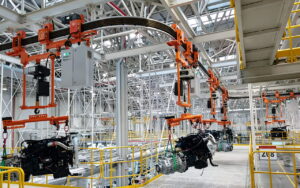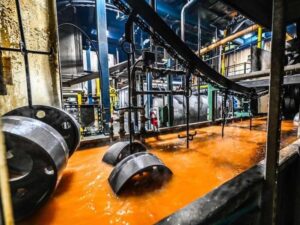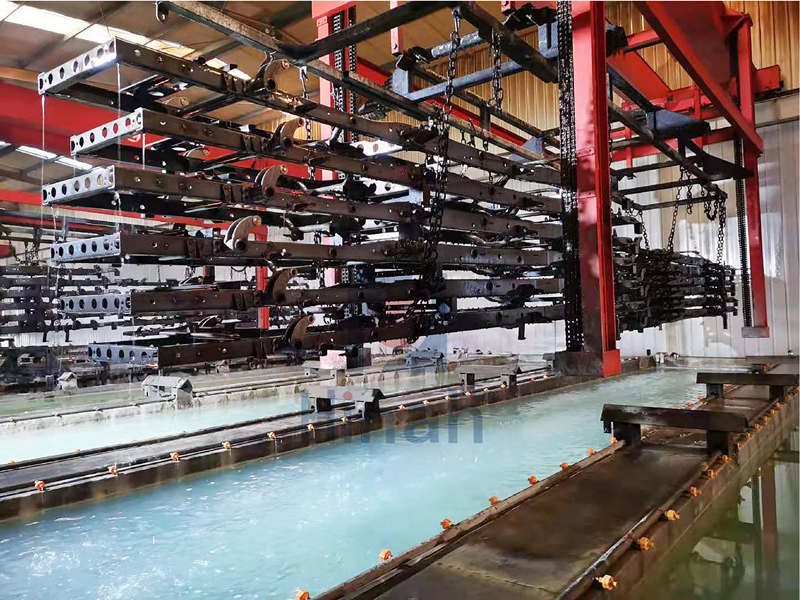
When it comes to achieving flawless coating in the e-coating process, the design of the e-coat tank plays a crucial role. Every detail, from the tank’s size to its liquid flow system, affects the quality and consistency of the coating on workpieces. A well-designed e-coat tank not only ensures optimal performance but also improves production efficiency and reduces maintenance costs. In this article, we’ll explore the key design principles behind creating an e-coat tank that delivers exceptional coating results, focusing on factors such as tank dimensions, liquid depth, and advanced filtration features. Whether you’re upgrading an existing system or designing a new one, understanding these design elements can make a significant difference in your coating process.
Understanding E-Coat Tank Types
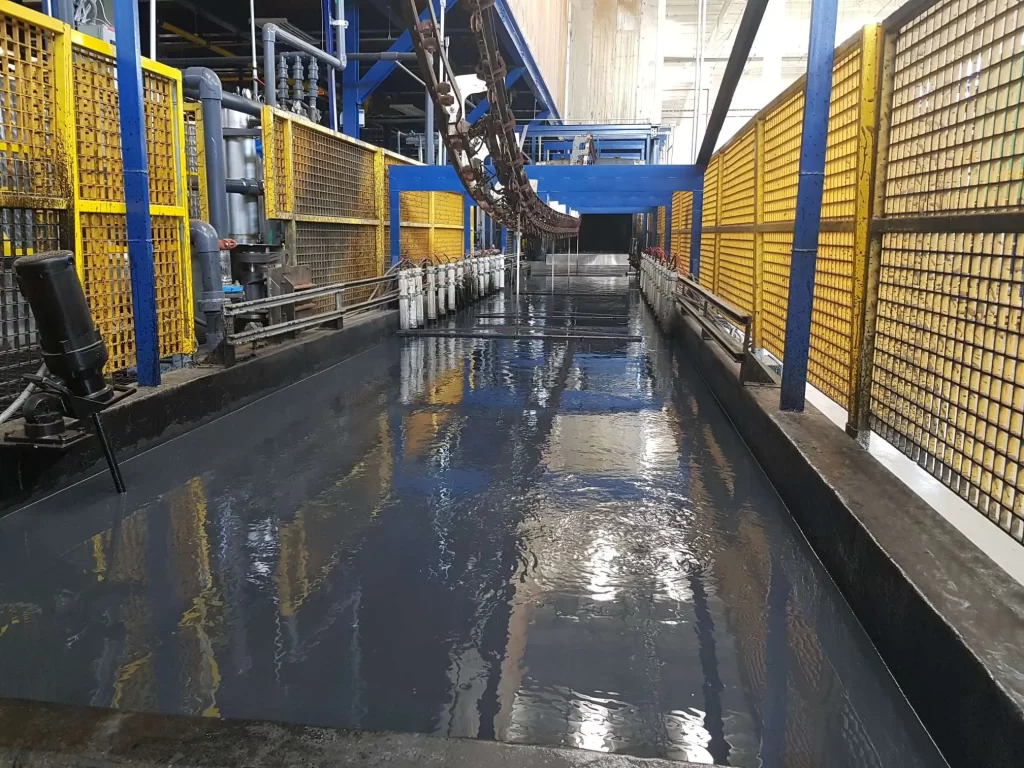
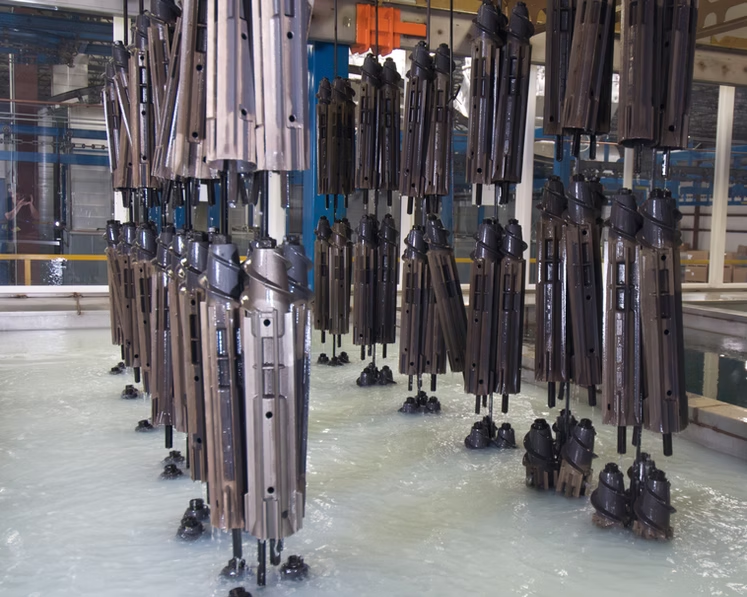
In the world of e-coating, the choice of tank type significantly impacts production efficiency and the quality of the final coating. There are two primary types of e-coat tanks: square tanks and ship-shaped tanks. Each is suited for different production processes and offers unique advantages.
1. Square E-Coat Tanks for Intermittent Production
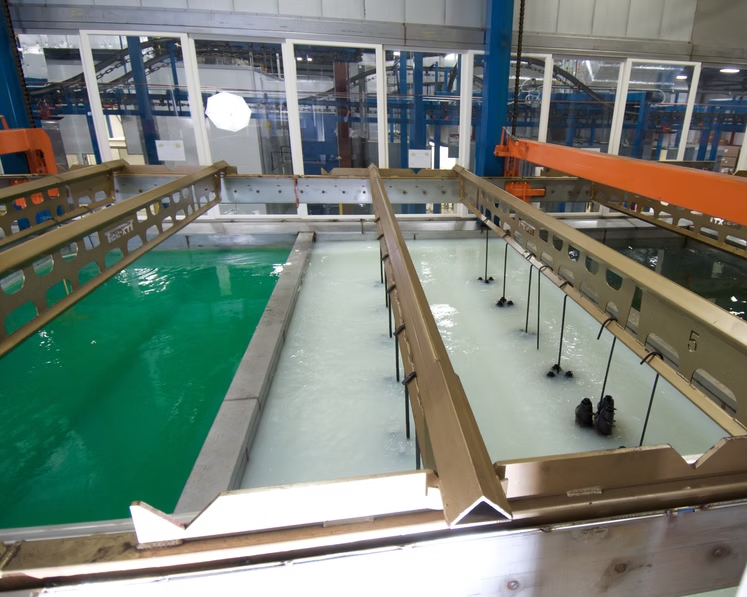
Square e-coat tanks are commonly used in batch or intermittent production systems, where workpieces are processed in cycles. These tanks are generally easier to design and cost-effective for small to medium-sized production runs. They offer a compact design, making them suitable for smaller spaces. However, due to their geometry, square tanks may not be as efficient in terms of liquid flow, which can impact coating uniformity and the overall efficiency of the system. The relatively small size of square tanks means that they often require frequent maintenance and adjustment to keep the liquid circulation optimized.
2. Ship-Shaped E-Coat Tanks for Continuous Production
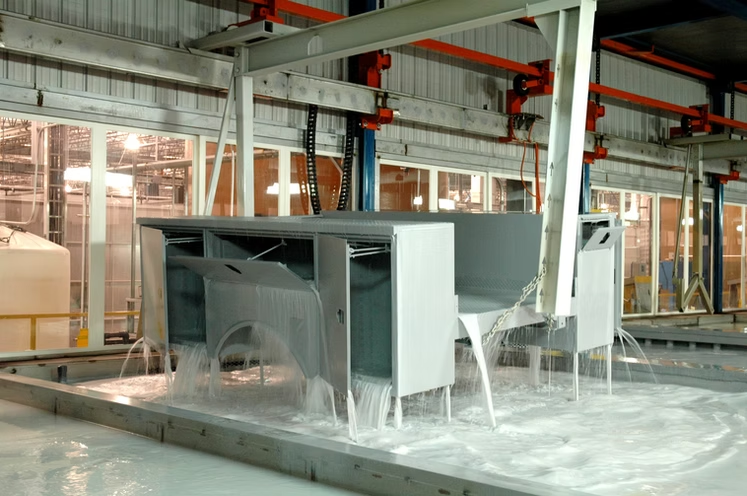
On the other hand, ship-shaped e-coat tanks are designed for continuous production lines, making them ideal for high-volume manufacturing processes. These tanks have a tapered shape that facilitates better liquid flow, ensuring more consistent coating results and reduced chances of air pockets forming during immersion. Their design allows for longer processing times, making them perfect for industries that require high throughput and constant operation. Ship-shaped tanks also offer more flexibility in terms of adjusting for varying workpiece sizes and coating thickness, leading to more uniform results across large batches.
Choosing between a square or ship-shaped e-coat tank depends on the production needs and space available. For continuous operations with higher volumes, ship-shaped tanks are generally the better option due to their superior flow characteristics and efficiency. However, for smaller-scale operations or intermittent production, square tanks may be more suitable.
Key E-Coat Tank Design Factors for Optimal Performance
1. Tank Dimensions and Clearance
The size and dimensions of an e-coat tank are critical in determining how well the coating process will perform. The tank must be large enough to accommodate the maximum size of the workpieces being coated. Additionally, maintaining adequate clearance between the workpieces and the anode is essential for consistent coating results. A gap of 300–400mm between the workpiece and the anode ensures proper liquid flow and prevents uneven coating. Likewise, ensuring a minimum clearance of 400mm between the workpiece and the tank’s bottom is necessary to prevent damage and allow for better liquid circulation around the entire surface.
2. Liquid Depth and Flow
Proper liquid depth is essential for achieving consistent coating thickness. The liquid level should be at least 300mm above the workpiece to ensure adequate coverage of the top surface, improving uniformity. A deeper liquid layer helps maintain consistent movement and flow across the surface, reducing the risk of paint settling on flat areas. The design of the e-coat tank must also consider liquid flow dynamics to avoid stagnant areas, ensuring that the coating solution moves evenly throughout the tank. This reduces issues like inconsistent film thickness or poor adhesion.
3. Slope and Drainage for Easy Maintenance
Incorporating a slight slope into the bottom of the e-coat tank is essential for efficient maintenance and liquid management. This slope helps the coating liquid flow towards the overflow area, making it easier to drain and replace. It also facilitates the removal of debris and ensures that the liquid is always circulating properly. Additionally, adjustable weir plates are an important feature in maintaining the proper liquid level, preventing overflow while keeping the liquid flow controlled. The tank should also be designed to prevent backflow and facilitate smooth drainage during cleaning or maintenance operations.
4. Avoiding Dead Zones in Liquid Flow
Dead zones in an e-coat tank, where liquid flow is stagnant or uneven, can lead to coating issues such as poor adhesion or inconsistent film thickness. The tank should be designed with smooth surfaces and no obstructive corners that might trap the liquid. Ensuring continuous liquid movement is critical to keeping the coating process uniform. Proper placement of inlet and outlet pipes, along with the design of the tank bottom, can help prevent the formation of dead zones, allowing for even distribution of the coating solution across the workpieces.
Advanced Features for Enhanced Coating Quality
Advanced features like overflow tanks and magnetic filtration systems are essential for maintaining high coating quality in e-coat tanks. Overflow tanks help manage excess coating solution, ensuring consistent levels and preventing spillage. Filtration systems, typically made from fiberglass or stainless steel mesh, filter out large particles and impurities, keeping the coating liquid clean and free from contaminants. Magnetic filtration, often incorporated into e-coat tanks, captures metal debris such as weld slag or grinding dust, preventing these particles from contaminating the workpieces and ensuring a cleaner, more uniform coating. These advanced features not only improve the overall coating quality but also extend the lifespan of the coating solution, reduce maintenance needs, and enhance system efficiency.