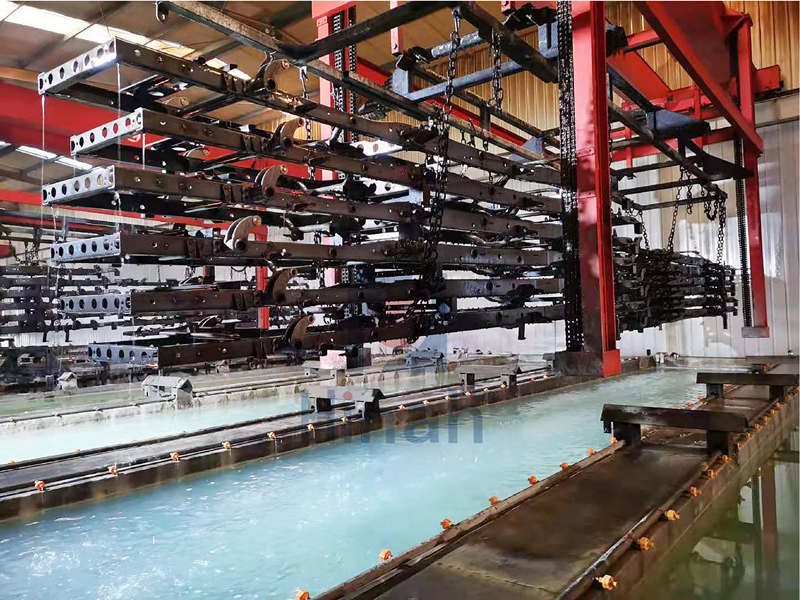
When you see “fish-eyes,” craters, or dark spots on your finished parts, these defects usually point to one place: a contaminated tank. While most operators check the chemistry first, they often overlook the overhead conveyor. A dirty conveyor chain acts as a constant source of pollution. It travels directly above your e-coat line tanks, dropping oil, grease, and metal dust into the bath. This contamination ruins the finish and forces expensive rework. If you do not stop these leaks, you will eventually have to dump the entire chemical tank. We will explain why your conveyor is failing and how to stop it from killing your production quality.
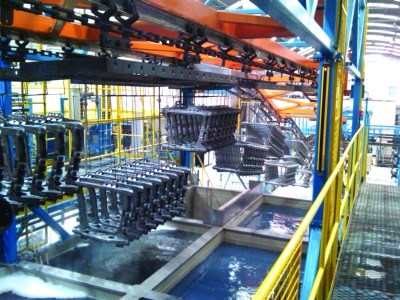
Identifying the Sources of Conveyor Contamination
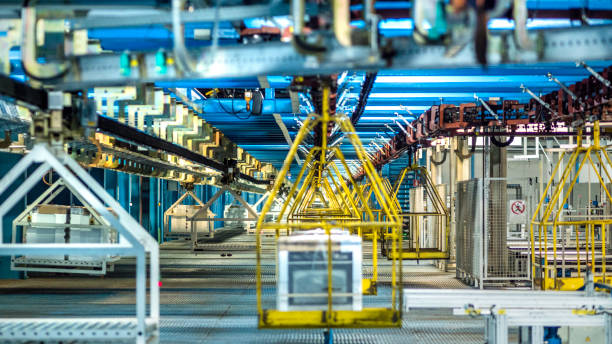
A conveyor chain moves through several environments before it reaches your e-coat line. During this journey, it collects and drops three main types of contaminants into your bath.
Lubricant Drip
Manual oiling often leads to over-lubrication. Excessive oil or grease hangs from the chain links and rollers. When the conveyor passes over the heated pretreatment or coating tanks, the lubricant thins out. Gravity then pulls these droplets directly into the chemistry. Even a few drops of non-compatible oil can create massive surface tension issues, resulting in craters on your parts.
Metal Shavings
The constant friction between the chain and the track rail creates fine metallic dust. If the rail lacks proper lubrication or alignment, the metal-on-metal contact worsens. These microscopic shavings fall into the e-coat line tanks and settle on the workpiece. This results in a “gritty” texture or dark specks that you cannot simply wash away after curing.
Environmental Dust
The overhead conveyor acts like a magnet for factory grime. It picks up airborne dust, welding fumes, and floor debris in other areas of the plant. As the chain vibrates or turns, it releases this buildup into the coating tank. This contamination disrupts the electrodeposition process and lowers the overall gloss of the finish.
Mechanical Failures in the E-coat Line Conveyor System
Poorly maintained mechanical components do more than just slow down production. They actively drop contaminants into your e-coat line bath. Here are the three main mechanical failures that ruin your coating quality.
Worn Bearings
When conveyor bearings reach the end of their life, they lose their smooth rotation. The internal balls or rollers begin to grind against the race. This friction creates fine metallic powder and overheats any remaining grease. The liquid grease then leaks out of the bearing housing and drips directly into the chemical tanks below.
Improper Tensioning
A loose or unevenly tensioned chain causes the conveyor to “jump” or vibrate as it moves through the turns. These sudden movements shake loose any accumulated dust, dried pretreatment chemicals, or rust from the track. If your chain vibrates while passing over the e-coat line, you will see a constant rain of debris falling into the bath.
Lack of Shielding
Many older conveyor designs lack physical protection between the moving parts and the open tanks. Without “C-hooks” or integrated drip pans, there is no barrier to catch falling debris. Every mechanical movement occurs directly above the sensitive electrocoating chemistry, leaving your bath vulnerable to every dropped particle or oil droplet.
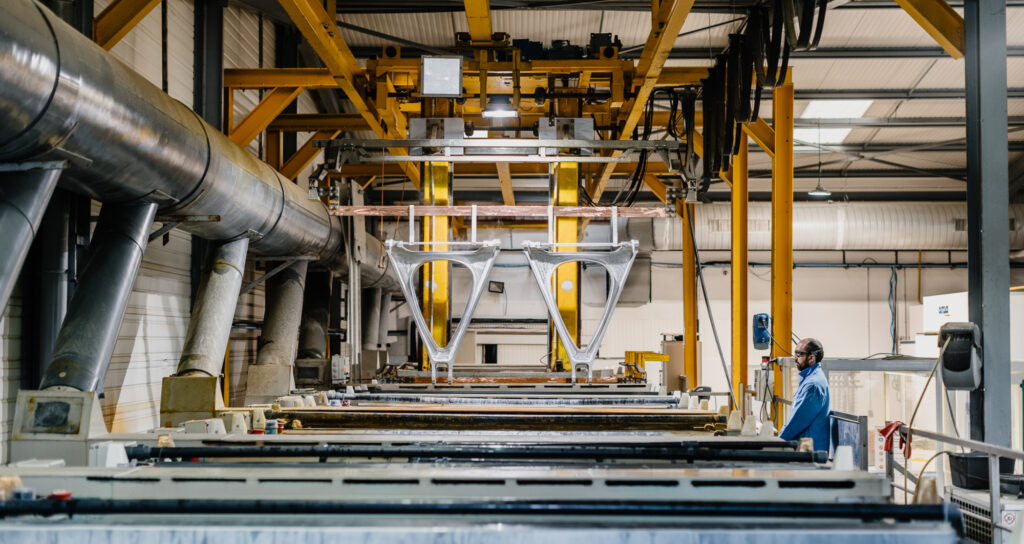

How to Protect Your E-coat Line Conveyor
You can stop conveyor contamination by upgrading a few key mechanical parts. These solutions prevent debris from reaching your e-coat line chemistry.
Automatic Lubrication Systems
Switching to an automatic lubrication system eliminates human error. These systems apply a precise, “dry-film” lubricant to the chain links. Unlike heavy grease, dry-film lubricants do not drip when they get hot. The system only fires a tiny mist when the chain moves, which keeps the rail smooth without creating excess oil runoff.
Chain Cleaning Systems
Install a powered brush or ultrasonic cleaner on the return loop of your conveyor. These brushes scrub the chain and the track as they pass by. By removing metal shavings and factory dust before the chain enters the e-coat line, you keep the overhead environment clean. A clean chain means a clean bath.
Drip Tray Integration
The most effective physical barrier is a stainless steel drip tray. You should install these trays under the conveyor rail throughout the entire length of the e-coat line. These trays catch any falling particles or fluid. When combined with specialized “C-hooks” that offset the part from the chain path, you create a “zero-drop” zone above your coating tanks.