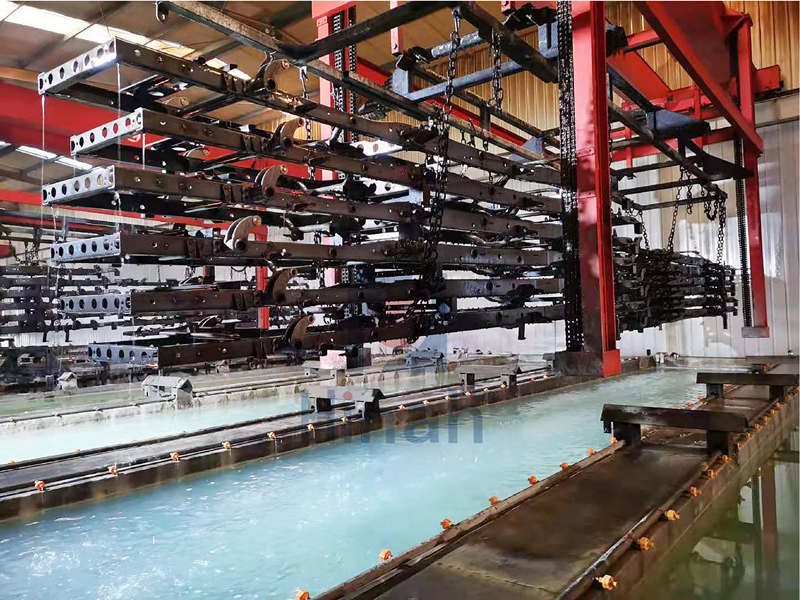
For decades, manufacturers relied on traditional spray painting to protect metal parts. However, the industry has shifted. Most modern factories now choose electro-deposition over old methods. Specifically, cathodic electrocoating (also known as CED or KTL) has become the dominant choice for high-quality priming.
This process uses an electric current to pull paint particles onto a metal surface. It creates a tight, uniform bond that simple spraying cannot match. Global manufacturers now treat this technology as the “gold standard” for corrosion protection. Let’s examine why this specific method took over the metal finishing market.
The Science of Superiority: How Cathodic Electrocoating Works
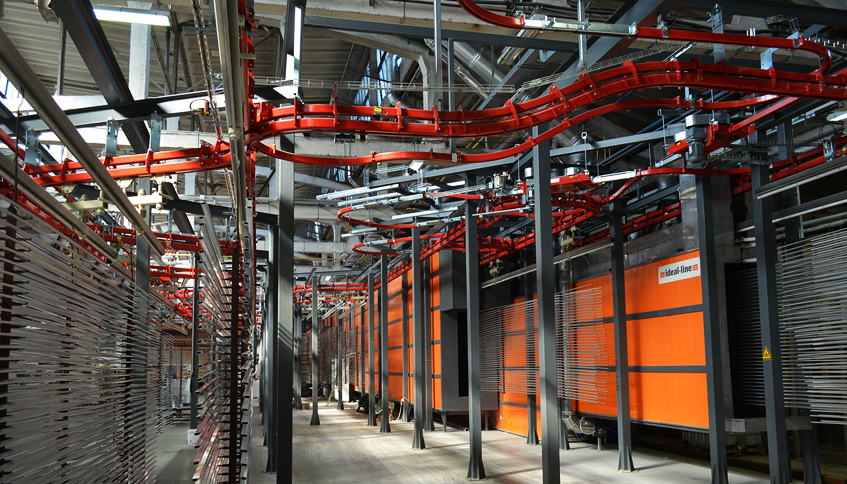
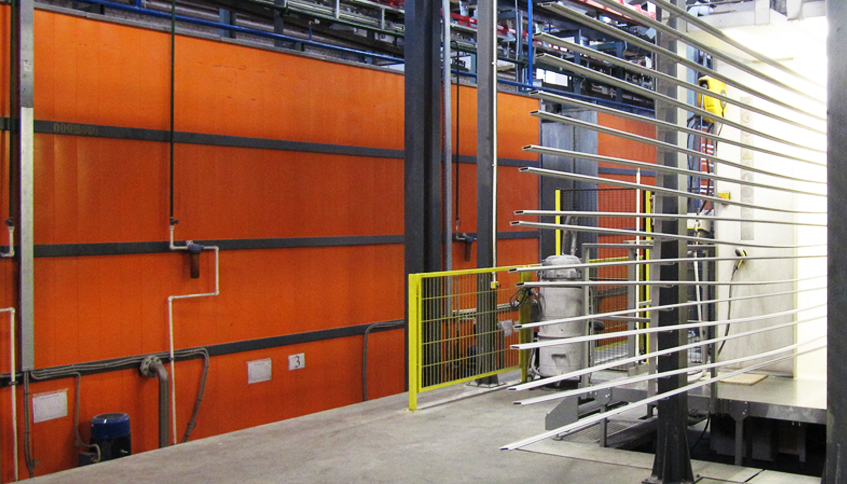
The process relies on a simple scientific principle: opposites attract. Inside a massive coating tank, the system gives the paint particles a positive charge. At the same time, the equipment gives the metal part a negative charge. This makes the workpiece the cathode. As soon as the part enters the liquid, the electric field pulls the paint toward the metal surface with incredible force.
The Chemistry of cathodic electrocoating provides a major technical advantage over older “anodic” systems. In anodic coating, the metal part acts as the anode, which often causes small amounts of metal to dissolve into the paint bath. This weakens the finish. In contrast, the cathodic process creates an alkaline environment at the surface. This environment does not attack the metal. Instead, it protects the substrate and builds a much stronger, cleaner bond between the paint film and the steel. This ensures the coating stays attached even under extreme physical stress.
Unmatched Corrosion Resistance of Cathodic Electrocoating
Standard coatings often fail when moisture or salt air hits the metal. They peel or bubble, leading to rust. Cathodic electrocoating solves this problem by using high-performance epoxy resins. These resins act as a heavy-duty barrier that blocks water, oxygen, and chemicals from reaching the metal.
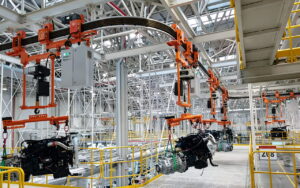
When we look at laboratory results, the difference is clear. In standard salt spray tests, cathodic coatings often last two to three times longer than anodic coatings. Achieving maximum durability through advanced cathodic electrocoating formulations means your products can survive years of harsh weather or industrial use. This high level of protection is exactly why the automotive and heavy machinery industries use it for every chassis and frame they build. It turns a basic metal part into a product that lasts for decades.
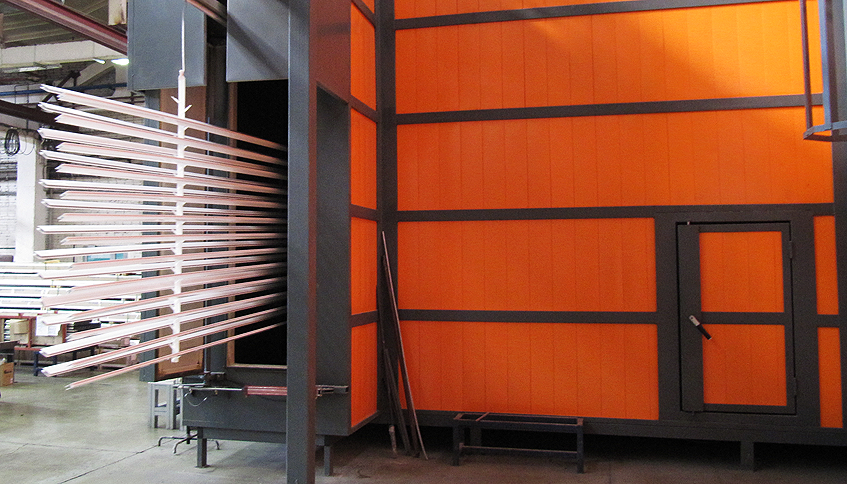
Precision Engineering: High Throw Power and Uniformity
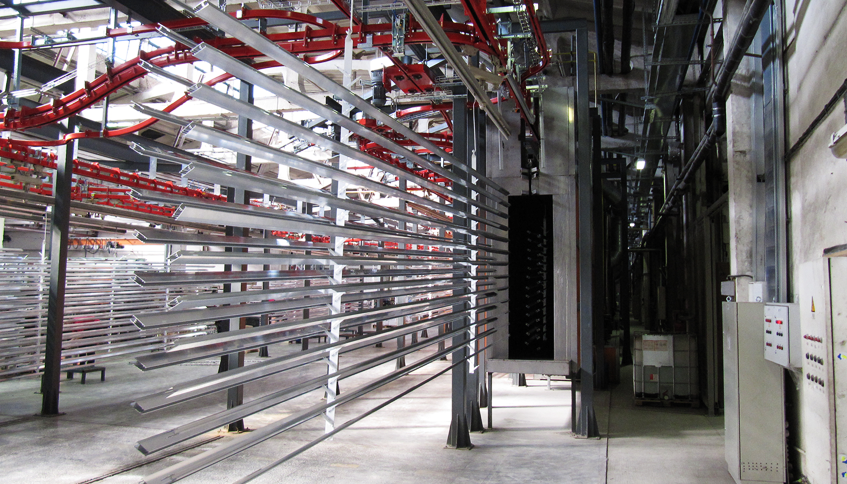
Traditional spray guns or powder systems often struggle with “shadow areas.” They miss deep holes, internal corners, or the inside of tubes. Engineers call the ability to coat these hidden areas “throw power.” Cathodic electrocoating systems offer the highest throw power in the industry today.
Because the paint follows an electric field, it forces the particles into every recessed area and sharp edge. As the paint builds up to the correct thickness, that specific spot begins to resist electricity. This resistance automatically forces the remaining paint to move to the next uncoated spot. This “self-limiting” feature ensures a perfectly even thickness across the entire part, regardless of how complex the shape is. You get a consistent finish on complex geometries, eliminate human error, and stop wasting expensive coating material. This precision is why manufacturers trust it for the most intricate industrial components.