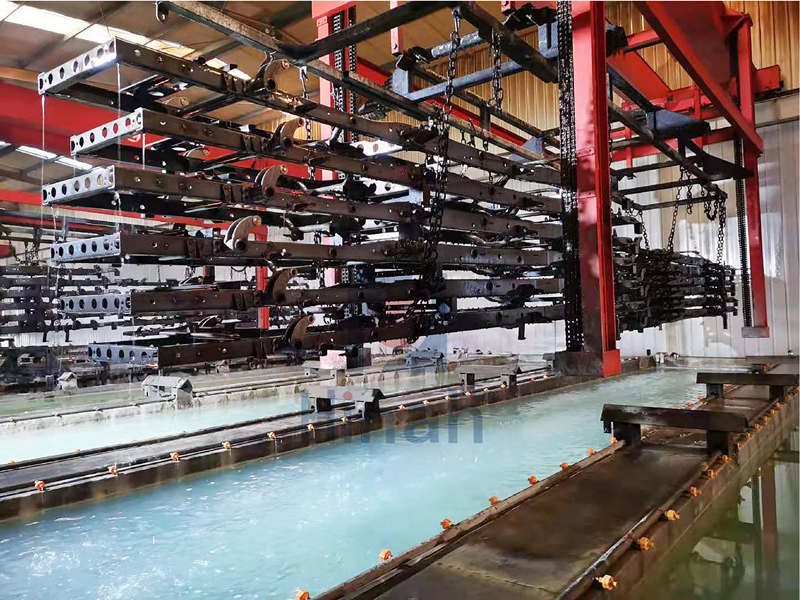
Can you use cathodic electrocoating on any metal? The short answer is yes—as long as the metal conducts electricity. When you submerge a part into a cathodic electrocoating line, the electric current pulls the paint particles into every tight corner and sharp edge.
However, some metals perform much better than others in this process. While this technology works incredibly well on ferrous metals like steel and iron, certain non-ferrous alloys like aluminum require specific care. Choosing the right metal substrate directly affects your final coating quality, paint adhesion, and long-term rust protection. Let’s look at the best metals for this process and how they react inside the coating tank.
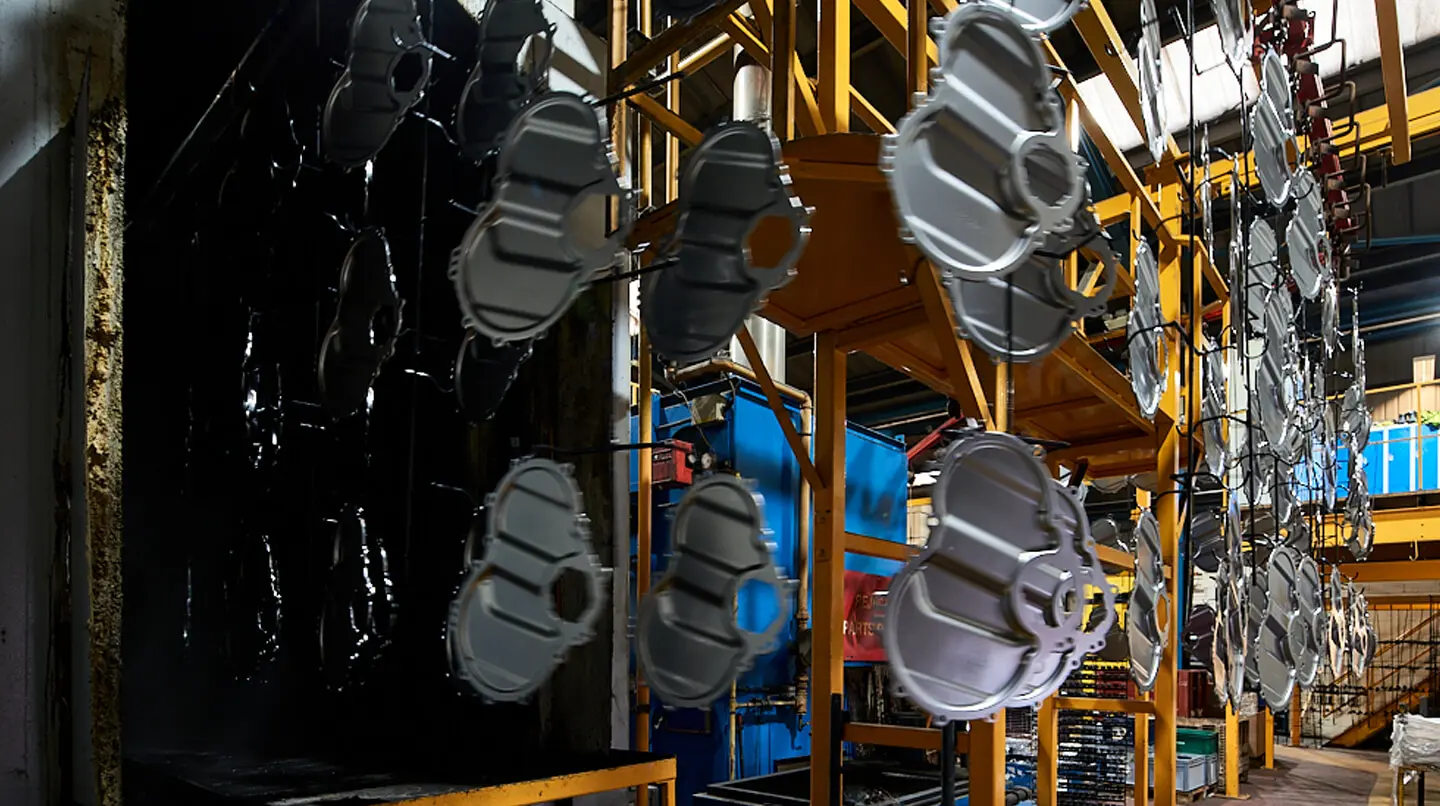
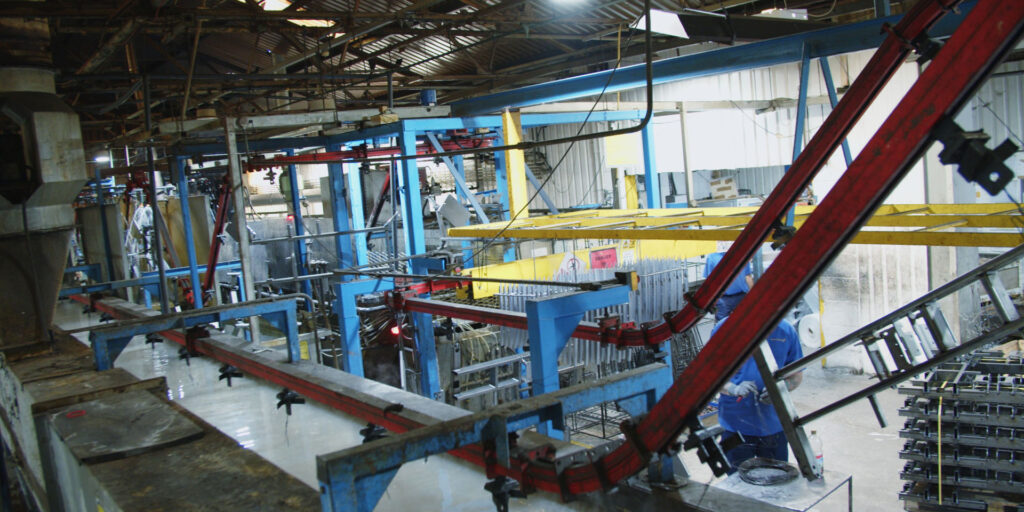
Top 4 Metals Best Suited for Cathodic Electrocoating
- Cold-Rolled & Hot-Rolled Steel (The Industry Standard)
Steel is the most common metal you will see in a cathodic electrocoating line. It conducts electricity perfectly and bonds tightly with zinc or manganese phosphate during the pretreatment stage. Manufacturers rely on this combination for automotive bodies, heavy brackets, and structural steel frames because it creates an unbreakable barrier against rust.
- Galvanized Steel (The Maximum Protection Combo)
Galvanized steel already has a protective zinc layer, but adding a cathodic e-coat takes protection to the next level. The electric current easily flows through the zinc coating. Together, these two layers provide maximum rust prevention, making this setup ideal for outdoor heavy machinery, utility boxes, and marine components.
- Aluminum Alloys (Lightweight & High Adhesion)
Aluminum works wonderfully in this process, but it requires a bit of preparation. This metal quickly forms a natural oxide layer on its surface, which can block the electric current. Once your pretreatment wash removes this layer, the cathodic electrocoating process applies a perfectly smooth, thin primer. This is a massive advantage for aerospace parts, EV battery enclosures, and consumer electronics.
- Iron Castings (Sealing Porous Surfaces)
Cast iron parts often contain tiny pores and microscopic air pockets. Traditional spray paint usually skips right over these holes, leaving bare metal exposed to moisture. Because our process completely submerges the part in a liquid tank, the paint forces its way into every tiny pore. It seals the casting from the inside out.
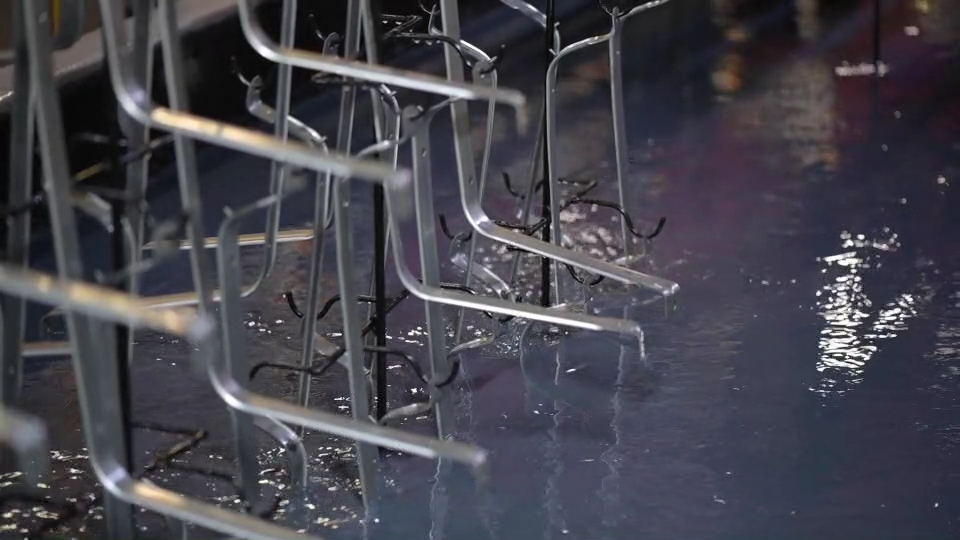
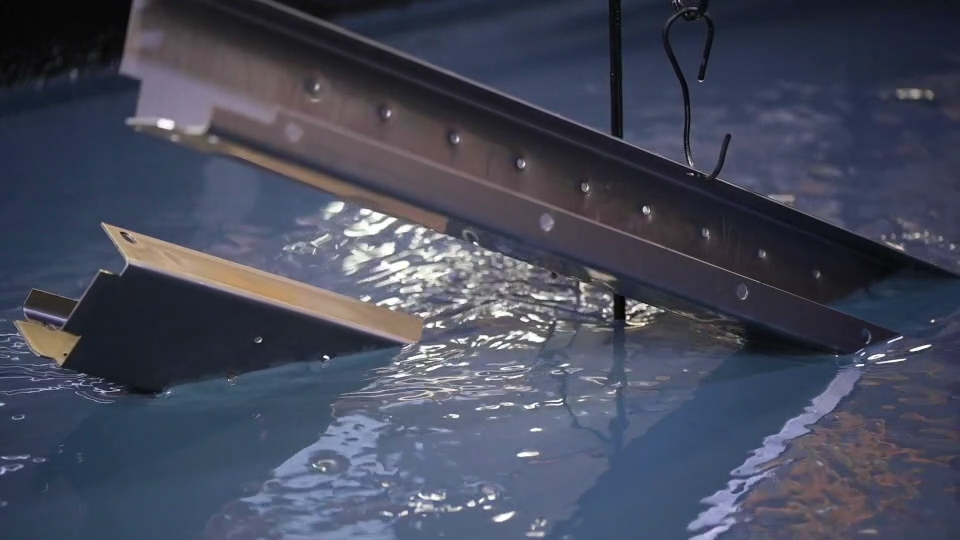
Which Metal Requires Special Pretreatment in E-coating Line?
Handling copper, brass, and stainless steel require special pretreatement in e-coating line.
Can you run copper, brass, or stainless steel through a standard line? You can, but these metals behave differently under an electric current. Stainless steel, for example, has a highly stable passive film on its surface. Copper and brass conduct electricity extremely well, but they can discolor or contaminate the chemical bath if you do not manage them correctly.
To handle these materials, you must adjust your setup. Advanced cathodic electrocoating equipment allows operators to fine-tune the voltage settings and chemical balance for these specific alloys. Proper rinsing and specialized acid washes in the pretreatment stage ensure that the paint bonds correctly without ruining the finish or destabilizing the liquid in your main tank.
Key Benefits of Choosing the Right Metal for Cathodic Electrocoating
Unmatched Corrosion Resistance
When you pair the right metal with a high-quality line, the results are incredible. Steel and aluminum parts coated through this method regularly pass 1,000-hour salt spray tests without a single speck of rust. The paint forms a tight, chemical bond with the metal surface that moisture simply cannot penetrate.
100% Throwing Power
Spray guns always struggle with complex metal geometries. They miss the inside of tubes, sharp corners, and deep recesses. The cathodic electrocoating process solves this completely through “throwing power.” Because the paint follows the electrical current, it naturally seeks out bare metal. As outer areas get coated and become insulated, the current pushes the paint deeper into the most complex shapes until it covers every square millimeter.
Maximum Cost Efficiency
Traditional liquid spraying wastes a massive amount of paint through overspray. This process liquidizes your efficiency. Because you submerge the parts, you only use the exact amount of paint that sticks to the metal. Ultrafiltration systems recycle the excess paint back into the main tank, keeping your material waste near zero and saving your factory thousands of dollars in raw materials.