Electrophoretic Coating Secrets: Achieve Zero-Defect Surface Finishing
Imagine investing time, effort, and resources into a coating process, only to end up with imperfections—craters, uneven thickness, or adhesion failures. Frustrating, right? In the

E Coating vs Powder Coating: Which Suits You Better?
In manufacturing, the right surface coating isn’t just about aesthetics—it’s a critical defense against corrosion, wear, and environmental damage. Yet, with options like e coating
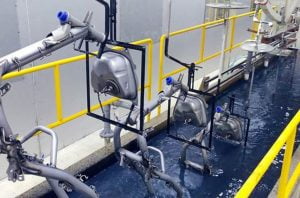
E-Coating Line: 3 Advanced Methods to Reduce Energy Costs
E-coating line is a key process in the automotive, electronics and other manufacturing industries, but its high energy consumption is becoming an “invisible burden” on
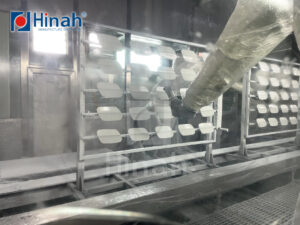
Liquid Coating Line Maintenance Checklist: Avoid 90% of Downtime
In the metal surface treatment, liquid coating line plays a vital role due to their unmatched efficiency and precision in achieving high-quality coatings. Industries relying
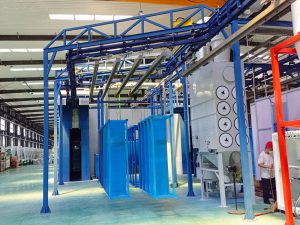
The Ultimate Guide to Maintenance-Free Electrocoating Conveyor Solutions
In the e-coating line, traditional electrocoating conveyor systems often require frequent maintenance due to mechanical wear, contamination, and operational inefficiencies. It faces many challenges,such as
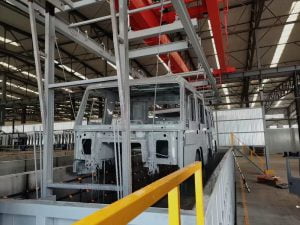
Are You Making These 3 Critical Mistakes in Pretreatment Coating Systems Maintenance?
In the modern coating industry, pretreatment coating systems are crucial to the quality of the coating, which directly affect the adhesion, corrosion resistance and overall
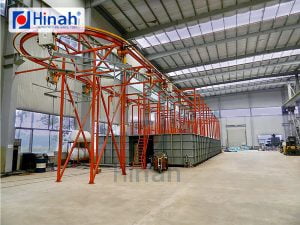
A-Coating vs E-Coating: Which One is Better?
In the coating industry, a-coating and e-coating are two common coating technologies, which have been widely used in many fields such as automobile manufacturing, home
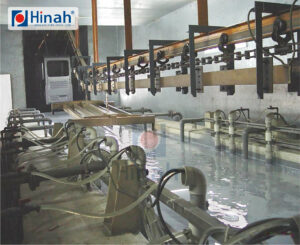
Why is environmental equipment a necessary investment in the e-coating line?
In recent years, electrocoating technology has become a popular choice in the automotive, home appliance and other industrial fields due to its environmental friendliness, high
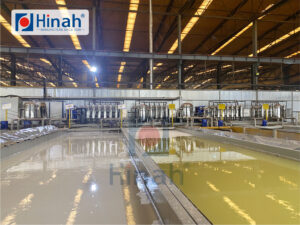
Cross-Industry Applications Explode: E-Coating Line Takes Over 6 Emerging Sectors
With technological advancements in manufacturing, The e-coating line is no longer limited to traditional applications. These lines are progressively penetrating various emerging sectors, creating new opportunities
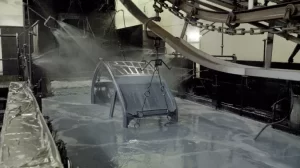
How an E-Coating Line Ensures Uniform Paint Coverage?
Imagine a car body fresh from the assembly line or a circuit board that will power tomorrow’s technology. Before either reaches the customer, it needs
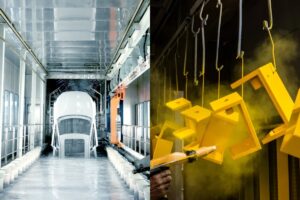
E Coating vs Powder Coating: Key Differences Between Paints
When it comes to painting metal surfaces, choosing the right coating can make all the difference. E coating vs powder coating paints may seem similar
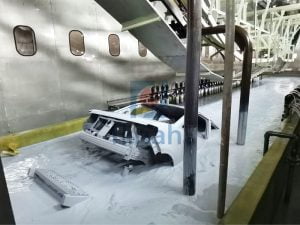
Dealing with Electrocoating Sediment: to Restore Coating Quality
In a well-run e-coating line, consistency is everything. So when sediment appears after coating, even in small amounts, it can quickly disrupt production flow, compromise
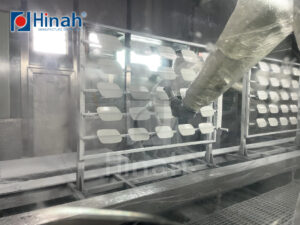
How a Liquid Coating Line Improves Finish Quality
A raw metal panel enters one end of the liquid coating line—dull, uneven, and vulnerable to corrosion. Minutes later, it exits with a flawless, high-gloss
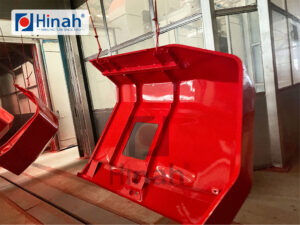
What Factors Affect Coating Uniformity in Electrophoresis Coating Line?
Coating uniformity is one of the most critical quality indicators in an electrophoresis coating line, directly impacting corrosion resistance, appearance, and overall product performance. In
Choosing the Right Electrocoating Conveyor for Your E-Coat Line
If you’re planning or upgrading an e-coat line, there’s one part of the system you really don’t want to overlook—the electrocoating conveyor. It’s not just
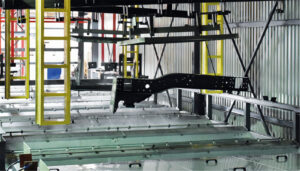
Best Practices for E-Coating Tank Care in Your E-Coating Line
The e-coating tank is the heart of your e-coating line, where the critical electrochemical deposition process occurs. Its proper design, operation, and maintenance directly determine
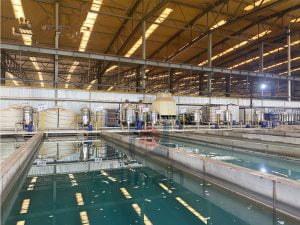
Optimizing Pretreatment Stages in E Coat Line for Adhesion
Electrocoating (e-coating) is a foundational process for achieving superior corrosion protection and uniform finish adhesion on metal substrates across automotive, appliance, and industrial applications. However,
Common Bottlenecks in the E-Coating Line Workflow—And How to Solve Them
In an e-coating line, smooth workflow is essential to maintaining high-quality finishes, consistent output, and operational efficiency. However, even the most advanced systems can encounter