Why Is Rust Still Occurring After Using an E-Coat Line?
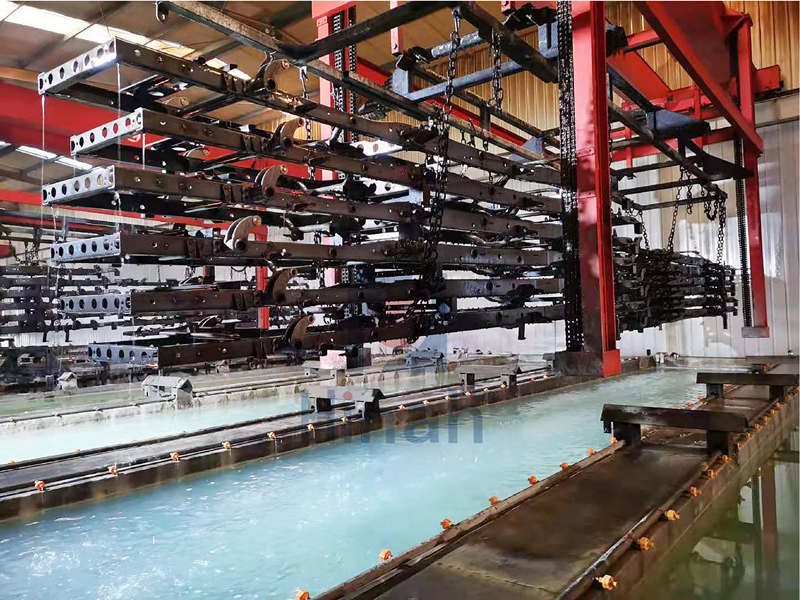
Rust problems after e-coat line can be confusing. The metal parts have already gone through cleaning, coating, and curing, but corrosion still appears during testing or after the products are used in the field. So why does this happen? In most cases, rust after e-coating does not come from the coating process alone. It is […]
Can electrophoretic coating line reduce corrosion issues in coastal areas?
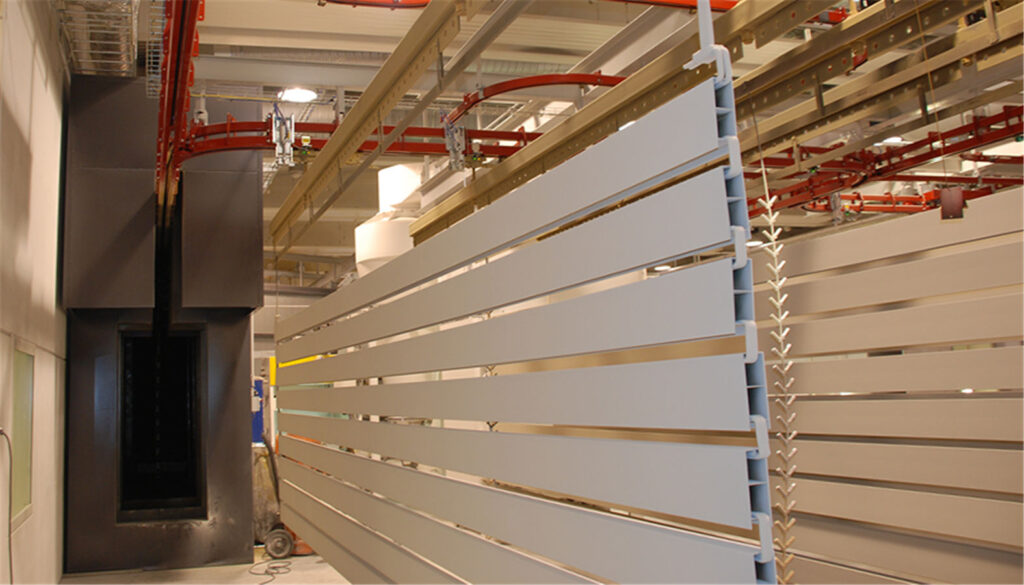
When a metal product is used near the coast, corrosion often appears much sooner than expected. A component that performs well inland may start showing signs of rust after prolonged exposure to salt-laden air and high humidity. This is why corrosion protection has become a key consideration in industries such as automotive, construction equipment, electrical […]
How Much Space and Power Does a Standard Automotive E-Coating Line Require?
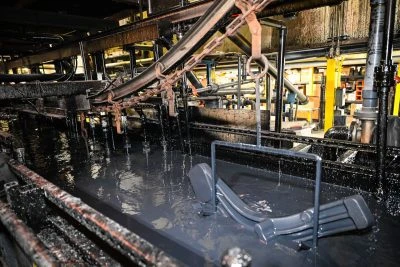
Designing an automotive e-coating line is a massive undertaking. For automotive bodies and heavy-duty chassis parts, you cannot afford to guess your facility requirements. Underestimating your physical space or power capacity will halt your project, while over-engineering will drain your capital. Whether you are planning a new factory layout or upgrading an existing facility, you […]
Is Liquid Coating Line Better Than Powder Coating for Outdoor Metal Products?
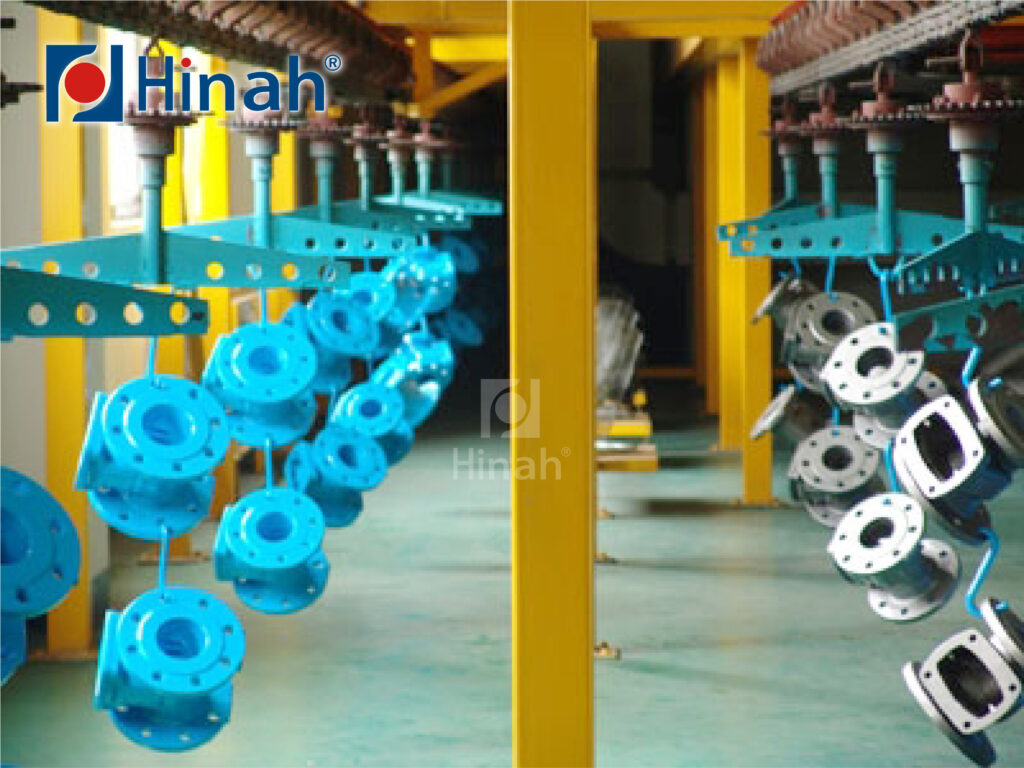
When choosing a coating solution for outdoor metal products, we often face a difficult decision: should they invest in a liquid coating line or choose powder coating system? Both technologies have been widely used in metal finishing. However, they are designed for different production needs. Powder coating is known for its efficiency and environmental advantages, […]
How Often Should E-Coat Tank Be Replaced?
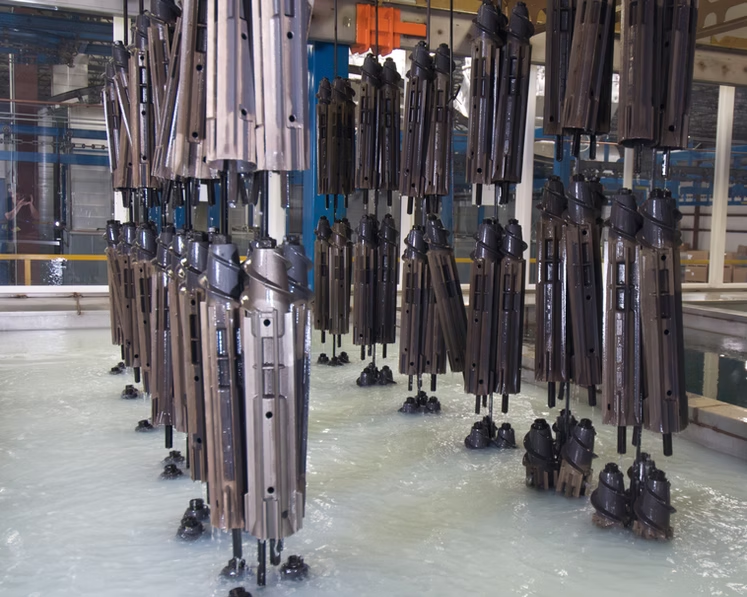
An e-coat tank typically needs replacement every 10 to 20 years. In well-maintained production lines, it may last over 20 years. In harsh operating conditions, replacement may be necessary in as little as 8 to 10 years. The actual lifespan depends on tank material, bath chemistry, production volume, and maintenance quality. If your e-coat tank shows severe […]
How Long Does an Electrophoretic Coating Process Take?
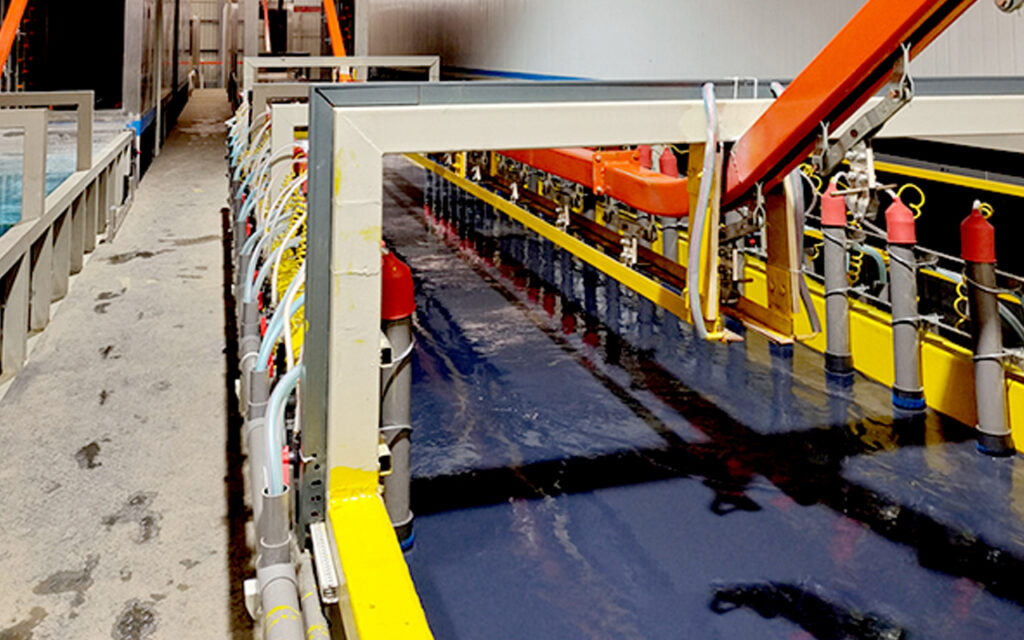
The complete electrophoretic coating process usually takes 30 to 90 minutes, depending on part size, coating requirements, pretreatment quality, and curing conditions. In most industrial production lines, the coating stage itself lasts only a few minutes. However, cleaning, pretreatment, rinsing, drying, and curing add significant time to the overall cycle. For manufacturers that require high […]
What Types of Metals are Best Suited for Cathodic Electrocoating?
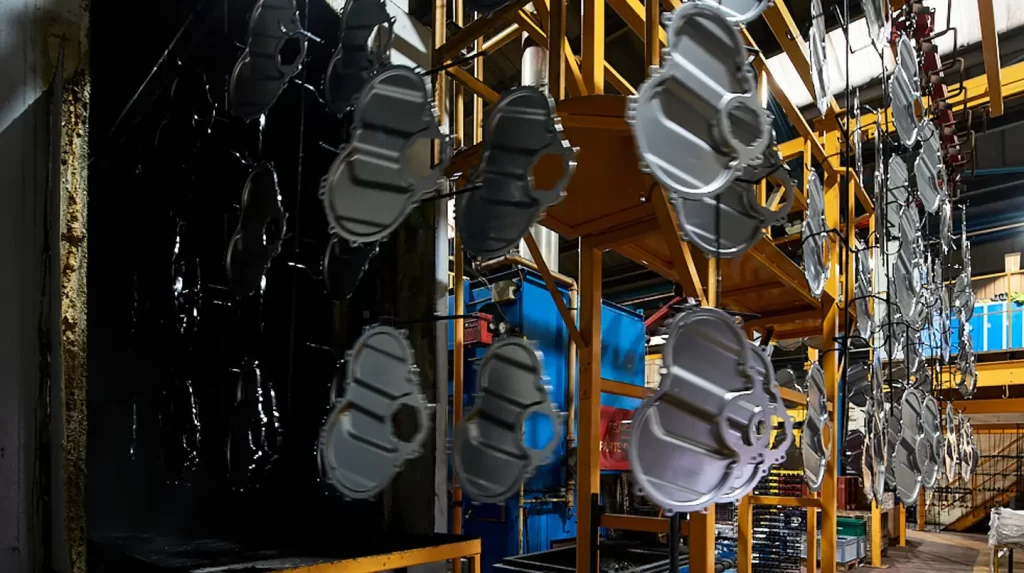
Can you use cathodic electrocoating on any metal? The short answer is yes—as long as the metal conducts electricity. When you submerge a part into a cathodic electrocoating line, the electric current pulls the paint particles into every tight corner and sharp edge. However, some metals perform much better than others in this process. While […]
How Much Carbon Can Your Electrophoretic Coating Oven Save?
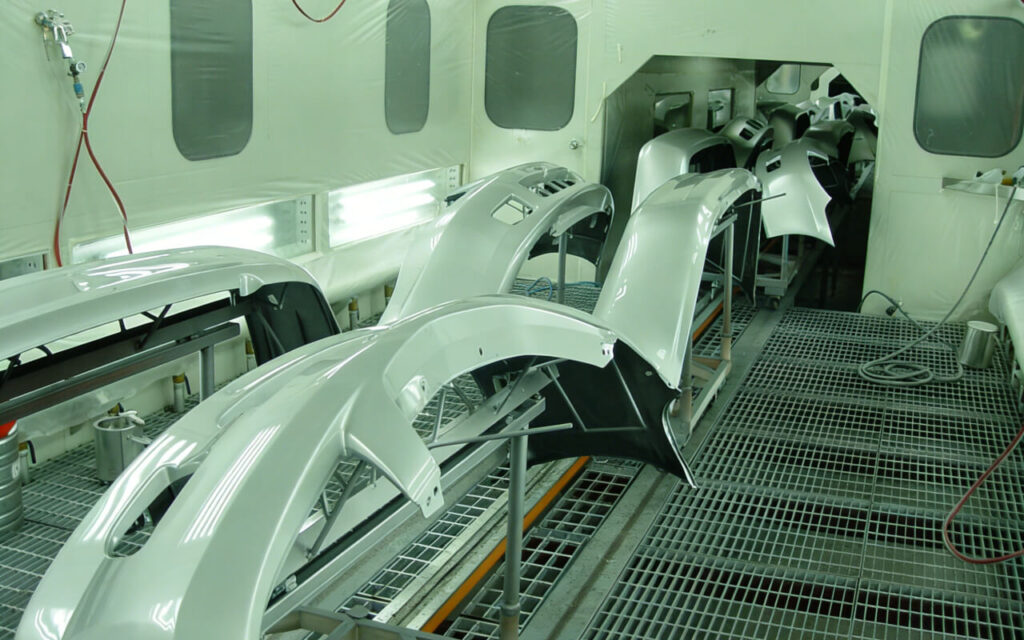
Industrial manufacturing is entering a new era. Today, a successful electrophoretic coating shop must do more than just produce durable products. It must also protect our planet. Every factory manager shares a common goal: we need to lower our carbon footprint and transition to cleaner production. The curing stage is the most energy-intensive part of […]
How Much Water Does Your E-Coat Line Waste?
Metal finishing shops use a massive amount of water. In an e-coat line shop, the pre-treatment and electrocoating stages consume more water than any other process. Most of this water goes toward rinsing parts between chemical baths. Every gallon of water down the drain costs you money twice. First, you pay for the fresh water […]
Why Does Your E-Coat Line Have Cratering?
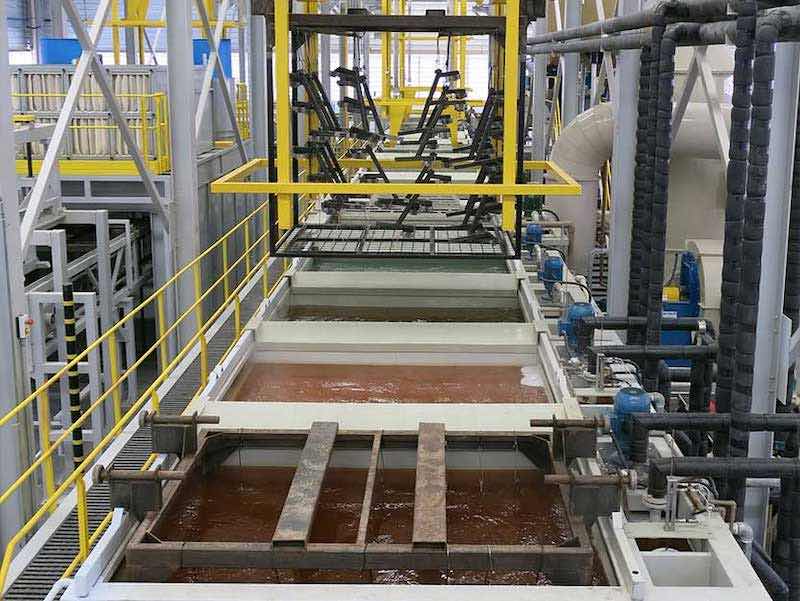
Cratering is one of the most frustrating defects in electrodeposition. You run your parts, and instead of a smooth, uniform finish, you get small, bowl-shaped depressions across the surface. These craters do more than just look bad. They break the protective paint film, expose the raw metal underneath, and trigger early rust. At its core, […]