Why Does Your E-Coat Line Have Cratering?
Cratering is one of the most frustrating defects in electrodeposition. You run your parts, and instead of a smooth, uniform finish, you get small, bowl-shaped
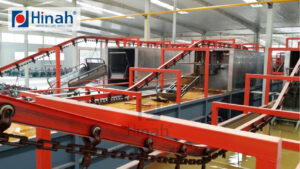
Automotive E-Coating Line: Is Your Infrastructure Ready?
Building a professional automotive e-coating line requires more than just a paint tank. It demands a robust foundation of power, water, and thermal engineering to
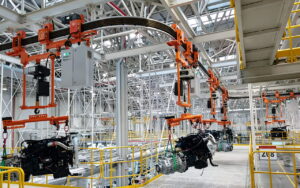
How to Eliminate the “Faraday Cage Effect” in Electrophoretic Coating?
Why do some metal parts come out of the tank looking perfect on the outside but stay completely bare in the corners? This is the

Why Is Your E-Coat Line Finish Peeling or Bubbling?
You just finished a production run, but the results are a disaster. The coating is lifting off the metal like old tape, or worse, it’s
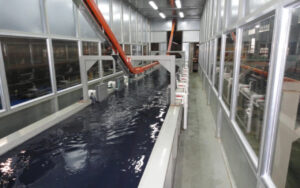
Why Is Your Conveyor Speed Out of Sync with the E-coat Tank Dwell Time?
The balance between your conveyor speed and coating chemistry is the heartbeat of a successful finishing operation. In a perfect setup, the mechanical movement of
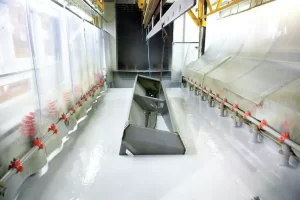
What is the Difference Between Electroplating and Electrophoretic Coating?
Choosing between electroplating and electrophoretic coating can be a tough call. Both methods use electrical currents to apply a protective layer to metal parts, but
Why Cathodic Electrocoating becomes the Industry Standard?
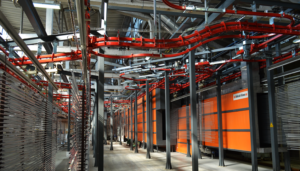
For decades, manufacturers relied on traditional spray painting to protect metal parts. However, the industry has shifted. Most modern factories now choose electro-deposition over old

The Science Behind Coating Cracking in Electrocoating Systems
Electrocoating is the gold standard for modern industrial finishing. It provides unmatched corrosion resistance and covers every corner of a complex metal part. However, even
Choosing the Right Anode Cells for Your E-coat Line
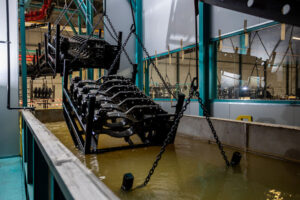
Most factory managers focus on the power supply when coating quality drops. However, your anodes actually do the heavy lifting in the tank. If you

Electrophoretic Coating Secrets: Achieve Zero-Defect Surface Finishing
Imagine investing time, effort, and resources into a coating process, only to end up with imperfections—craters, uneven thickness, or adhesion failures. Frustrating, right? In the

E Coating vs Powder Coating: Which Suits You Better?
In manufacturing, the right surface coating isn’t just about aesthetics—it’s a critical defense against corrosion, wear, and environmental damage. Yet, with options like e coating
E-Coating Line: 3 Advanced Methods to Reduce Energy Costs
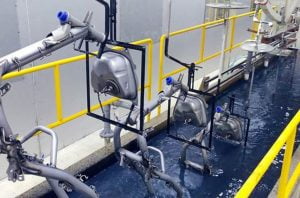
E-coating line is a key process in the automotive, electronics and other manufacturing industries, but its high energy consumption is becoming an “invisible burden” on
Liquid Coating Line Maintenance Checklist: Avoid 90% of Downtime
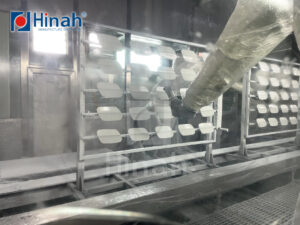
In the metal surface treatment, liquid coating line plays a vital role due to their unmatched efficiency and precision in achieving high-quality coatings. Industries relying
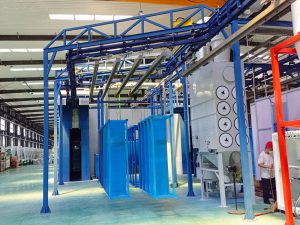
The Ultimate Guide to Maintenance-Free Electrocoating Conveyor Solutions
In the e-coating line, traditional electrocoating conveyor systems often require frequent maintenance due to mechanical wear, contamination, and operational inefficiencies. It faces many challenges,such as
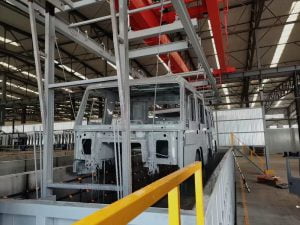
Are You Making These 3 Critical Mistakes in Pretreatment Coating Systems Maintenance?
In the modern coating industry, pretreatment coating systems are crucial to the quality of the coating, which directly affect the adhesion, corrosion resistance and overall
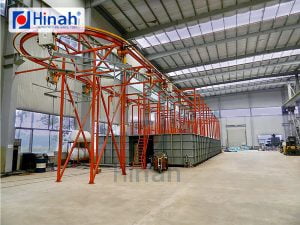
A-Coating vs E-Coating: Which One is Better?
In the coating industry, a-coating and e-coating are two common coating technologies, which have been widely used in many fields such as automobile manufacturing, home
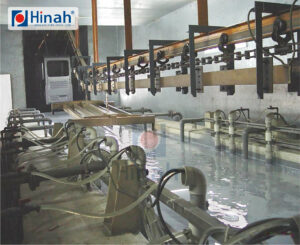
Why is environmental equipment a necessary investment in the e-coating line?
In recent years, electrocoating technology has become a popular choice in the automotive, home appliance and other industrial fields due to its environmental friendliness, high
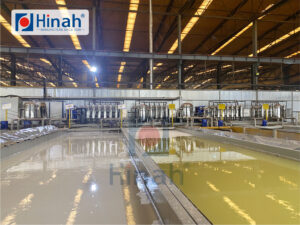
Cross-Industry Applications Explode: E-Coating Line Takes Over 6 Emerging Sectors
With technological advancements in manufacturing, The e-coating line is no longer limited to traditional applications. These lines are progressively penetrating various emerging sectors, creating new opportunities