Why Is Rust Still Occurring After Using an E-Coat Line?
Rust problems after e-coat line can be confusing. The metal parts have already gone through cleaning, coating, and curing, but corrosion still appears during testing
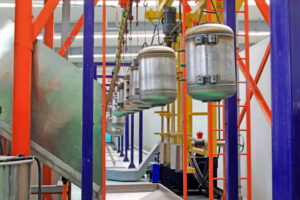
Can electrophoretic coating line reduce corrosion issues in coastal areas?
When a metal product is used near the coast, corrosion often appears much sooner than expected. A component that performs well inland may start showing
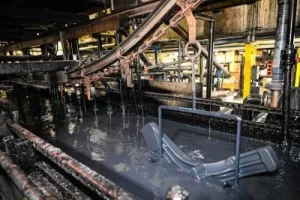
How Much Space and Power Does a Standard Automotive E-Coating Line Require?
Designing an automotive e-coating line is a massive undertaking. For automotive bodies and heavy-duty chassis parts, you cannot afford to guess your facility requirements. Underestimating
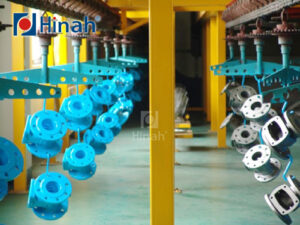
Is Liquid Coating Line Better Than Powder Coating for Outdoor Metal Products?
When choosing a coating solution for outdoor metal products, we often face a difficult decision: should they invest in a liquid coating line or choose
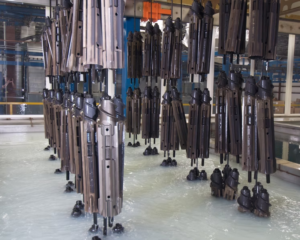
How Often Should E-Coat Tank Be Replaced?
An e-coat tank typically needs replacement every 10 to 20 years. In well-maintained production lines, it may last over 20 years. In harsh operating conditions, replacement
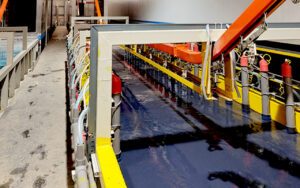
How Long Does an Electrophoretic Coating Process Take?
The complete electrophoretic coating process usually takes 30 to 90 minutes, depending on part size, coating requirements, pretreatment quality, and curing conditions. In most industrial
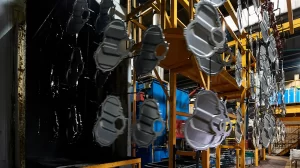
What Types of Metals are Best Suited for Cathodic Electrocoating?
Can you use cathodic electrocoating on any metal? The short answer is yes—as long as the metal conducts electricity. When you submerge a part into
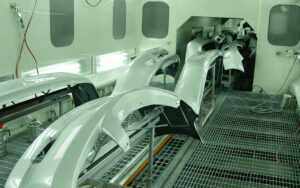
How Much Carbon Can Your Electrophoretic Coating Oven Save?
Industrial manufacturing is entering a new era. Today, a successful electrophoretic coating shop must do more than just produce durable products. It must also protect
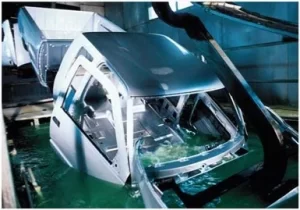
How Much Water Does Your E-Coat Line Waste?
Metal finishing shops use a massive amount of water. In an e-coat line shop, the pre-treatment and electrocoating stages consume more water than any other
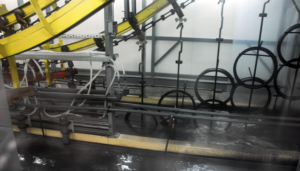
What You Should Know Before Upgrading Electrocoating Conveyor System
Upgrading an existing electrocoating line is never just about replacing hardware — especially when the conveyor system is involved. As the silent backbone of the
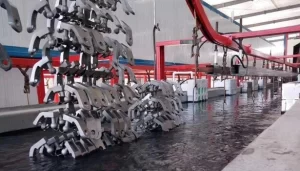
Dealing with Bath Contamination in Electrophoretic Coating Line
In an electrophoretic coating line, the stability and purity of the coating bath determine the overall coating quality. Even the most advanced equipment cannot deliver
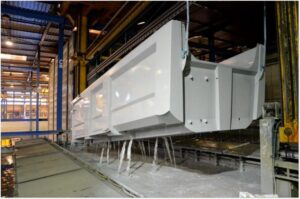
How to Reduce Paint Waste in Electrophoretic Painting Process
Walk into any factory running an electrophoretic painting line, and you’ll hear the steady hum of pumps, the rhythmic movement of conveyors, and the quiet
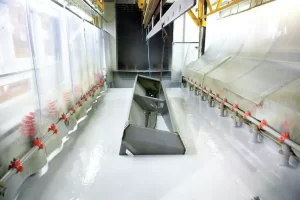
How to Prevent Contamination in Electrophoretic Coating Tank
When it comes to achieving a flawless electrophoretic coating, most focus on voltage, bath chemistry, or curing temperature. But there’s another, often-overlooked factor quietly affecting
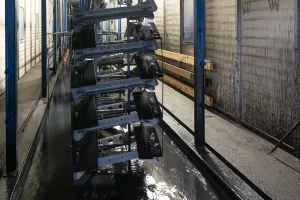
Why Electrophoresis Coating Line Redefines Protection
Metal is everywhere around us—shaping the cars we drive, the appliances we use every day, and the structures that hold our cities together. Yet no
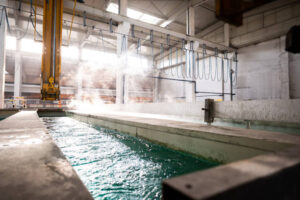
Achieving Uniform Electrophoretic Coating on Intricate Components
In today’s manufacturing world, products are rarely simple in shape. From automotive parts with deep recesses to electronics housings with sharp edges, components are becoming
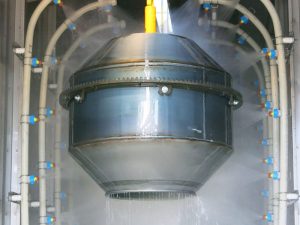
The Silent Problems Hiding in Prepreatment Coating Systems
When everything looks smooth on the surface, it’s easy to believe a prepreatment coating system is running perfectly. Parts move through the line, chemicals are
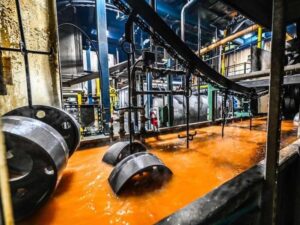
Electrocoating Conveyor: The Backbone of a Smooth E-Coating Line
In any e-coating line, smooth and uninterrupted movement of parts is essential. While the coating process itself often gets the spotlight, the real backbone of
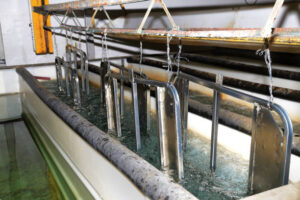
How to Control Film Thickness in an Electrophoresis Coating Line?
Imagine a perfectly coated metal surface—smooth, uniform, and built to withstand years of exposure without a trace of rust. Achieving this result doesn’t happen by