Why Do Pinholes Appear After Electrocoating?
A freshly coated part can look fine when it leaves the tank, yet tiny holes may become visible after rinsing or curing. Some appear as
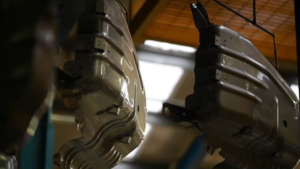
Why Is Electrocoating Film Thickness Uneven?
Achieving uniform thickness in industrial electrocoating demands precise control over throwpower, bath chemistry, and pretreatment quality. When coating complex metal parts, film buildup isn’t determined
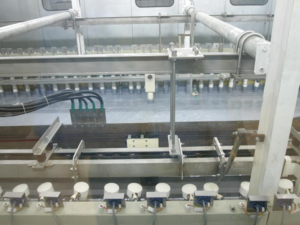
Why Does UF System Get Clogged in E-Coat Line?
An ultrafiltration (UF) system plays an important role in an e-coat line. It separates water and low-molecular-weight materials from the coating bath while retaining useful
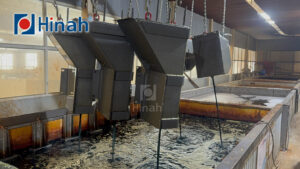
Is E-Coat Line More Environmentally Friendly Than Traditional Painting?
If you are planning a new metal finishing process, environmental performance is probably one of your main concerns. You may wonder whether an e-coat line
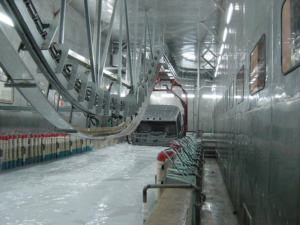
How Does Voltage Affect Film Thickness in E Coat Line?
If the film thickness from an e-coating process is too thin, voltage is often one of the first parameters engineers check. But simply increasing the
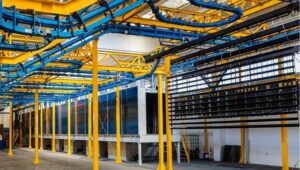
7 Things You Didn’t Know About Electrophoretic Painting Plant for Aluminium
When people talk about aluminium coating, they usually focus on colour, appearance, or surface protection. However, the final coating quality depends on many hidden factors
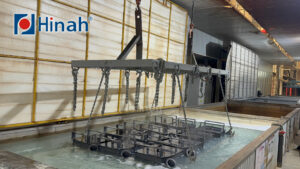
How Does Electric Hoist E-Coat Line Work for Vertical Dipping?
For many coating applications, the biggest challenge is not putting parts into a tank — it is controlling how each part moves inside the coating
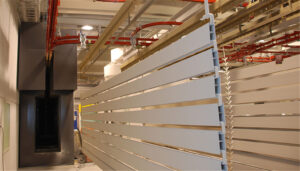
Why Is Rust Still Occurring After Using an E-Coat Line?
Rust problems after e-coat line can be confusing. The metal parts have already gone through cleaning, coating, and curing, but corrosion still appears during testing
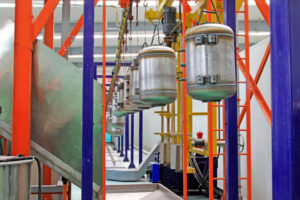
Can electrophoretic coating line reduce corrosion issues in coastal areas?
When a metal product is used near the coast, corrosion often appears much sooner than expected. A component that performs well inland may start showing
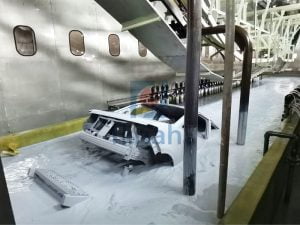
Dealing with Electrocoating Sediment: to Restore Coating Quality
In a well-run e-coating line, consistency is everything. So when sediment appears after coating, even in small amounts, it can quickly disrupt production flow, compromise
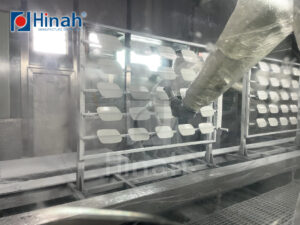
How a Liquid Coating Line Improves Finish Quality
A raw metal panel enters one end of the liquid coating line—dull, uneven, and vulnerable to corrosion. Minutes later, it exits with a flawless, high-gloss
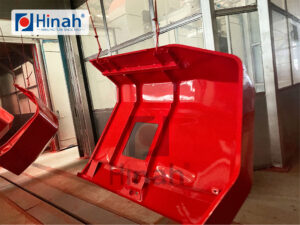
What Factors Affect Coating Uniformity in Electrophoresis Coating Line?
Coating uniformity is one of the most critical quality indicators in an electrophoresis coating line, directly impacting corrosion resistance, appearance, and overall product performance. In
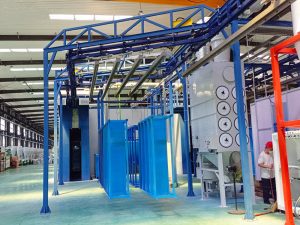
Choosing the Right Electrocoating Conveyor for Your E-Coat Line
If you’re planning or upgrading an e-coat line, there’s one part of the system you really don’t want to overlook—the electrocoating conveyor. It’s not just
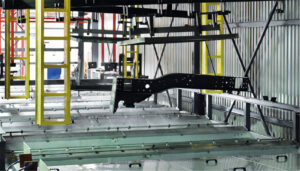
Best Practices for E-Coating Tank Care in Your E-Coating Line
The e-coating tank is the heart of your e-coating line, where the critical electrochemical deposition process occurs. Its proper design, operation, and maintenance directly determine
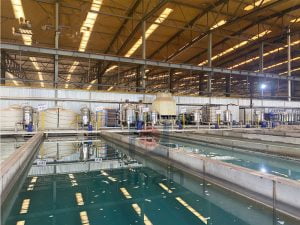
Optimizing Pretreatment Stages in E Coat Line for Adhesion
Electrocoating (e-coating) is a foundational process for achieving superior corrosion protection and uniform finish adhesion on metal substrates across automotive, appliance, and industrial applications. However,
Common Bottlenecks in the E-Coating Line Workflow—And How to Solve Them
In an e-coating line, smooth workflow is essential to maintaining high-quality finishes, consistent output, and operational efficiency. However, even the most advanced systems can encounter
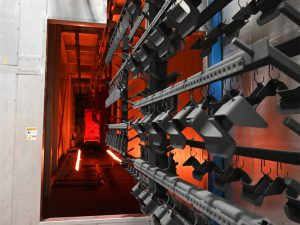
Electrocoating Curing Oven: How to Prevent Bubbles and Craters
Electrocoating delivers exceptional corrosion protection and uniform coverage on metal substrates, making it vital for demanding industrial applications. However, this performance hinges on a critical
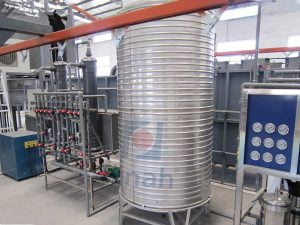
Ultrafiltration (UF) Systems in E Coat Line: Maximizing Paint Recovery & Quality
Ultrafiltration (UF) systems are the critical efficiency engine in modern e-coat lines, transforming waste into value. Without UF technology, electrocoating operations lose over 30% of