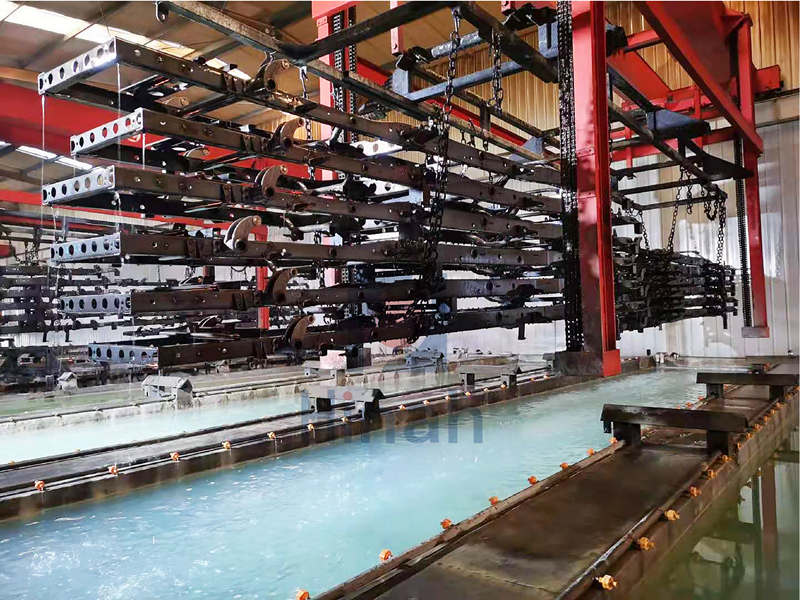
How to Reduce Paint Waste in Electrophoretic Painting Process
Walk into any factory running an electrophoretic painting line, and you’ll hear the steady hum of pumps, the rhythmic movement of conveyors, and the quiet
How to Prevent Contamination in Electrophoretic Coating Tank
When it comes to achieving a flawless electrophoretic coating, most focus on voltage, bath chemistry, or curing temperature. But there’s another, often-overlooked factor quietly affecting
Why Electrophoresis Coating Line Redefines Protection
Metal is everywhere around us—shaping the cars we drive, the appliances we use every day, and the structures that hold our cities together. Yet no
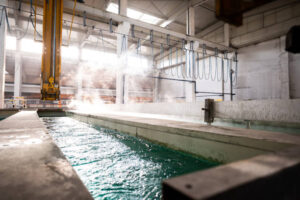
Achieving Uniform Electrophoretic Coating on Intricate Components
In today’s manufacturing world, products are rarely simple in shape. From automotive parts with deep recesses to electronics housings with sharp edges, components are becoming
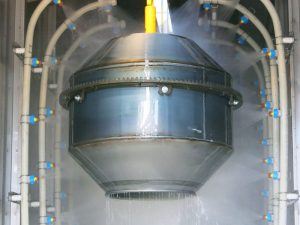
The Silent Problems Hiding in Prepreatment Coating Systems
When everything looks smooth on the surface, it’s easy to believe a prepreatment coating system is running perfectly. Parts move through the line, chemicals are
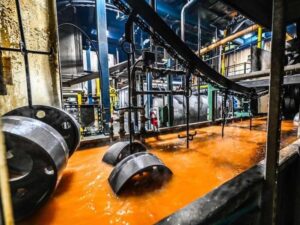
Electrocoating Conveyor: The Backbone of a Smooth E-Coating Line
In any e-coating line, smooth and uninterrupted movement of parts is essential. While the coating process itself often gets the spotlight, the real backbone of
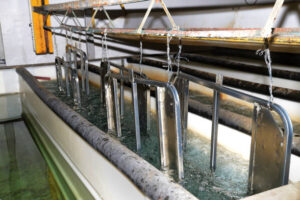
How to Control Film Thickness in an Electrophoresis Coating Line?
Imagine a perfectly coated metal surface—smooth, uniform, and built to withstand years of exposure without a trace of rust. Achieving this result doesn’t happen by
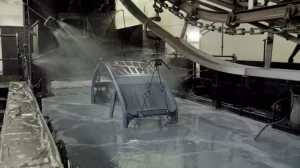
How an E-Coating Line Ensures Uniform Paint Coverage?
Imagine a car body fresh from the assembly line or a circuit board that will power tomorrow’s technology. Before either reaches the customer, it needs
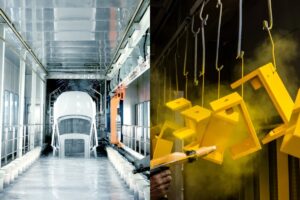
E Coating vs Powder Coating: Key Differences Between Paints
When it comes to painting metal surfaces, choosing the right coating can make all the difference. E coating vs powder coating paints may seem similar
Why Do Pinholes Appear After Electrocoating?
A freshly coated part can look fine when it leaves the tank, yet tiny holes may become visible after rinsing or curing. Some appear as
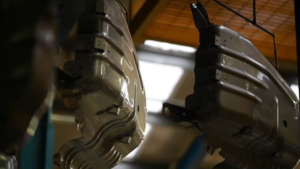
Why Is Electrocoating Film Thickness Uneven?
Achieving uniform thickness in industrial electrocoating demands precise control over throwpower, bath chemistry, and pretreatment quality. When coating complex metal parts, film buildup isn’t determined
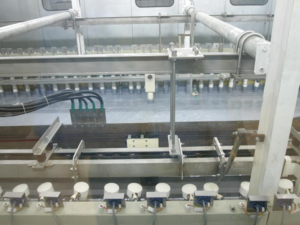
Why Does UF System Get Clogged in E-Coat Line?
An ultrafiltration (UF) system plays an important role in an e-coat line. It separates water and low-molecular-weight materials from the coating bath while retaining useful
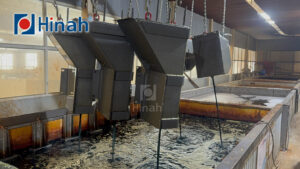
Is E-Coat Line More Environmentally Friendly Than Traditional Painting?
If you are planning a new metal finishing process, environmental performance is probably one of your main concerns. You may wonder whether an e-coat line
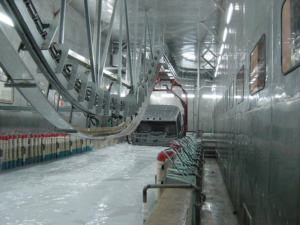
How Does Voltage Affect Film Thickness in E Coat Line?
If the film thickness from an e-coating process is too thin, voltage is often one of the first parameters engineers check. But simply increasing the
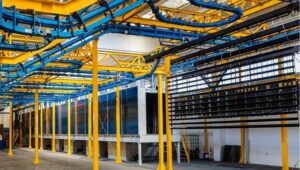
7 Things You Didn’t Know About Electrophoretic Painting Plant for Aluminium
When people talk about aluminium coating, they usually focus on colour, appearance, or surface protection. However, the final coating quality depends on many hidden factors
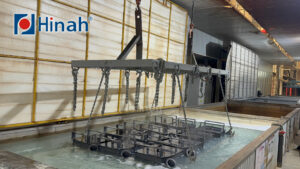
How Does Electric Hoist E-Coat Line Work for Vertical Dipping?
For many coating applications, the biggest challenge is not putting parts into a tank — it is controlling how each part moves inside the coating
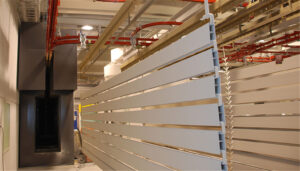
Why Is Rust Still Occurring After Using an E-Coat Line?
Rust problems after e-coat line can be confusing. The metal parts have already gone through cleaning, coating, and curing, but corrosion still appears during testing
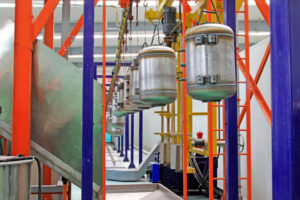
Can electrophoretic coating line reduce corrosion issues in coastal areas?
When a metal product is used near the coast, corrosion often appears much sooner than expected. A component that performs well inland may start showing