How an E-Coating Line Ensures Uniform Paint Coverage?
Imagine a car body fresh from the assembly line or a circuit board that will power tomorrow’s technology. Before either reaches the customer, it needs
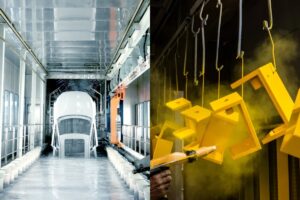
E Coating vs Powder Coating: Key Differences Between Paints
When it comes to painting metal surfaces, choosing the right coating can make all the difference. E coating vs powder coating paints may seem similar

Dealing with Electrocoating Sediment: to Restore Coating Quality
In a well-run e-coating line, consistency is everything. So when sediment appears after coating, even in small amounts, it can quickly disrupt production flow, compromise
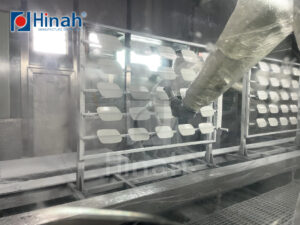
How a Liquid Coating Line Improves Finish Quality
A raw metal panel enters one end of the liquid coating line—dull, uneven, and vulnerable to corrosion. Minutes later, it exits with a flawless, high-gloss
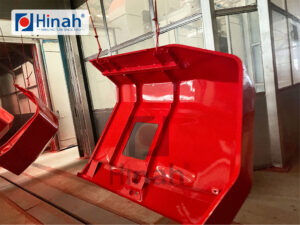
What Factors Affect Coating Uniformity in Electrophoresis Coating Line?
Coating uniformity is one of the most critical quality indicators in an electrophoresis coating line, directly impacting corrosion resistance, appearance, and overall product performance. In
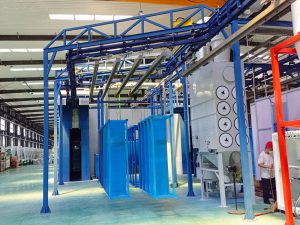
Choosing the Right Electrocoating Conveyor for Your E-Coat Line
If you’re planning or upgrading an e-coat line, there’s one part of the system you really don’t want to overlook—the electrocoating conveyor. It’s not just
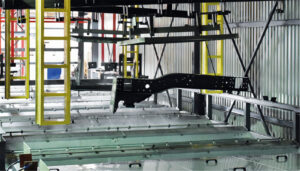
Best Practices for E-Coating Tank Care in Your E-Coating Line
The e-coating tank is the heart of your e-coating line, where the critical electrochemical deposition process occurs. Its proper design, operation, and maintenance directly determine
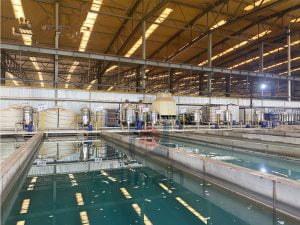
Optimizing Pretreatment Stages in E Coat Line for Adhesion
Electrocoating (e-coating) is a foundational process for achieving superior corrosion protection and uniform finish adhesion on metal substrates across automotive, appliance, and industrial applications. However,
Common Bottlenecks in the E-Coating Line Workflow—And How to Solve Them
In an e-coating line, smooth workflow is essential to maintaining high-quality finishes, consistent output, and operational efficiency. However, even the most advanced systems can encounter
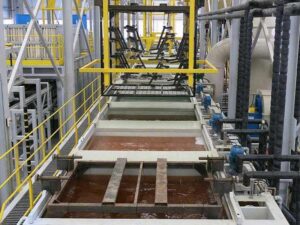
Why Does Your E-Coat Line Have Cratering?
Cratering is one of the most frustrating defects in electrodeposition. You run your parts, and instead of a smooth, uniform finish, you get small, bowl-shaped
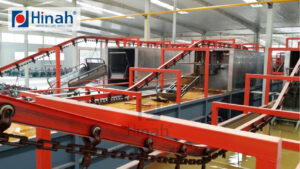
Automotive E-Coating Line: Is Your Infrastructure Ready?
Building a professional automotive e-coating line requires more than just a paint tank. It demands a robust foundation of power, water, and thermal engineering to
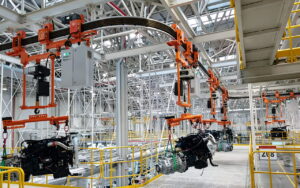
How to Eliminate the “Faraday Cage Effect” in Electrophoretic Coating?
Why do some metal parts come out of the tank looking perfect on the outside but stay completely bare in the corners? This is the

Why Is Your E-Coat Line Finish Peeling or Bubbling?
You just finished a production run, but the results are a disaster. The coating is lifting off the metal like old tape, or worse, it’s
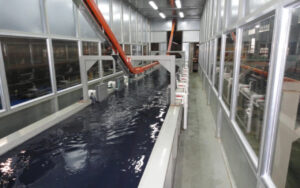
Why Is Your Conveyor Speed Out of Sync with the E-coat Tank Dwell Time?
The balance between your conveyor speed and coating chemistry is the heartbeat of a successful finishing operation. In a perfect setup, the mechanical movement of
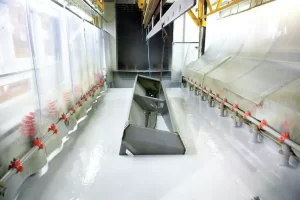
What is the Difference Between Electroplating and Electrophoretic Coating?
Choosing between electroplating and electrophoretic coating can be a tough call. Both methods use electrical currents to apply a protective layer to metal parts, but
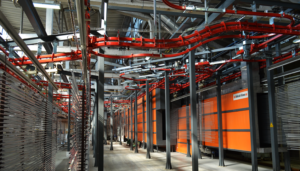
Why Cathodic Electrocoating becomes the Industry Standard?
For decades, manufacturers relied on traditional spray painting to protect metal parts. However, the industry has shifted. Most modern factories now choose electro-deposition over old

The Science Behind Coating Cracking in Electrocoating Systems
Electrocoating is the gold standard for modern industrial finishing. It provides unmatched corrosion resistance and covers every corner of a complex metal part. However, even
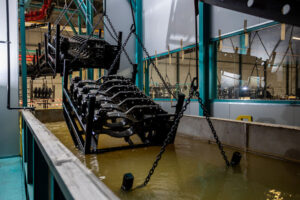
Choosing the Right Anode Cells for Your E-coat Line
Most factory managers focus on the power supply when coating quality drops. However, your anodes actually do the heavy lifting in the tank. If you