What You Should Know Before Upgrading Electrocoating Conveyor System
Upgrading an existing electrocoating line is never just about replacing hardware — especially when the conveyor system is involved. As the silent backbone of the
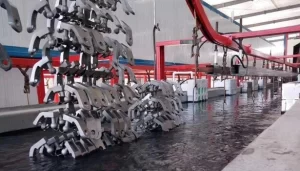
Dealing with Bath Contamination in Electrophoretic Coating Line
In an electrophoretic coating line, the stability and purity of the coating bath determine the overall coating quality. Even the most advanced equipment cannot deliver
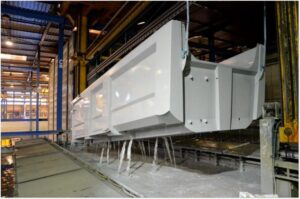
How to Reduce Paint Waste in Electrophoretic Painting Process
Walk into any factory running an electrophoretic painting line, and you’ll hear the steady hum of pumps, the rhythmic movement of conveyors, and the quiet
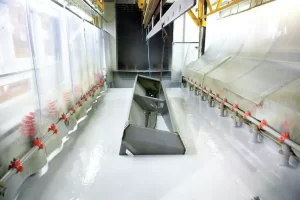
How to Prevent Contamination in Electrophoretic Coating Tank
When it comes to achieving a flawless electrophoretic coating, most focus on voltage, bath chemistry, or curing temperature. But there’s another, often-overlooked factor quietly affecting
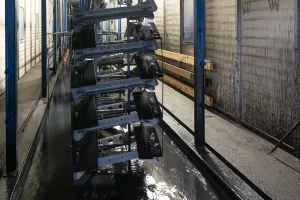
Why Electrophoresis Coating Line Redefines Protection
Metal is everywhere around us—shaping the cars we drive, the appliances we use every day, and the structures that hold our cities together. Yet no
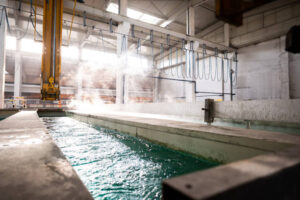
Achieving Uniform Electrophoretic Coating on Intricate Components
In today’s manufacturing world, products are rarely simple in shape. From automotive parts with deep recesses to electronics housings with sharp edges, components are becoming
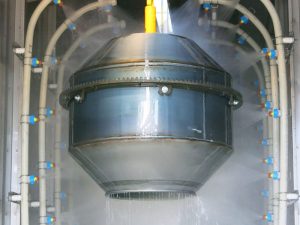
The Silent Problems Hiding in Prepreatment Coating Systems
When everything looks smooth on the surface, it’s easy to believe a prepreatment coating system is running perfectly. Parts move through the line, chemicals are
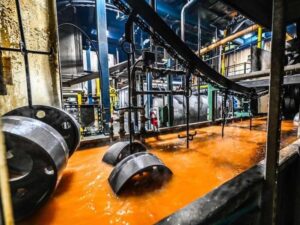
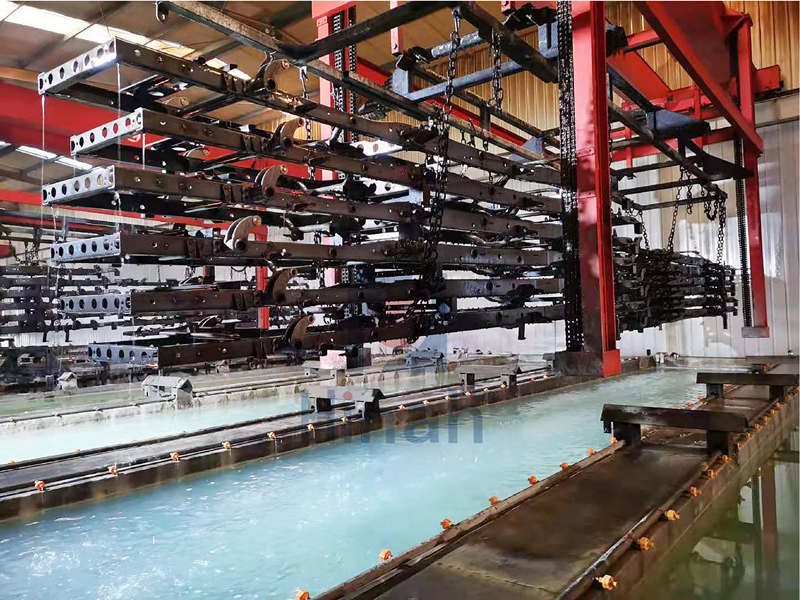
Electrocoating Conveyor: The Backbone of a Smooth E-Coating Line
In any e-coating line, smooth and uninterrupted movement of parts is essential. While the coating process itself often gets the spotlight, the real backbone of
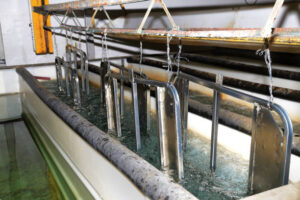
How to Control Film Thickness in an Electrophoresis Coating Line?
Imagine a perfectly coated metal surface—smooth, uniform, and built to withstand years of exposure without a trace of rust. Achieving this result doesn’t happen by
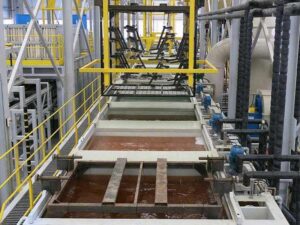
Why Does Your E-Coat Line Have Cratering?
Cratering is one of the most frustrating defects in electrodeposition. You run your parts, and instead of a smooth, uniform finish, you get small, bowl-shaped
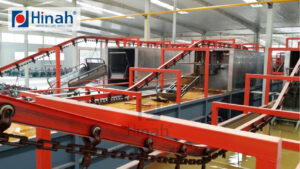
Automotive E-Coating Line: Is Your Infrastructure Ready?
Building a professional automotive e-coating line requires more than just a paint tank. It demands a robust foundation of power, water, and thermal engineering to
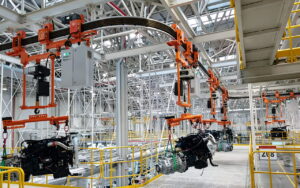
How to Eliminate the “Faraday Cage Effect” in Electrophoretic Coating?
Why do some metal parts come out of the tank looking perfect on the outside but stay completely bare in the corners? This is the
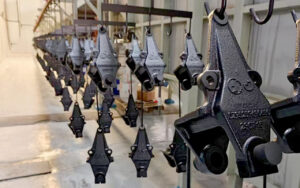
Why Is Your E-Coat Line Finish Peeling or Bubbling?
You just finished a production run, but the results are a disaster. The coating is lifting off the metal like old tape, or worse, it’s
Why Is Your Conveyor Speed Out of Sync with the E-coat Tank Dwell Time?
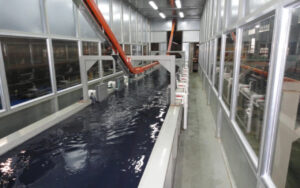
The balance between your conveyor speed and coating chemistry is the heartbeat of a successful finishing operation. In a perfect setup, the mechanical movement of
What is the Difference Between Electroplating and Electrophoretic Coating?
Choosing between electroplating and electrophoretic coating can be a tough call. Both methods use electrical currents to apply a protective layer to metal parts, but
Why Cathodic Electrocoating becomes the Industry Standard?
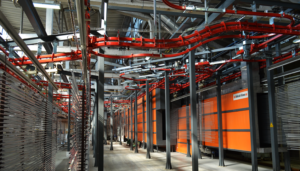
For decades, manufacturers relied on traditional spray painting to protect metal parts. However, the industry has shifted. Most modern factories now choose electro-deposition over old
The Science Behind Coating Cracking in Electrocoating Systems
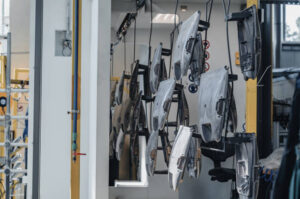
Electrocoating is the gold standard for modern industrial finishing. It provides unmatched corrosion resistance and covers every corner of a complex metal part. However, even
Choosing the Right Anode Cells for Your E-coat Line
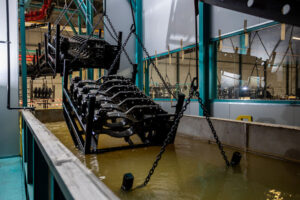
Most factory managers focus on the power supply when coating quality drops. However, your anodes actually do the heavy lifting in the tank. If you