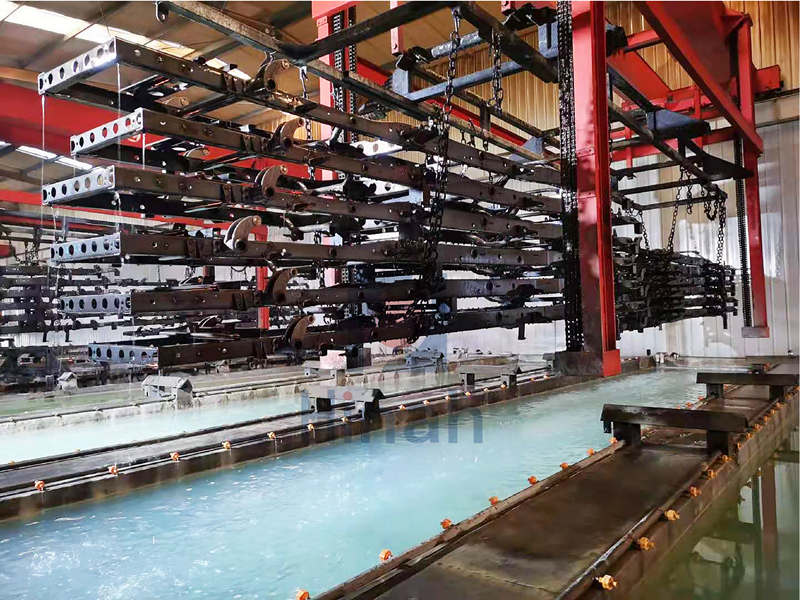
How a Monorail E-Coating Line Improves Throughput
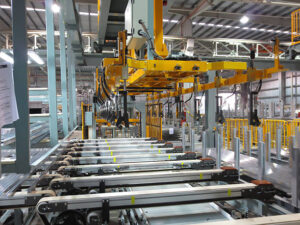
Throughput is often discussed as a number, but in an e-coating operation, it is the result of how smoothly the entire line works together. Simply
Electrophoretic Coating Problems: The Most Frequent Defects Explained
Electrophoretic coating is known for its excellent corrosion resistance and uniform coverage, especially on complex metal parts. However, even small defects can significantly weaken the
The Hidden Costs of a Poorly Designed E-Coating Line
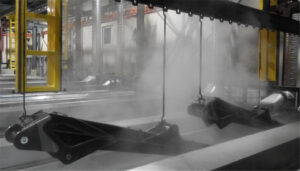
A poorly designed e-coating line rarely fails overnight. Instead, it drains money slowly—through longer cycle times, unpredictable film build, rising rejection rates, and maintenance that
Do You Meet the Pinhole Problem in Electrophoretic Coating Line
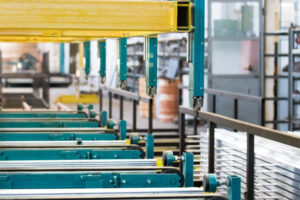
Imagine a perfectly coated surface, smooth and flawless, only to discover tiny imperfections—pinhole defects—lurking beneath the finish. Pinholes may seem minor, but they represent a
Inside a Struggling E-Coat Line: The 3 Silent Failures No One Noticed
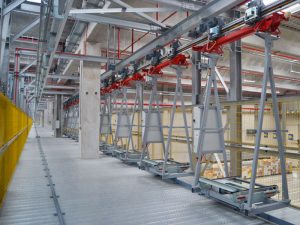
Sometimes an e-coat line keeps running, the pumps are steady, the numbers look normal, and yet something quietly slips out of place. No alarms sound,
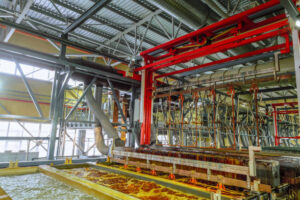
How Electrocoating Systems Reduce Rework to Save Cost
All of us know the frustration of rework. A small imperfection on a coated part can mean hours of lost production, wasted materials, and an
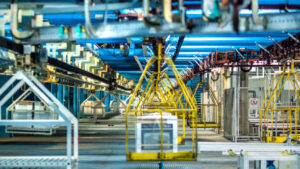
Why Your E-Coat Power Supply Is Causing Coating Defects
When a perfect, mirror-smooth electrocoating finish suddenly turns rough or uneven, most engineers look to the paint bath, pretreatment, or temperature control for answers. Yet,
What You Should Know Before Upgrading Electrocoating Conveyor System
Upgrading an existing electrocoating line is never just about replacing hardware — especially when the conveyor system is involved. As the silent backbone of the
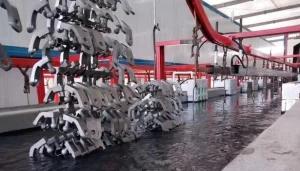
Dealing with Bath Contamination in Electrophoretic Coating Line
In an electrophoretic coating line, the stability and purity of the coating bath determine the overall coating quality. Even the most advanced equipment cannot deliver
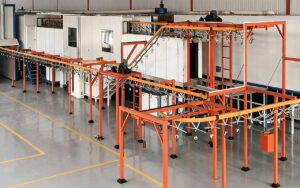
E-Coating Line Delivery: From PO to First Good Part
An e-coating line delivery takes roughly six to ten months from purchase order to first good part. Twelve stages run in sequence: design, fabrication, factory
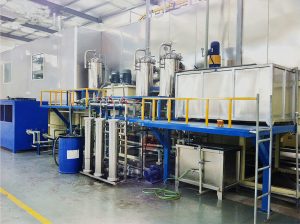
What Causes Low UF Permeate Flow in E-Coating?
A gauge reading 8% under baseline usually sends the shift straight to a cleaning cycle. The membrane is often innocent. Low UF permeate flow is
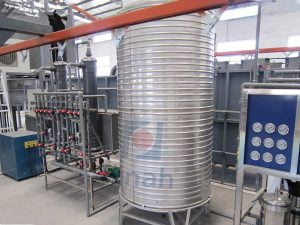
How Often Should E-Coat UF Membranes Be Cleaned?
A UF loop gives its first warning as a number nobody writes down. Permeate flow on the rinse header slips a few percent a week.
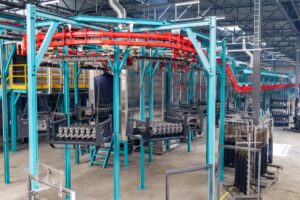
What Causes E-Coat Streaks on Metal Parts?
Sixty steel brackets leave the oven in one rack, each leg carrying the same four pale bands in the same place. The gauge reads thin
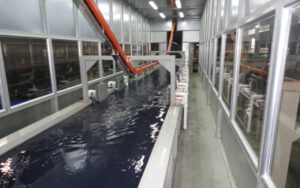
Why Does E-Coat Bath pH Keep Changing?
At 06:00 the meter reads 6.1. By the end of the second shift it reads 5.75, and nobody touched a setpoint. That swing is normal
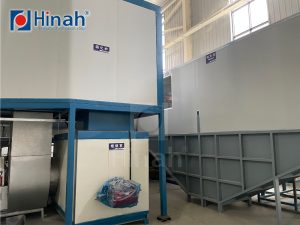
Why Does Electrocoating Bubble During Curing?
Bubbles that appear after the curing oven rarely come from bad paint. In most cases they are water that never left the film before the
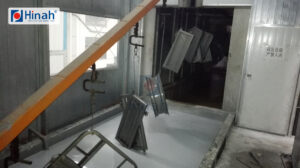
Why Does Cratering Occur in an E-Coat Line?
A crater looks like a shallow bowl pressed into the film. The rim sits high, the center is bare, and the paint around it is
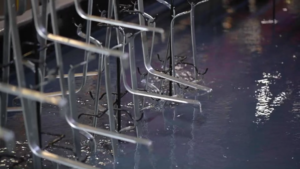
Why Are Some Areas Bare After Electrophoretic Coating?
A metal part comes out of the dip tank, but one corner remains bare. Another part has a complete coating on the outside, yet the
Why Does E-Coat Line Paint Peel or Lose Adhesion?
Peeling rarely starts with the peeling itself. By the time an e-coat film lifts from the metal, the original problem may have started several stages