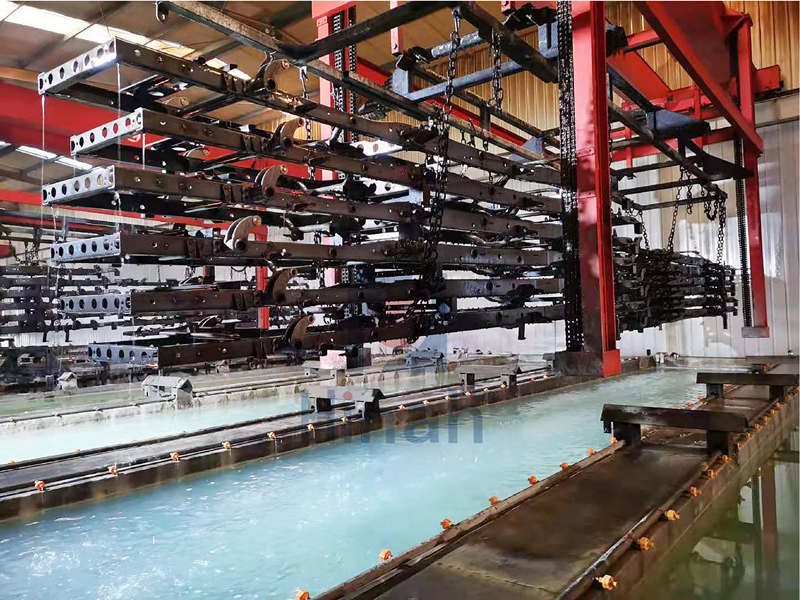
Cathodic Electrocoating Solutions for Automotive Frames and Chassis
Automotive frames and chassis are built to last, but they are also the parts most exposed to corrosion, impact, and harsh road conditions. Once rust
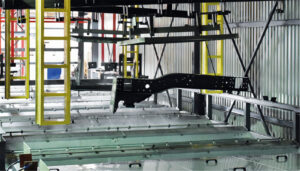
Why E-Coating Line Is Widely Used in Corrosion Protection
Corrosion is one of the most persistent challenges faced by industries that rely on metal parts. Whether it’s automotive components, heavy machinery, or industrial hardware,
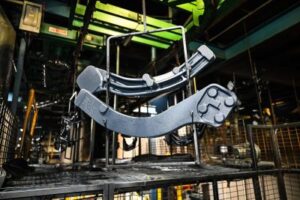
How a Monorail E-Coating Line Improves Throughput
Throughput is often discussed as a number, but in an e-coating operation, it is the result of how smoothly the entire line works together. Simply
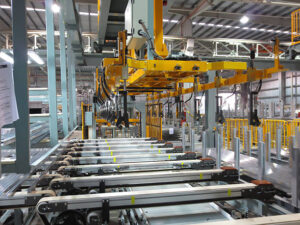
Electrophoretic Coating Problems: The Most Frequent Defects Explained
Electrophoretic coating is known for its excellent corrosion resistance and uniform coverage, especially on complex metal parts. However, even small defects can significantly weaken the
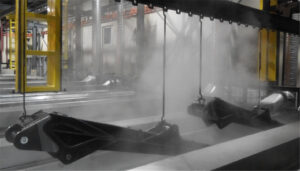
The Hidden Costs of a Poorly Designed E-Coating Line
A poorly designed e-coating line rarely fails overnight. Instead, it drains money slowly—through longer cycle times, unpredictable film build, rising rejection rates, and maintenance that
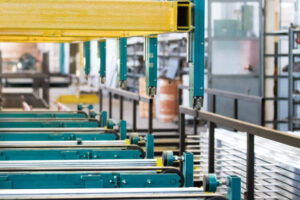
Do You Meet the Pinhole Problem in Electrophoretic Coating Line
Imagine a perfectly coated surface, smooth and flawless, only to discover tiny imperfections—pinhole defects—lurking beneath the finish. Pinholes may seem minor, but they represent a
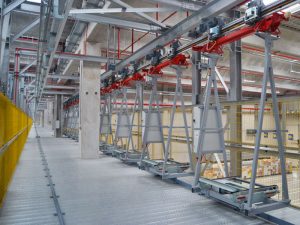
Inside a Struggling E-Coat Line: The 3 Silent Failures No One Noticed
Sometimes an e-coat line keeps running, the pumps are steady, the numbers look normal, and yet something quietly slips out of place. No alarms sound,
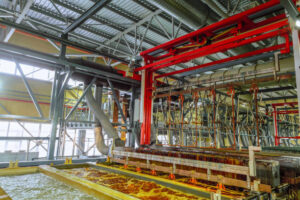
How Electrocoating Systems Reduce Rework to Save Cost
All of us know the frustration of rework. A small imperfection on a coated part can mean hours of lost production, wasted materials, and an
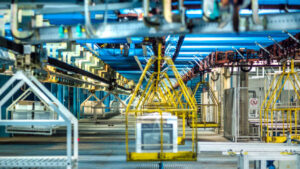
Why Your E-Coat Power Supply Is Causing Coating Defects
When a perfect, mirror-smooth electrocoating finish suddenly turns rough or uneven, most engineers look to the paint bath, pretreatment, or temperature control for answers. Yet,
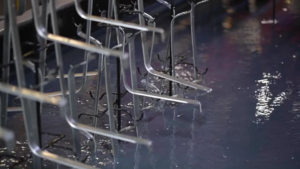
Why Are Some Areas Bare After Electrophoretic Coating?
A metal part comes out of the dip tank, but one corner remains bare. Another part has a complete coating on the outside, yet the
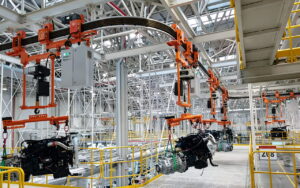
Why Does E-Coat Line Paint Peel or Lose Adhesion?
Peeling rarely starts with the peeling itself. By the time an e-coat film lifts from the metal, the original problem may have started several stages
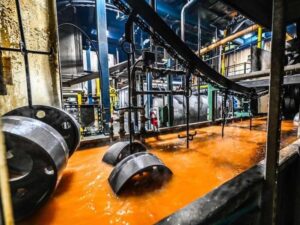
Why Do Pinholes Appear After Electrocoating?
A freshly coated part can look fine when it leaves the tank, yet tiny holes may become visible after rinsing or curing. Some appear as
Why Is Electrocoating Film Thickness Uneven?
Achieving uniform thickness in industrial electrocoating demands precise control over throwpower, bath chemistry, and pretreatment quality. When coating complex metal parts, film buildup isn’t determined
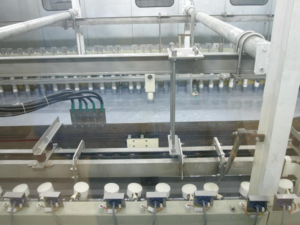
Why Does UF System Get Clogged in E-Coat Line?
An ultrafiltration (UF) system plays an important role in an e-coat line. It separates water and low-molecular-weight materials from the coating bath while retaining useful
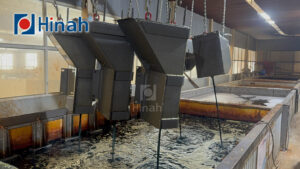
Is E-Coat Line More Environmentally Friendly Than Traditional Painting?
If you are planning a new metal finishing process, environmental performance is probably one of your main concerns. You may wonder whether an e-coat line
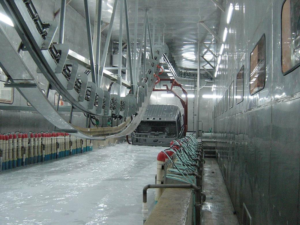
How Does Voltage Affect Film Thickness in E Coat Line?
If the film thickness from an e-coating process is too thin, voltage is often one of the first parameters engineers check. But simply increasing the
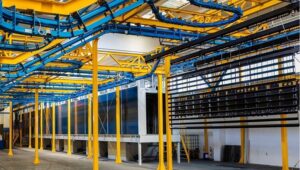
7 Things You Didn’t Know About Electrophoretic Painting Plant for Aluminium
When people talk about aluminium coating, they usually focus on colour, appearance, or surface protection. However, the final coating quality depends on many hidden factors
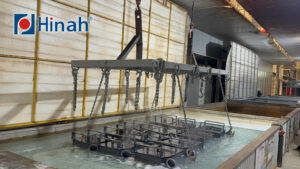
How Does Electric Hoist E-Coat Line Work for Vertical Dipping?
For many coating applications, the biggest challenge is not putting parts into a tank — it is controlling how each part moves inside the coating