
Can Your E Coat Line Handle Complex EV Battery Trays
Traditional coating setups are hitting a wall. As the automotive industry shifts to electric vehicles, the parts are getting bigger, heavier, and far more complex.
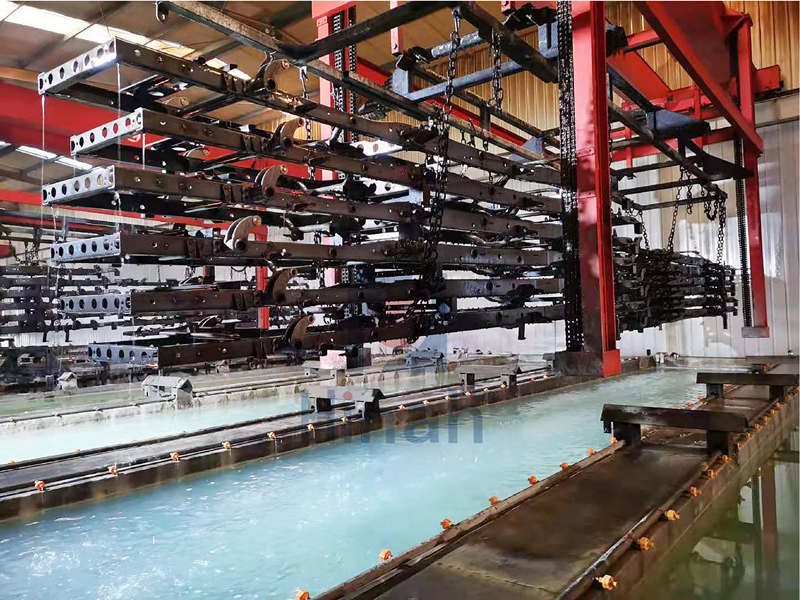
Why the Conveyor Chain is Contaminating the E-coat Line Bath
When you see “fish-eyes,” craters, or dark spots on your finished parts, these defects usually point to one place: a contaminated tank. While most operators
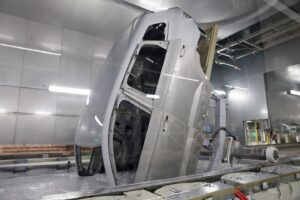
Why is the Rectifier the “Heart” of Your E-Coat Line
Most people only notice the massive tanks and conveyor belts when they look at a professional e coat line. But the real power behind a
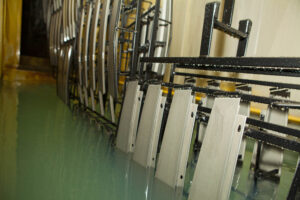
The Secret to Maintaining a Clean E Coating Line Tank
Every factory manager knows the sinking feeling of seeing “sandpaper” textures on a finished part. You check the chemicals, you test the voltage, but the
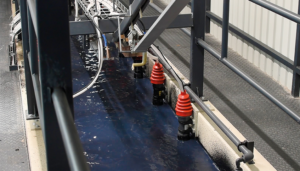
The Role of Precision Filtration in Electrocoating Equipment
In the world of metal finishing, a flawless surface is the ultimate goal. You’ve likely perfected your chemistry and dialed in your voltage, but your
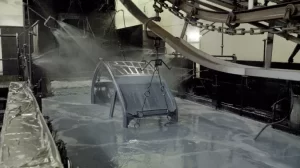
When is E-coat Line NOT the Right Choice for Your Finish
Every manufacturer dreams of a flawless, high-volume finish that lasts for decades. In that search for perfection, the e-coat line often feels like the ultimate
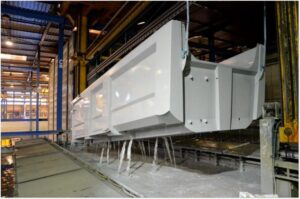
Are Temperature and Humidity Variations Ruining Your E-Coat Line
In any electrocoating process, consistency is key. But temperature and humidity fluctuations can throw your e-coat line completely off balance. Seasonal changes, unexpected weather patterns,
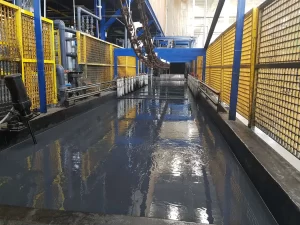
The Secret to Flawless Coating: Mastering E-Coat Tank Design
When it comes to achieving flawless coating in the e-coating process, the design of the e-coat tank plays a crucial role. Every detail, from the
Why Ultrafiltration Rinsing Is Critical After Electrocoating
In e coating line, the coating process does not truly end when the part leaves the bath. What happens immediately afterward often determines whether the
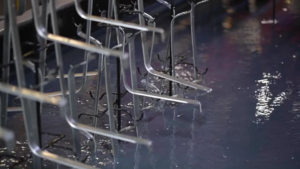
Why Are Some Areas Bare After Electrophoretic Coating?
A metal part comes out of the dip tank, but one corner remains bare. Another part has a complete coating on the outside, yet the
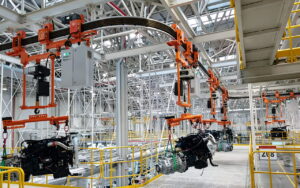
Why Does E-Coat Line Paint Peel or Lose Adhesion?
Peeling rarely starts with the peeling itself. By the time an e-coat film lifts from the metal, the original problem may have started several stages
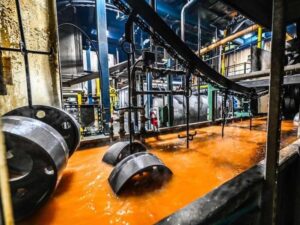
Why Do Pinholes Appear After Electrocoating?
A freshly coated part can look fine when it leaves the tank, yet tiny holes may become visible after rinsing or curing. Some appear as
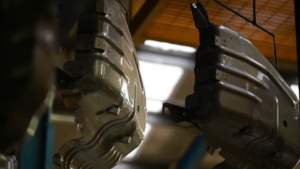
Why Is Electrocoating Film Thickness Uneven?
Achieving uniform thickness in industrial electrocoating demands precise control over throwpower, bath chemistry, and pretreatment quality. When coating complex metal parts, film buildup isn’t determined
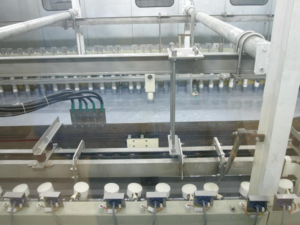
Why Does UF System Get Clogged in E-Coat Line?
An ultrafiltration (UF) system plays an important role in an e-coat line. It separates water and low-molecular-weight materials from the coating bath while retaining useful
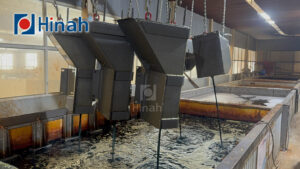
Is E-Coat Line More Environmentally Friendly Than Traditional Painting?
If you are planning a new metal finishing process, environmental performance is probably one of your main concerns. You may wonder whether an e-coat line
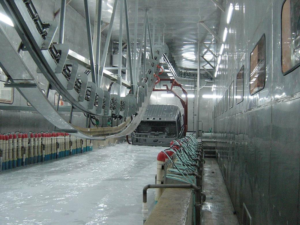
How Does Voltage Affect Film Thickness in E Coat Line?
If the film thickness from an e-coating process is too thin, voltage is often one of the first parameters engineers check. But simply increasing the
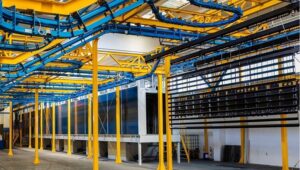
7 Things You Didn’t Know About Electrophoretic Painting Plant for Aluminium
When people talk about aluminium coating, they usually focus on colour, appearance, or surface protection. However, the final coating quality depends on many hidden factors
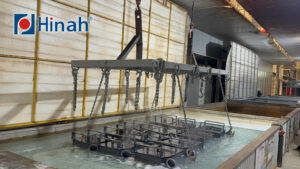
How Does Electric Hoist E-Coat Line Work for Vertical Dipping?
For many coating applications, the biggest challenge is not putting parts into a tank — it is controlling how each part moves inside the coating