Why Is Rust Still Occurring After Using an E-Coat Line?
Rust problems after e-coat line can be confusing. The metal parts have already gone through cleaning, coating, and curing, but corrosion still appears during testing
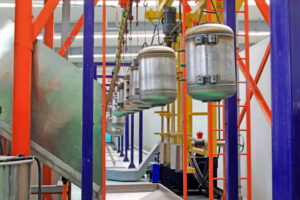
Can electrophoretic coating line reduce corrosion issues in coastal areas?
When a metal product is used near the coast, corrosion often appears much sooner than expected. A component that performs well inland may start showing
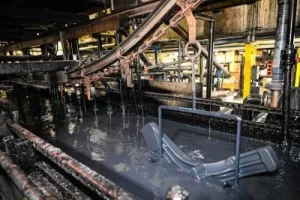
How Much Space and Power Does a Standard Automotive E-Coating Line Require?
Designing an automotive e-coating line is a massive undertaking. For automotive bodies and heavy-duty chassis parts, you cannot afford to guess your facility requirements. Underestimating
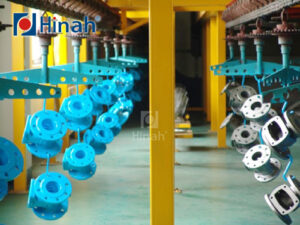
Is Liquid Coating Line Better Than Powder Coating for Outdoor Metal Products?
When choosing a coating solution for outdoor metal products, we often face a difficult decision: should they invest in a liquid coating line or choose
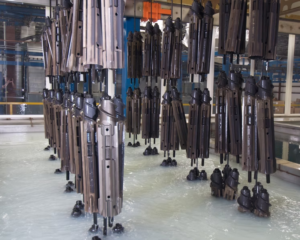
How Often Should E-Coat Tank Be Replaced?
An e-coat tank typically needs replacement every 10 to 20 years. In well-maintained production lines, it may last over 20 years. In harsh operating conditions, replacement
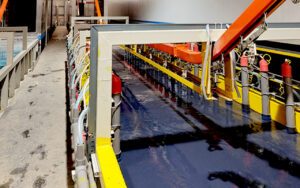
How Long Does an Electrophoretic Coating Process Take?
The complete electrophoretic coating process usually takes 30 to 90 minutes, depending on part size, coating requirements, pretreatment quality, and curing conditions. In most industrial
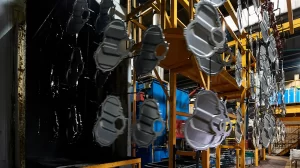
What Types of Metals are Best Suited for Cathodic Electrocoating?
Can you use cathodic electrocoating on any metal? The short answer is yes—as long as the metal conducts electricity. When you submerge a part into
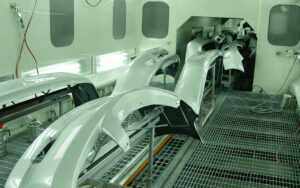
How Much Carbon Can Your Electrophoretic Coating Oven Save?
Industrial manufacturing is entering a new era. Today, a successful electrophoretic coating shop must do more than just produce durable products. It must also protect
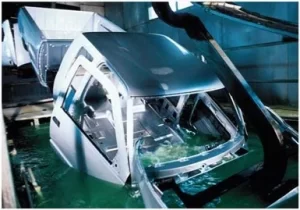
How Much Water Does Your E-Coat Line Waste?
Metal finishing shops use a massive amount of water. In an e-coat line shop, the pre-treatment and electrocoating stages consume more water than any other

Can Your E Coat Line Handle Complex EV Battery Trays
Traditional coating setups are hitting a wall. As the automotive industry shifts to electric vehicles, the parts are getting bigger, heavier, and far more complex.
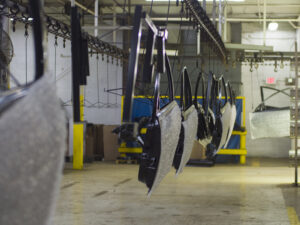
Why the Conveyor Chain is Contaminating the E-coat Line Bath
When you see “fish-eyes,” craters, or dark spots on your finished parts, these defects usually point to one place: a contaminated tank. While most operators
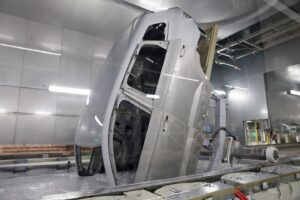
Why is the Rectifier the “Heart” of Your E-Coat Line
Most people only notice the massive tanks and conveyor belts when they look at a professional e coat line. But the real power behind a
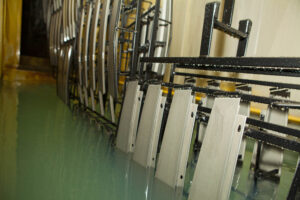
The Secret to Maintaining a Clean E Coating Line Tank
Every factory manager knows the sinking feeling of seeing “sandpaper” textures on a finished part. You check the chemicals, you test the voltage, but the
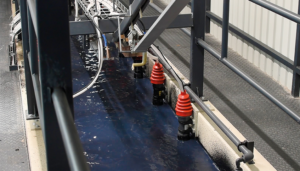
The Role of Precision Filtration in Electrocoating Equipment
In the world of metal finishing, a flawless surface is the ultimate goal. You’ve likely perfected your chemistry and dialed in your voltage, but your
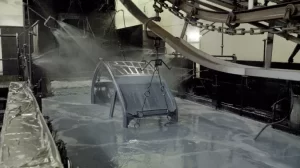
When is E-coat Line NOT the Right Choice for Your Finish
Every manufacturer dreams of a flawless, high-volume finish that lasts for decades. In that search for perfection, the e-coat line often feels like the ultimate
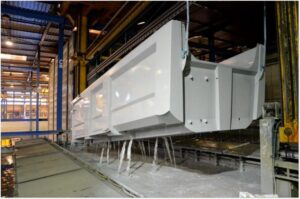
Are Temperature and Humidity Variations Ruining Your E-Coat Line
In any electrocoating process, consistency is key. But temperature and humidity fluctuations can throw your e-coat line completely off balance. Seasonal changes, unexpected weather patterns,
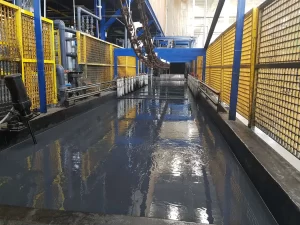
The Secret to Flawless Coating: Mastering E-Coat Tank Design
When it comes to achieving flawless coating in the e-coating process, the design of the e-coat tank plays a crucial role. Every detail, from the
Why Ultrafiltration Rinsing Is Critical After Electrocoating
In e coating line, the coating process does not truly end when the part leaves the bath. What happens immediately afterward often determines whether the