Why Does Your E-Coat Line Have Cratering?
Cratering is one of the most frustrating defects in electrodeposition. You run your parts, and instead of a smooth, uniform finish, you get small, bowl-shaped
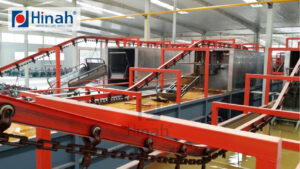
Automotive E-Coating Line: Is Your Infrastructure Ready?
Building a professional automotive e-coating line requires more than just a paint tank. It demands a robust foundation of power, water, and thermal engineering to
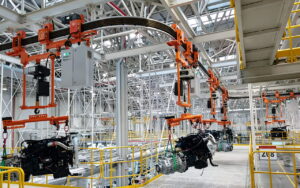
How to Eliminate the “Faraday Cage Effect” in Electrophoretic Coating?
Why do some metal parts come out of the tank looking perfect on the outside but stay completely bare in the corners? This is the
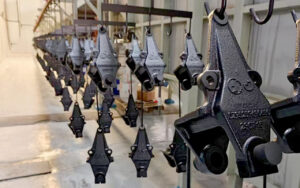
Why Is Your E-Coat Line Finish Peeling or Bubbling?
You just finished a production run, but the results are a disaster. The coating is lifting off the metal like old tape, or worse, it’s
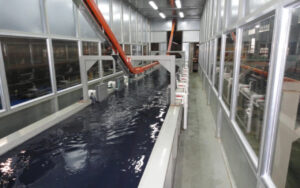
Why Is Your Conveyor Speed Out of Sync with the E-coat Tank Dwell Time?
The balance between your conveyor speed and coating chemistry is the heartbeat of a successful finishing operation. In a perfect setup, the mechanical movement of
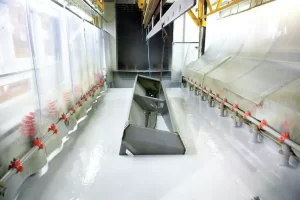
What is the Difference Between Electroplating and Electrophoretic Coating?
Choosing between electroplating and electrophoretic coating can be a tough call. Both methods use electrical currents to apply a protective layer to metal parts, but
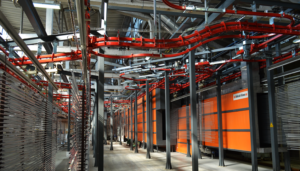
Why Cathodic Electrocoating becomes the Industry Standard?
For decades, manufacturers relied on traditional spray painting to protect metal parts. However, the industry has shifted. Most modern factories now choose electro-deposition over old
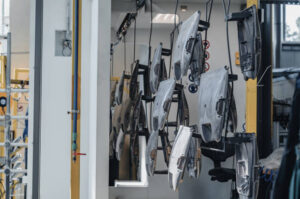
The Science Behind Coating Cracking in Electrocoating Systems
Electrocoating is the gold standard for modern industrial finishing. It provides unmatched corrosion resistance and covers every corner of a complex metal part. However, even
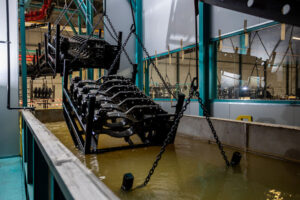
Choosing the Right Anode Cells for Your E-coat Line
Most factory managers focus on the power supply when coating quality drops. However, your anodes actually do the heavy lifting in the tank. If you
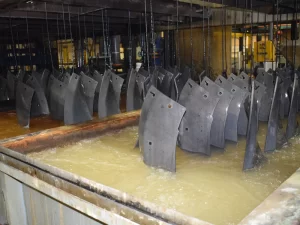
Cathodic Electrocoating Solutions for Automotive Frames and Chassis
Automotive frames and chassis are built to last, but they are also the parts most exposed to corrosion, impact, and harsh road conditions. Once rust
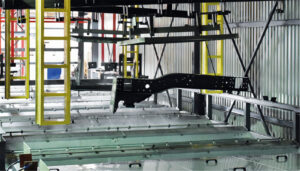
Why E-Coating Line Is Widely Used in Corrosion Protection
Corrosion is one of the most persistent challenges faced by industries that rely on metal parts. Whether it’s automotive components, heavy machinery, or industrial hardware,
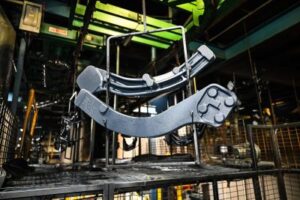
How a Monorail E-Coating Line Improves Throughput
Throughput is often discussed as a number, but in an e-coating operation, it is the result of how smoothly the entire line works together. Simply
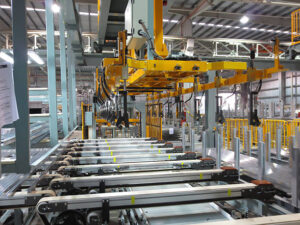
Electrophoretic Coating Problems: The Most Frequent Defects Explained
Electrophoretic coating is known for its excellent corrosion resistance and uniform coverage, especially on complex metal parts. However, even small defects can significantly weaken the
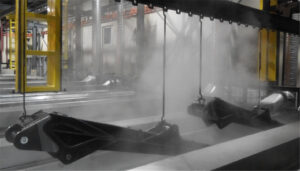
The Hidden Costs of a Poorly Designed E-Coating Line
A poorly designed e-coating line rarely fails overnight. Instead, it drains money slowly—through longer cycle times, unpredictable film build, rising rejection rates, and maintenance that
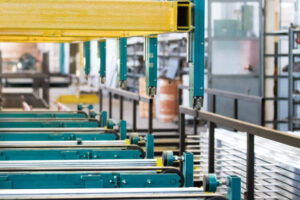
Do You Meet the Pinhole Problem in Electrophoretic Coating Line
Imagine a perfectly coated surface, smooth and flawless, only to discover tiny imperfections—pinhole defects—lurking beneath the finish. Pinholes may seem minor, but they represent a
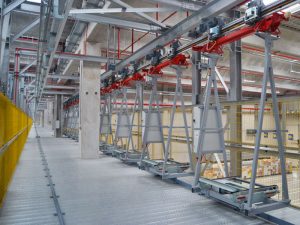
Inside a Struggling E-Coat Line: The 3 Silent Failures No One Noticed
Sometimes an e-coat line keeps running, the pumps are steady, the numbers look normal, and yet something quietly slips out of place. No alarms sound,
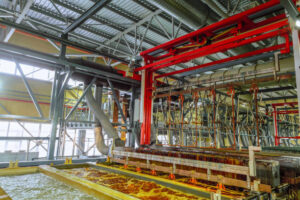
How Electrocoating Systems Reduce Rework to Save Cost
All of us know the frustration of rework. A small imperfection on a coated part can mean hours of lost production, wasted materials, and an
Why Your E-Coat Power Supply Is Causing Coating Defects
When a perfect, mirror-smooth electrocoating finish suddenly turns rough or uneven, most engineers look to the paint bath, pretreatment, or temperature control for answers. Yet,