Why Does Your E-Coat Line Have Cratering?
Cratering is one of the most frustrating defects in electrodeposition. You run your parts, and instead of a smooth, uniform finish, you get small, bowl-shaped
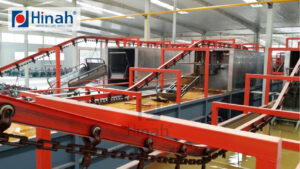
Automotive E-Coating Line: Is Your Infrastructure Ready?
Building a professional automotive e-coating line requires more than just a paint tank. It demands a robust foundation of power, water, and thermal engineering to
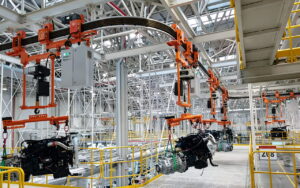
How to Eliminate the “Faraday Cage Effect” in Electrophoretic Coating?
Why do some metal parts come out of the tank looking perfect on the outside but stay completely bare in the corners? This is the
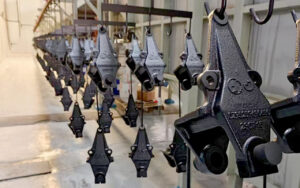
Why Is Your E-Coat Line Finish Peeling or Bubbling?
You just finished a production run, but the results are a disaster. The coating is lifting off the metal like old tape, or worse, it’s
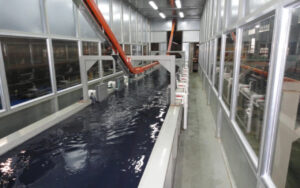
Why Is Your Conveyor Speed Out of Sync with the E-coat Tank Dwell Time?
The balance between your conveyor speed and coating chemistry is the heartbeat of a successful finishing operation. In a perfect setup, the mechanical movement of
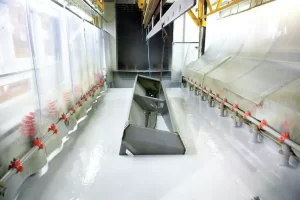
What is the Difference Between Electroplating and Electrophoretic Coating?
Choosing between electroplating and electrophoretic coating can be a tough call. Both methods use electrical currents to apply a protective layer to metal parts, but
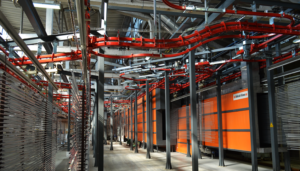
Why Cathodic Electrocoating becomes the Industry Standard?
For decades, manufacturers relied on traditional spray painting to protect metal parts. However, the industry has shifted. Most modern factories now choose electro-deposition over old
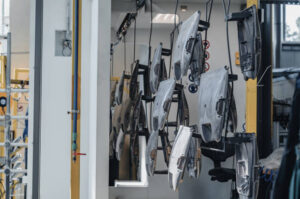
The Science Behind Coating Cracking in Electrocoating Systems
Electrocoating is the gold standard for modern industrial finishing. It provides unmatched corrosion resistance and covers every corner of a complex metal part. However, even
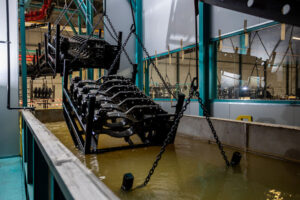
Choosing the Right Anode Cells for Your E-coat Line
Most factory managers focus on the power supply when coating quality drops. However, your anodes actually do the heavy lifting in the tank. If you
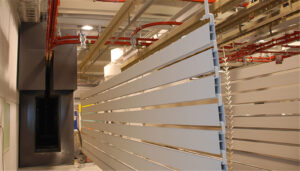
Why Is Rust Still Occurring After Using an E-Coat Line?
Rust problems after e-coat line can be confusing. The metal parts have already gone through cleaning, coating, and curing, but corrosion still appears during testing
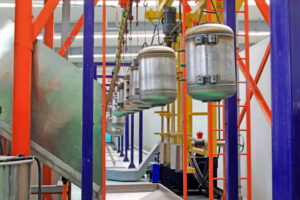
Can electrophoretic coating line reduce corrosion issues in coastal areas?
When a metal product is used near the coast, corrosion often appears much sooner than expected. A component that performs well inland may start showing
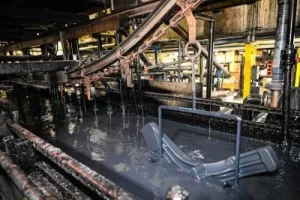
How Much Space and Power Does a Standard Automotive E-Coating Line Require?
Designing an automotive e-coating line is a massive undertaking. For automotive bodies and heavy-duty chassis parts, you cannot afford to guess your facility requirements. Underestimating
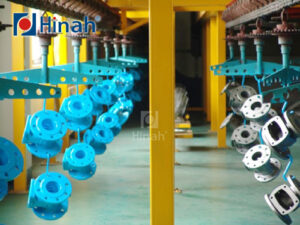
Is Liquid Coating Line Better Than Powder Coating for Outdoor Metal Products?
When choosing a coating solution for outdoor metal products, we often face a difficult decision: should they invest in a liquid coating line or choose
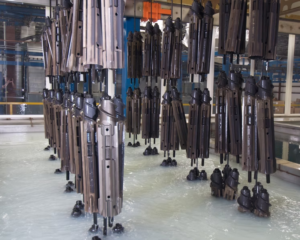
How Often Should E-Coat Tank Be Replaced?
An e-coat tank typically needs replacement every 10 to 20 years. In well-maintained production lines, it may last over 20 years. In harsh operating conditions, replacement
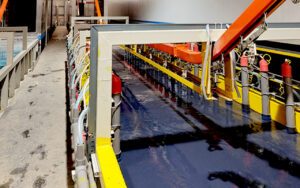
How Long Does an Electrophoretic Coating Process Take?
The complete electrophoretic coating process usually takes 30 to 90 minutes, depending on part size, coating requirements, pretreatment quality, and curing conditions. In most industrial
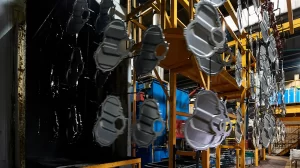
What Types of Metals are Best Suited for Cathodic Electrocoating?
Can you use cathodic electrocoating on any metal? The short answer is yes—as long as the metal conducts electricity. When you submerge a part into
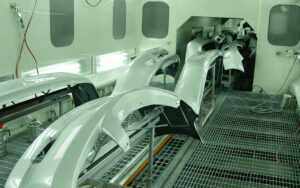
How Much Carbon Can Your Electrophoretic Coating Oven Save?
Industrial manufacturing is entering a new era. Today, a successful electrophoretic coating shop must do more than just produce durable products. It must also protect
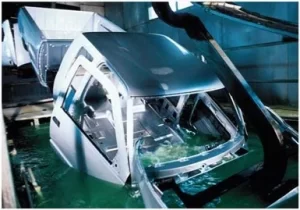
How Much Water Does Your E-Coat Line Waste?
Metal finishing shops use a massive amount of water. In an e-coat line shop, the pre-treatment and electrocoating stages consume more water than any other