Electrocoating Curing Oven: How to Prevent Bubbles and Craters
Electrocoating delivers exceptional corrosion protection and uniform coverage on metal substrates, making it vital for demanding industrial applications. However, this performance hinges on a critical
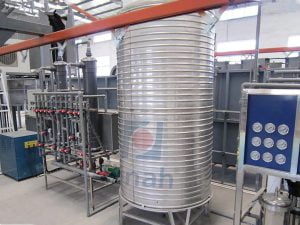
Ultrafiltration (UF) Systems in E Coat Line: Maximizing Paint Recovery & Quality
Ultrafiltration (UF) systems are the critical efficiency engine in modern e-coat lines, transforming waste into value. Without UF technology, electrocoating operations lose over 30% of
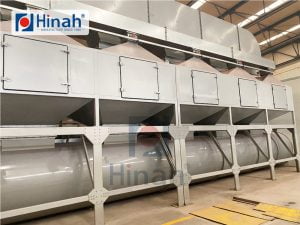
Reduce Costs in Electrocoating: Environmental Technology Equipments Explained
While electrocoating is renowned for its uniform finishes and corrosion resistance, many manufacturers overlook the hidden costs lurking in their operations. Beyond paint consumption and
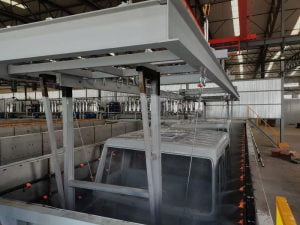
Advanced Filtration Technology in E-Coating Line: Protecting Paint Bath
E-coating line demands flawless paint bath purity to achieve uniform, defect-free finishes. Even microscopic contaminants—metal shavings, oils, or dust—disrupt deposition, causing pinholes, uneven textures, and
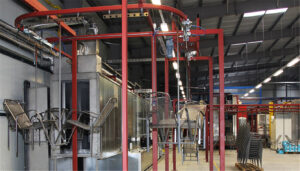
How Does E Coating Aluminum Transform Industrial Parts?
In harsh industrial environments, aluminum parts face relentless challenges—corrosion from moisture and chemicals, uneven wear on complex geometries, and ever-tighter regulations around environmental impact. Traditional
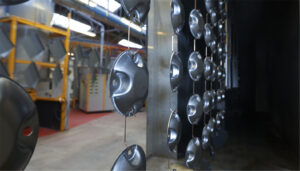
E-Coating Line Solutions for Ultra-Durable Car Parts Protection
In an era where vehicles face increasingly harsh environments—from road salt to extreme temperatures—the demand for long-lasting car parts has never been higher. This is
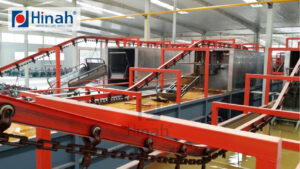
The Critical Role of Electrical Conductivity in Electrocoating Line Performance
Electrical conductivity is a cornerstone parameter in modern electrocoating line operations, directly influencing coating quality, process stability, and production efficiency. In cathodic electrodeposition systems, conductivity
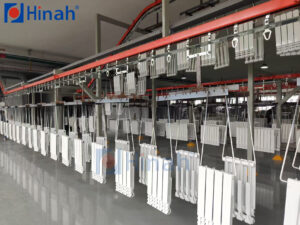
Exploring the Secret of Orange Peel in Electrophoretic Coating
Let’s talk about a problem that keeps coating engineers up at night: orange peel. You know that frustrating moment when a freshly coated surface dries,
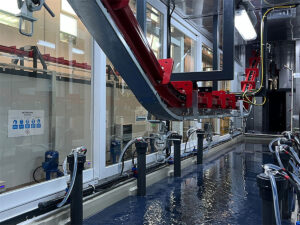
The Hidden Cost Most E-Coating Line Missing – Are You Paying It?
Did you know your e-coating line might be quietly siphoning profits while you’re busy chasing production targets? Most manufacturers obsess over upfront equipment costs or
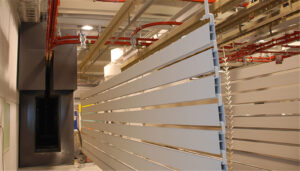
Why Is Rust Still Occurring After Using an E-Coat Line?
Rust problems after e-coat line can be confusing. The metal parts have already gone through cleaning, coating, and curing, but corrosion still appears during testing
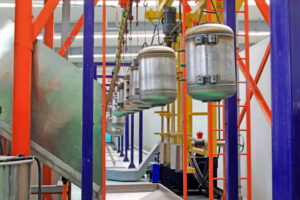
Can electrophoretic coating line reduce corrosion issues in coastal areas?
When a metal product is used near the coast, corrosion often appears much sooner than expected. A component that performs well inland may start showing
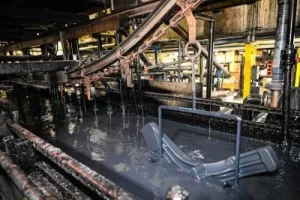
How Much Space and Power Does a Standard Automotive E-Coating Line Require?
Designing an automotive e-coating line is a massive undertaking. For automotive bodies and heavy-duty chassis parts, you cannot afford to guess your facility requirements. Underestimating
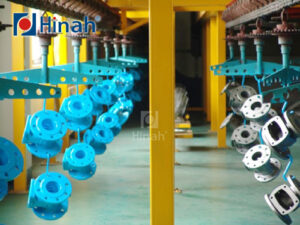
Is Liquid Coating Line Better Than Powder Coating for Outdoor Metal Products?
When choosing a coating solution for outdoor metal products, we often face a difficult decision: should they invest in a liquid coating line or choose
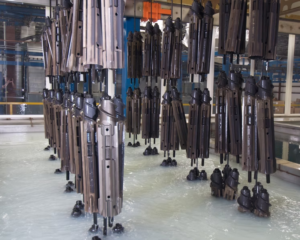
How Often Should E-Coat Tank Be Replaced?
An e-coat tank typically needs replacement every 10 to 20 years. In well-maintained production lines, it may last over 20 years. In harsh operating conditions, replacement
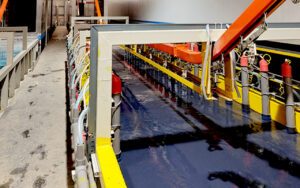
How Long Does an Electrophoretic Coating Process Take?
The complete electrophoretic coating process usually takes 30 to 90 minutes, depending on part size, coating requirements, pretreatment quality, and curing conditions. In most industrial
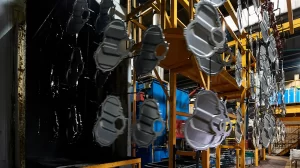
What Types of Metals are Best Suited for Cathodic Electrocoating?
Can you use cathodic electrocoating on any metal? The short answer is yes—as long as the metal conducts electricity. When you submerge a part into
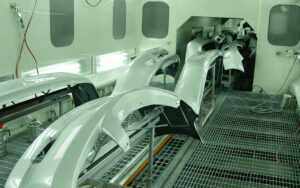
How Much Carbon Can Your Electrophoretic Coating Oven Save?
Industrial manufacturing is entering a new era. Today, a successful electrophoretic coating shop must do more than just produce durable products. It must also protect
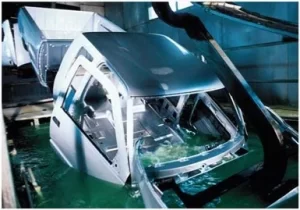
How Much Water Does Your E-Coat Line Waste?
Metal finishing shops use a massive amount of water. In an e-coat line shop, the pre-treatment and electrocoating stages consume more water than any other